MEDINDIA
 English
 हिन्दी
 Español
 français
 中文
中文
UFW fluorescein angiography, detects over three times more microaneurysms than UWF color imaging, suggesting that the two modalities should not be used interchangeably when evaluating and treating this diabetic retinopathy.

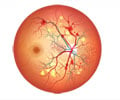
Diabetic Retinopathy - Risk Factors - Symptoms - Treatment - Diagnosis - FAQs
The term ‘diabetic retinopathy’ refers to changes in the retina which often occur in people with diabetes.
The term ‘diabetic retinopathy’ refers to changes in the retina which often occur in people with diabetes.
TOP INSIGHT

In patients with diabetic retinopathy, fluorescein angiography detected 3.5-fold more microaneurysms than color imaging.
“With the growth of artificial intelligence, we need to know if we can automate the way we count these tiny blood vessel changes in order to grade retinopathy better, faster and more precisely predict its progression.”
The study involved 193 patients with diabetic retinopathy—from mild disease to the most advanced stages of the disease. All patients had UWF color imaging and UWF fluorescein angiography done on the same day.
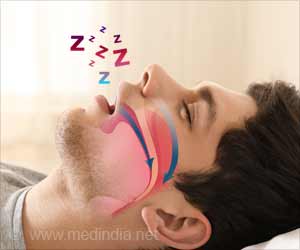
Sleep Apnea Linked to Diabetic Retinopathy
Sleep apnea is linked to damage to the retina of the eye in diabetics. It causes a fall in blood oxygen levels, insulin resistance, macular edema, which damages the retina.
Sleep apnea is linked to damage to the retina of the eye in diabetics. It causes a fall in blood oxygen levels, insulin resistance, macular edema, which damages the retina.
This held true even after researchers adjusted for the patient’s diabetes duration, average blood sugar levels and gender.
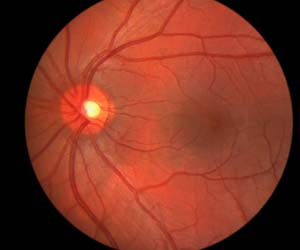
Artificial Intelligence Screening System Detects Diabetic Retinopathy
Research shows an automated, artificial intelligence (AI) screening system accurately detects diabetic retinopathy. Accurate, mechanical screening is an essential development for millions of diabetic patients.
Research shows an automated, artificial intelligence (AI) screening system accurately detects diabetic retinopathy. Accurate, mechanical screening is an essential development for millions of diabetic patients.
However, when applying a correction factor of four to the fluorescein angiography results for each grade of disease severity, the interpretation of the two techniques became more comparable. “This study should help inform artificial intelligence and other imaging studies looking to automate the grading process using ultra-wide field color imaging or fluorescein angiogram, and make them more precise and more comparable,” says Dr. Aiello.

New Treatment for Diabetic Retinopathy Identified
Diabetic eye disease treatment: Newly discovered treatment can treat diabetic retinopathy (DR), which can impair vision and lead to blindness in most patients with diabetes.
Diabetic eye disease treatment: Newly discovered treatment can treat diabetic retinopathy (DR), which can impair vision and lead to blindness in most patients with diabetes.
“The core message for the public is that if you have diabetes, it is essential that you be receiving regular ongoing eye examinations. In certain situations, a fluorescein angiogram is a very important test, and in others, color imaging is essential for grading or diagnosing diabetic retinopathy,” says Dr. Elmasry. “It’s also important for physicians to understand how, when and what test to order, and how each modality can affect patient care.”
Study co-authors are Konstantina Sampani, M.D., Omar Abdelal, M.D., Alan Fleming, Jerry D. Cavallerano O.D., Ph.D., Ahmed Souka, M.D., Ph.D., Samir El-Baha, M.D., Ph.D., Paolo S. Silva, M.D., and Jennifer K. Sun, M.D., M.P.H.The study was supported by the Massachusetts Lions Eye Research Fund and Research to Prevent Blindness.
Source-Newswise
 Email
Email