MEDINDIA
 English
 हिन्दी
 Español
 français
 中文
中文
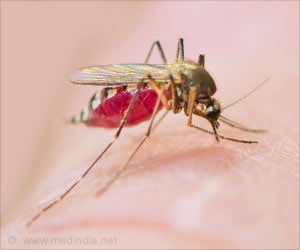
Study shows that tap water access predicts risk of dengue.
Dengue Vaccine - Types, Symptoms, Treatment & Prevention
Several dengue vaccines are under development. Dengvaxia, Sanofi’s live-attenuated tetravalent dengue vaccine is already commercially available in 10 dengue endemic countries.
Several dengue vaccines are under development. Dengvaxia, Sanofi’s live-attenuated tetravalent dengue vaccine is already commercially available in 10 dengue endemic countries.
TOP INSIGHT

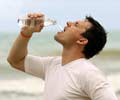
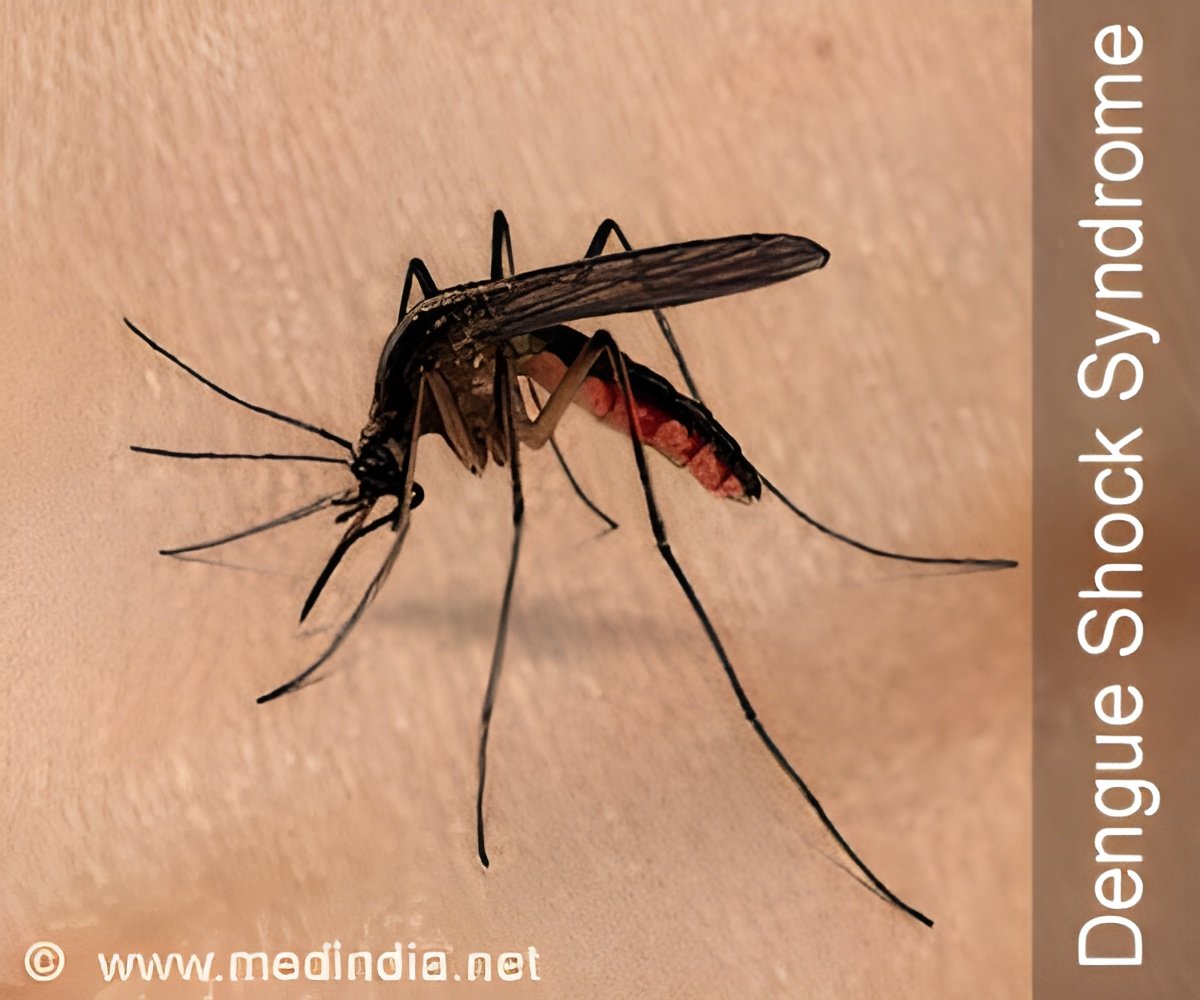
Areas with abysmal access to tap water (61% of houses having access) were found to be at a higher risk of exposure to the virus.
Read More..
Researchers from France conducted surveys across Delhi to analyze social and environmental risk factors for the virus. Dengue antibodies were measured in 2,107 individuals along with mosquito larval prevalence in 18 areas within Delhi and the socio-economic factors across the city.
Findings showed that 7.6% of the participants were tested positive for dengue virus antibodies, indicating recent or current infection. Areas with abysmal access to tap water (less than 61% of houses having access) were found to be at a higher risk of exposure to the virus. These areas were the only ones to register dengue cases between epidemics.

Papaya Leaves’ Juice to Increase Platelets in Dengue
Carica papaya leaves juice or extract increases platelet counts in cases of dengue fever. Papaya leaves protect the bone marrow.
Carica papaya leaves juice or extract increases platelet counts in cases of dengue fever. Papaya leaves protect the bone marrow.
The researchers suggest that improved access to tap water could reduce dengue, not only for those directly affected but also for the general population.
Top 15 Dos and Don�ts for Preventing and Managing Dengue Fever
Dengue can be easily prevented and managed if you follow proper precautionary measures. Here we give you the most important dos and don’ts for dengue fever.
Dengue can be easily prevented and managed if you follow proper precautionary measures. Here we give you the most important dos and don’ts for dengue fever.
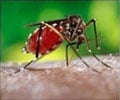
About Mosquito Diseases
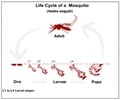
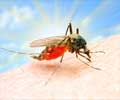
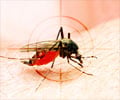
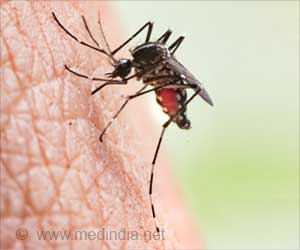
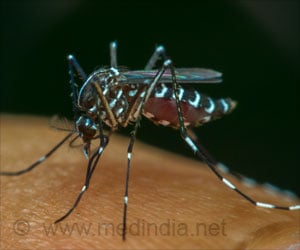
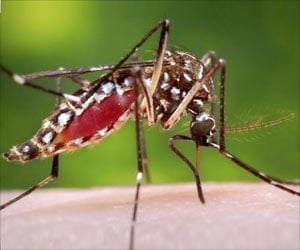
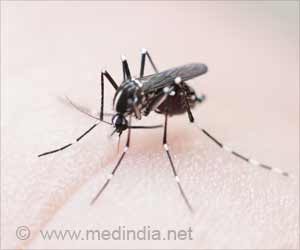
Mosquito-borne diseases, like malaria, filaria, dengue, etc are common in places conducive of mosquito breeding. Swamps, ponds and stagnated drainage provide optimal breeding ground for mosquitoes.
Mosquito-borne diseases, like malaria, filaria, dengue, etc are common in places conducive of mosquito breeding. Swamps, ponds and stagnated drainage provide optimal breeding ground for mosquitoes.
 Email
Email