MEDINDIA
 English
 हिन्दी
 Español
 français
 中文
中文
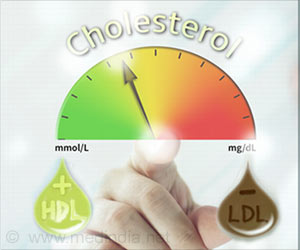
New technology for identifying cholesterol levels that is cheaper, more efficient, and faster than traditional analogues developed.
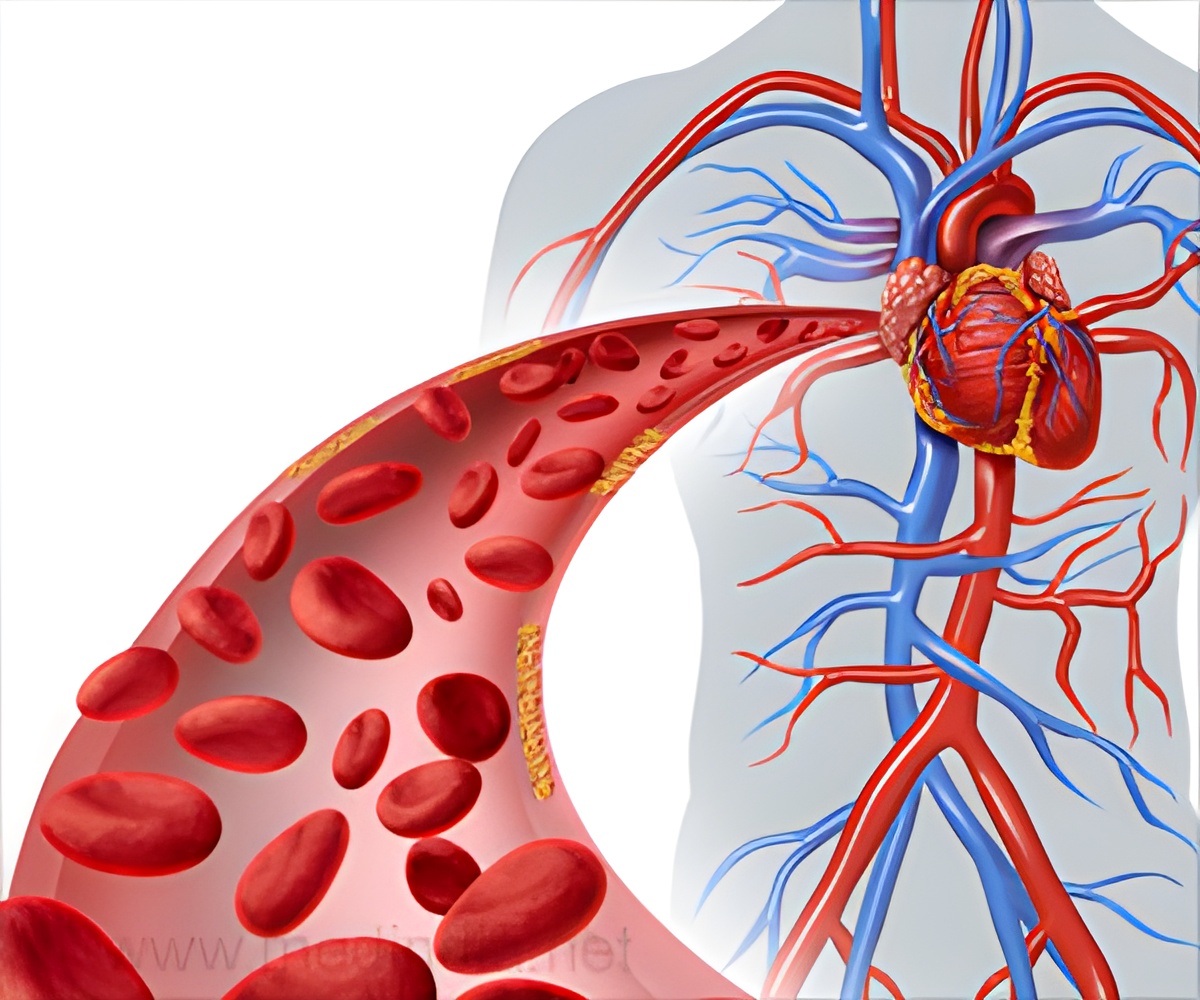
Cholesterol Testing System
The system does not use protein compounds, namely enzymes. Chemists replaced them with an inorganic analogue - copper chloride. This allowed to make the process of creating cholesterol meters cheaper, to make blood testing easier, faster and more accessible. The results of the study are presented in the Journal of Electroanalytical Chemistry. “Cholesterol determination is currently performed using colorimetry, chromatography, and enzymes. However, these methods use either extremely aggressive reagents or complex and expensive equipment, or - as recognizing and sensitive elements that determine cholesterol levels - enzymes - biological molecules that are extracted from living organisms. For example, the enzyme cholesterol oxidase is produced by some species of bacteria. Also enzymes are natural polymers, proteins, therefore, they are prone to denaturation and require certain storage conditions, temperature and acidity regimes. We decided to select a non-biological analogue of this enzyme to make the process of cholesterol analysis cheaper, easier and faster. One of the most affordable options is copper chloride, which we first discovered to be highly sensitive to cholesterol,” explains Andrei Okhokhonin, Associate Professor at the UrFU Department of Analytical Chemistry.
Cholesterol - Lipoproteins - Functions - Normal Blood Cholesterol Levels - Causes - Treatment - FAQs
Cholesterol is produced by the body (liver) and is essential for normal body functioning.
Cholesterol is produced by the body (liver) and is essential for normal body functioning.
TOP INSIGHT

Elevated blood cholesterol is a symptom of a number of diseases, such as atherosclerosis, hereditary diseases, chronic kidney failure, nephroptosis, hypertension, liver disease, pancreatic diseases.
“Molecular imprinted polymers are needed to effectively separate cholesterol from other substances in the blood. After trying several options, we chose ethylene glycol dimethacrylate as the crosslinking agent and vinylpyridine as the functional monomer. The polymer synthesized on the surface of magnetic nanoparticles effectively sorbs cholesterol, so we can talk about high selectivity of analysis, as no other substances interfere,” emphasizes Andrei Okhokhonin.
The microfluidic chip, in which all elements of the system are integrated, is printed on a 3D printer, which also facilitates the production process of the device, making it faster. Scientists note that the first test they conducted not on biological samples, but on model solutions that mimic blood serum. The next stage of the researchers' work is to test the system on real blood samples.
Cholesterol - The Enigma Chemical - Myths - Diet - Functions
The word 'Cholesterol' rings danger bells as soon as it is mentioned. This important chemical is important for the normal metabolism of the body and is dangerous only if present in excess.
The word 'Cholesterol' rings danger bells as soon as it is mentioned. This important chemical is important for the normal metabolism of the body and is dangerous only if present in excess.
Total cholesterol contained in the body within normal limits is an important substance, without which the proper functioning of the body is impossible. In a certain amount, it can be found in all body fluids and tissues. Cholesterol is an obligatory component of cell membranes, it is responsible for the ordering, compactness and stability of the lipid biolayer. In addition, it is involved in regulating the permeability of cell walls, determining which molecules can penetrate the cell and which cannot.

Cholesterol in Animal Foods
Animal based food contains a high level of cholesterol that is one of the major risk factors causing the heart diseases. Use the cholesterol level calculator to find out the cholesterol and fat content in different animal based products.
Animal based food contains a high level of cholesterol that is one of the major risk factors causing the heart diseases. Use the cholesterol level calculator to find out the cholesterol and fat content in different animal based products.
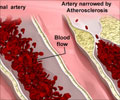
Atherosclerosis - Causes, Symptoms, Prevention & Treatment
Atherosclerosis is a condition in which the arteries become hard and narrow, leading to restricted blood flow.
Atherosclerosis is a condition in which the arteries become hard and narrow, leading to restricted blood flow.
 Email
Email