MEDINDIA
 English
 हिन्दी
 Español
 français
 中文
中文
BOSTON – Updated guidelines from the American Academy of Pediatrics (AAP) offer new information on diagnosing and treating Attention-Deficit/Hyperactivity Disorder (ADHD) in younger


Quiz on ADHD
Attention Deficit/Hyperactivity Disorder (AD/HD, generally abbreviated as ADHD) is considered a “neurobehavioral developmental disorder”. To know what this definition means and what the causes, symptoms and treatment for ADD are; give our ADHD quiz your best shot.
Attention Deficit/Hyperactivity Disorder (AD/HD, generally abbreviated as ADHD) is considered a “neurobehavioral developmental disorder”. To know what this definition means and what the causes, symptoms and treatment for ADD are; give our ADHD quiz your best shot.
ADHD is the most common neurobehavioral disorder in children, occurring in about 8 percent of children and youth.
The report, "ADHD: Clinical Practice Guidelines for the Diagnosis, Evaluation and Treatment of Children and Adolescents with Attention-Deficit/Hyperactivity Disorder," will be released Sunday, October 16, at the AAP National Conference & Exhibition in Boston, and will be published in the November 2011 issue of Pediatrics (published online Oct. 16). Dr. Wolraich will discuss the new recommendations during an embargoed news briefing for reporters at 9 a.m. ET Saturday, Oct. 15, at the Boston Convention & Exhibition Center.

Attention Deficit Hyperactivity Disorder-Causes-Symptoms-Diagnosis-Treatment-FAQ
Attention Deficit Hyperactivity Disorder (ADHD) is a neurobiological disorder that affects normal behavior and impairs the ability to concentrate.
Attention Deficit Hyperactivity Disorder (ADHD) is a neurobiological disorder that affects normal behavior and impairs the ability to concentrate.
"Because ADHD is a chronic condition, it requires a team approach, including the patients, their parents, the pediatrician, therapists, and teachers," Dr. Wolraich said.

Kids With ADHD Learning Disability - Handling With Care
Children with ADHD develop learning disability which can be treated with the intervention of medical practitioners and Occupational therapists
Children with ADHD develop learning disability which can be treated with the intervention of medical practitioners and Occupational therapists
Source-Eurekalert
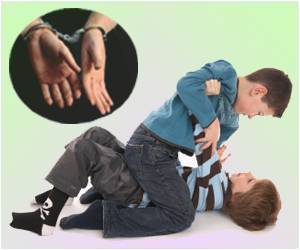
ADHD Not Linked to Adult Delinquency But Conduct Disorder Is
Is criminal inclination later in life somewhere associated with childhood history of severe mental disorders?
Is criminal inclination later in life somewhere associated with childhood history of severe mental disorders?
 Email
Email