MEDINDIA
 English
 हिन्दी
 Español
 français
 中文
中文
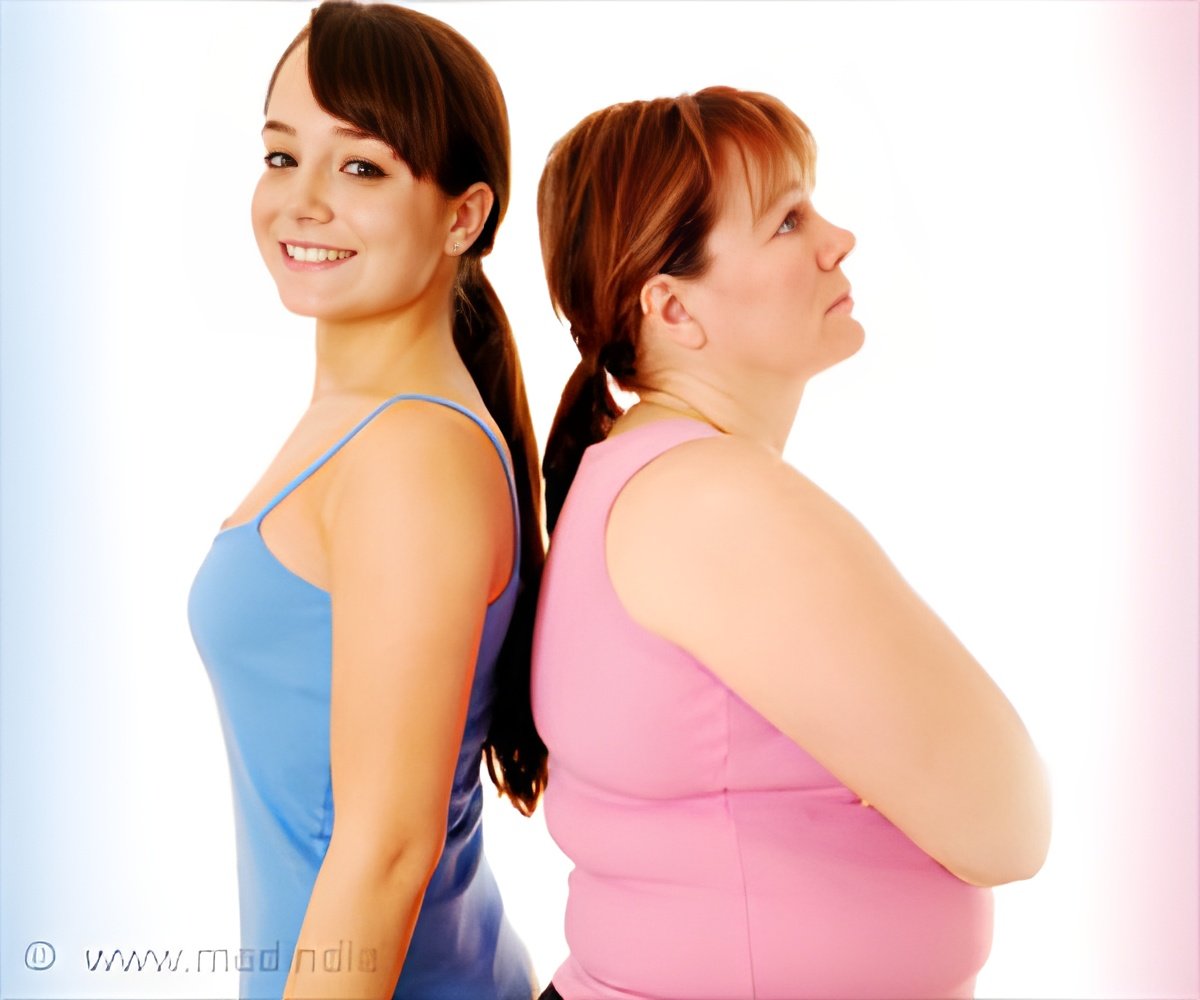
Women who carry fat in their hips - those with a 'pear-shaped' body type - are significantly less likely to develop diabetes than those with smaller hips.

Key Factor in Fat Storage and Energy Metabolism Discovered
Researchers have discovered a cell cycle transcriptional co-regulator – TRIP-Br2 that plays an important role in energy metabolism and fat storage.
Researchers have discovered a cell cycle transcriptional co-regulator – TRIP-Br2 that plays an important role in energy metabolism and fat storage.
These findings have important implications as researchers move toward more personalized approaches to disease detection and treatment, Small said, noting that if they can identify the genes and protein products involved in diabetes risk, even for a subset of people, we may be able to develop effective treatment and prevention approaches tailored to people in that group.
The researchers have found that women have higher baseline levels of the KLF14 mRNA transcript, a precursor to the KLF14 protein, than men. This suggests the possibility of a threshold effect, in which men rarely or never attain the levels necessary to cause an increased risk of diabetes. Another hypothesis is that a different, sex-specific protein may interact with the KLF14 protein, enhancing or diminishing its effect in men or women.
Researchers Discover Mechanism Behind Fat Cells Losing Storage Ability
A mechanism that causes fat cells to lose their ability to efficiently store and use energy has been discovered by Yale University researchers.
A mechanism that causes fat cells to lose their ability to efficiently store and use energy has been discovered by Yale University researchers.

'Spare Tyre' of Fat Around Waist Created By Menopause
Researchers have found that hitting menopause causes women to lose their natural supply of the female hormone oestrogen, resulting a shift of fat storage from the hips to the waist.
Researchers have found that hitting menopause causes women to lose their natural supply of the female hormone oestrogen, resulting a shift of fat storage from the hips to the waist.

The Food Fat Debate: It Is A Friend in Finland, But an Enemy in India
Growing numbers of people in Finland are embracing full-fat products. While, India is desperately trying to wean consumers off the dishes drenched in ghee.
Growing numbers of people in Finland are embracing full-fat products. While, India is desperately trying to wean consumers off the dishes drenched in ghee.
 Email
Email