MEDINDIA
 English
 हिन्दी
 Español
 français
 中文
中文
Seeing a cardiologist yearly—especially for high-risk patients—can greatly improve health outcomes.
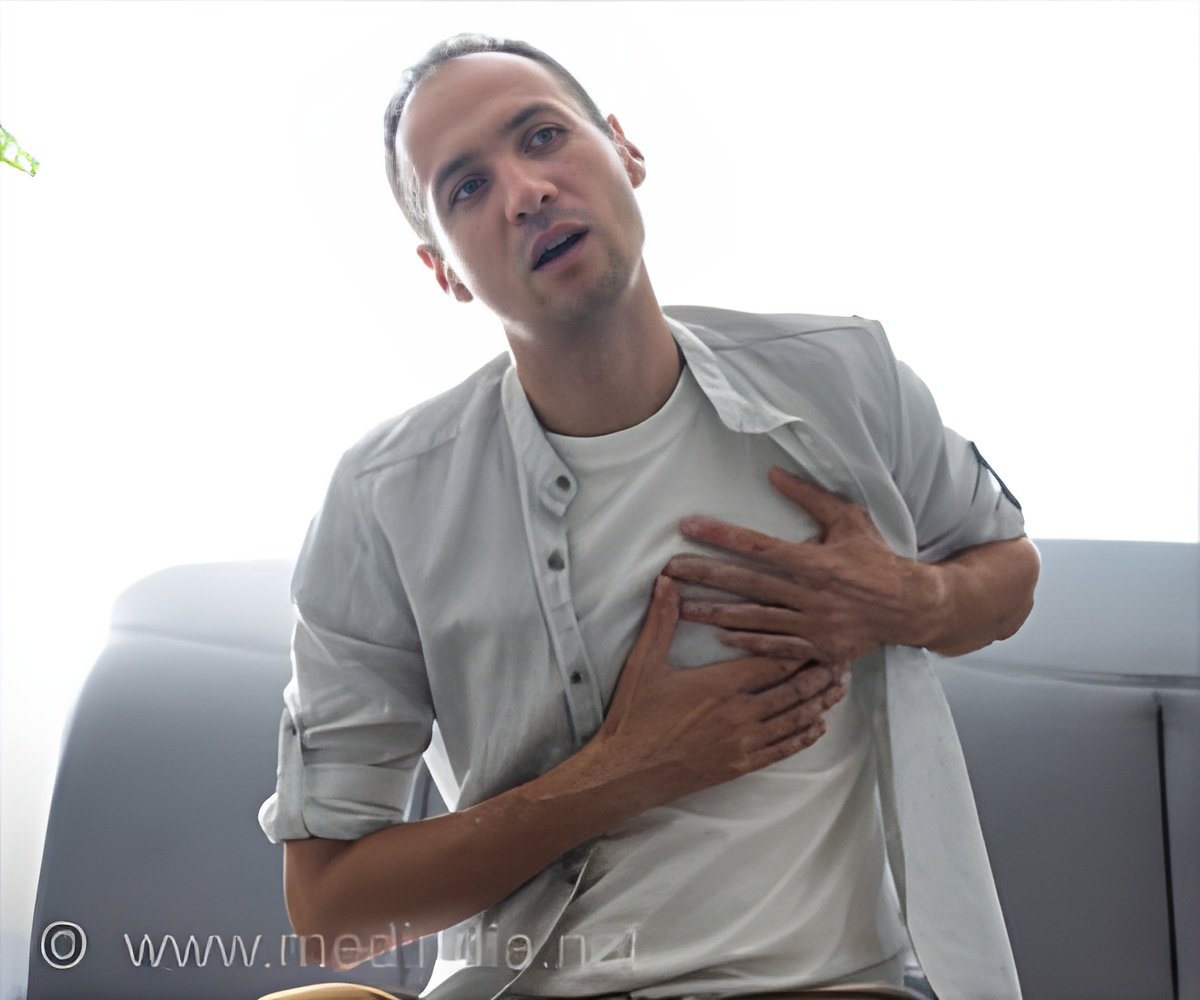
Heart failure diagnosis
Go to source). Conducted by researchers at the Clinical Investigation Centre of Nancy University Hospital in France, the large-scale study examined the healthcare records of 655,919 French patients diagnosed with heart failure within the past five years as of January 2020. Using national administrative data, the research analyzed patient outcomes based on cardiology visits, hospitalizations, and medication usage, particularly diuretics.
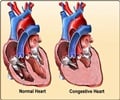
Congestive Heart Failure
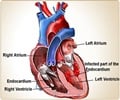
Congestive heart failure (CHF) is a condition in which the heart fails to work adequately as a pump that can deliver oxygen rich blood to the body.
Congestive heart failure (CHF) is a condition in which the heart fails to work adequately as a pump that can deliver oxygen rich blood to the body.
TOP INSIGHT

Could a simple annual visit to a #cardiologist hold the key to saving lives for #heartfailure patients? New research suggests 1 life saved for every 11-16 patients seen.
What is Heart Failure?
Heart failure is a chronic medical condition in which the heart is unable to pump blood effectively enough to meet the body’s needs for oxygen and nutrients. It doesn’t mean the heart has stopped working entirely, but rather that its function is weakened or impaired.This can result from various underlying issues, such as coronary artery disease, high blood pressure, or previous heart attacks.
As a result, patients may experience symptoms like fatigue, shortness of breath, swelling in the legs or abdomen, and difficulty performing everyday activities. While heart failure is a serious condition, it can often be managed with medications, lifestyle changes, and ongoing medical care.
The results are striking: patients who visited a cardiologist at least once annually were 24% less likely to die in the following year compared to those who did not. Furthermore, the study found that cardiology care also significantly reduced the likelihood of heart failure-related hospitalizations.

Cardiogenic Shock
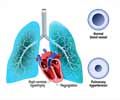
Cardiogenic shock is defined as reduced cardiac output due to inability of the heart to pump adequate blood in the presence of a normal blood volume.
Cardiogenic shock is defined as reduced cardiac output due to inability of the heart to pump adequate blood in the presence of a normal blood volume.
Cardiologist Visits Could Save Thousands of Lives
The research underscores the lifesaving potential of specialist care. For patients recently hospitalized due to heart failure, four annual cardiologist visits proved to be the most effective in reducing future risks. Specifically, the risk of death or readmission dropped from 34.3% to 18.2% in this group.“This study offers strong evidence that seeing a cardiologist annually — and more frequently for high-risk individuals — can dramatically improve patient outcomes,” said Dr. Guillaume Baudry, the study's lead author.
“Heart failure is a chronic condition where the heart struggles to pump blood effectively. While it can’t typically be cured, consistent monitoring and targeted treatment can control symptoms and extend life,” he explained.
Test Your Knowledge on Heart
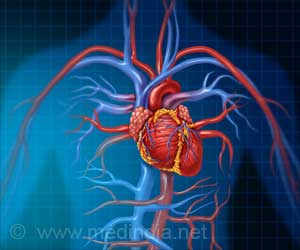
Introduction: The heart is a fist-sized organ that pumps blood throughout the body. It is the primary organ of the human circulatory system that helps in circulation of blood throughout the body. The heart is a muscular organ powered by ...
Introduction: The heart is a fist-sized organ that pumps blood throughout the body. It is the primary organ of the human circulatory system that helps in circulation of blood throughout the body. The heart is a muscular organ powered by ...
High-Risk Patients Need Closer Monitoring
Researchers categorized patients based on their clinical profile, including hospitalization history and use of diuretics — medications that reduce fluid buildup by eliminating sodium through urine. These indicators help identify patients at higher risk who would benefit from more frequent cardiology oversight.Despite these insights, the study found that two out of five heart failure patients never saw a cardiologist over the course of a year. This care gap could have life-or-death consequences.

Implications for Heart Failure Management
“Although this is observational research and can’t prove direct causation, our findings highlight the crucial role of ongoing specialist follow-up,” Dr. Baudry said. “Even patients who seem clinically stable should be encouraged to get routine check-ups. If they’ve been recently hospitalized or are on diuretics, that’s an even stronger reason to ask for a cardiology referral.”The study calls for healthcare systems to prioritize access to specialist care for heart failure patients and for individuals and families to advocate for consistent follow-up with a cardiologist.
Reference:
- Heart failure diagnosis - (https://www.mayoclinic.org/diseases-conditions/heart-failure/diagnosis-treatment/drc-20373148)
Source-Medindia
 Email
Email