
Parkinson’s Disease - Causes, Symptoms, Diagnosis, Treatment
Parkinson’s disease is a neurodegenerative disease caused by progressive dopamine brain cells loss. Symptoms of Parkinson’s disease are correctable to an extent.
Parkinson’s disease is a neurodegenerative disease caused by progressive dopamine brain cells loss. Symptoms of Parkinson’s disease are correctable to an extent.
‘The wearable belt lined with vibrating actuators creates a personalized, in-home rehabilitation program with "touch guidance" based on a patient's individual range of motion.’
Tweet it Now
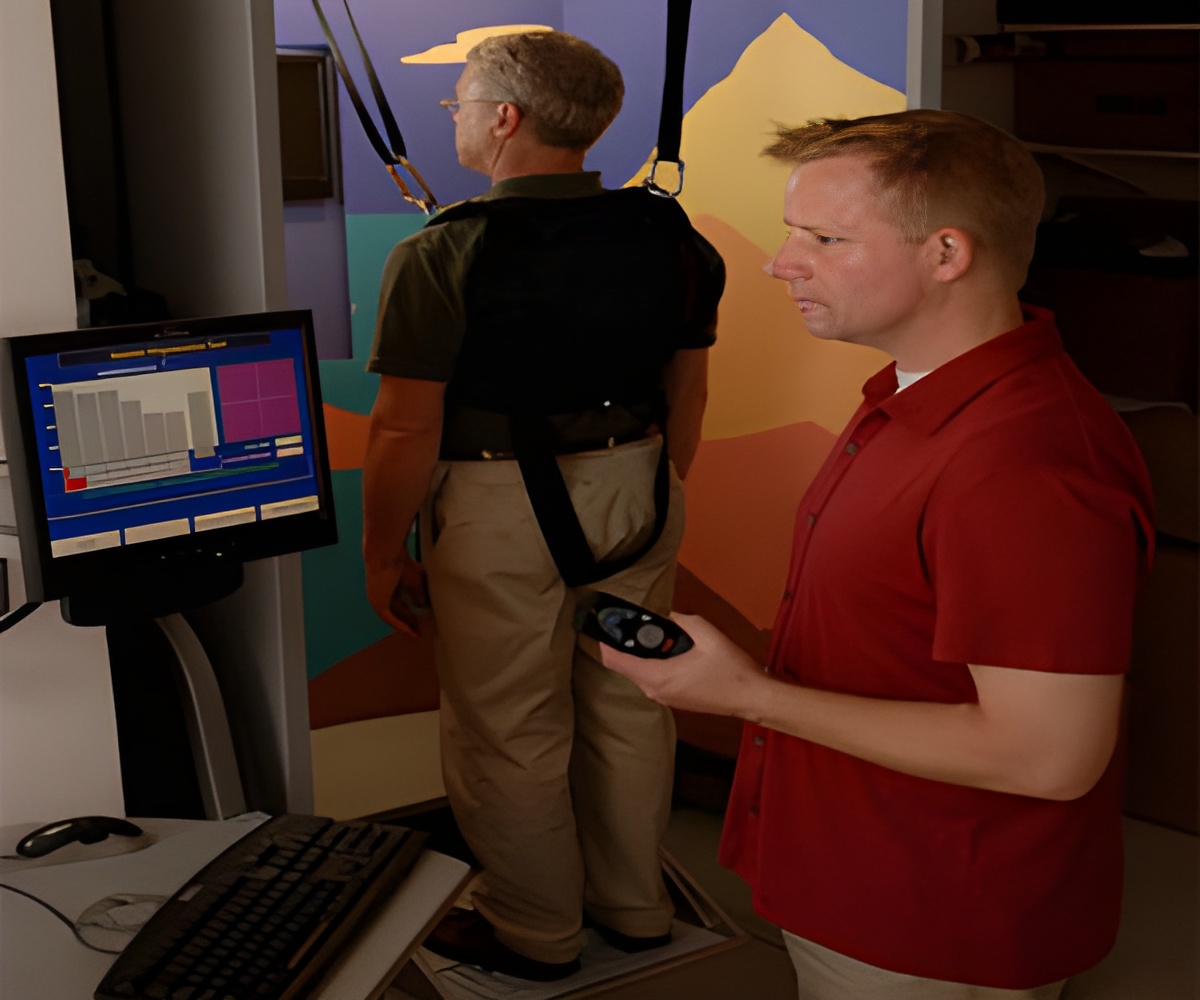
"Our overarching goal is to improve their quality of life by improving postural stability, reducing the number of falls and increasing their confidence in daily activities," said Beom-Chan Lee, assistant professor and principle investigator of the study, which is assessing the impacts of long-term rehabilitative training on patients using the SBS system developed by Lee's team. The custom, wearable belt lined with vibrating actuators creates a personalized, in-home rehabilitation program with "touch guidance" based on a patient's individual range of motion. Each subtle movement is mapped in real-time for "visual guidance" using a series of dots and targets on the smartphone application.
"The smartphone application records and creates a custom motion for their body tilt based on their individual limits of stability. The touch guidance from the vibrating actuators is almost acting as if a physical therapist is guiding them," said Alberto Fung, a UH graduate student and part of Lee's Sensori-Motor Augmentation & Rehabilitation Technology (SMART) Research Group.

Nutritional Management of Parkinson's Disease
Parkinson's disease is a brain disorder which leads to many other related effects. Nutrition plays an important role in management of the disease.
Parkinson's disease is a brain disorder which leads to many other related effects. Nutrition plays an important role in management of the disease.
Studies have shown that about 60 percent of people with Parkinson's disease fall annually, and two-thirds of those people experience recurrent falls.
Advertisement
Lab Grown �Mini-Human Brains� To Help Treat Parkinson�s Disease
Scientists grow rice grain-sized brains to aid Parkinson’s research
Scientists grow rice grain-sized brains to aid Parkinson’s research
"It's important to develop a system that is easy to use and readily available in the home environment," said Lee.
Advertisement

Ten Reasons of Unexplained Weight Loss that need to be Taken Seriously
Unexplained weight loss is often a consequence of physiological, psychological disorders. Learn more about the top 10 reasons that could be linked to unexpected weight loss.
Unexplained weight loss is often a consequence of physiological, psychological disorders. Learn more about the top 10 reasons that could be linked to unexpected weight loss.
All of the information collected by the system is uploaded to an online server and potentially can be accessed by doctors and physical therapists to track a patient's progress or adjust the exercise regimen.
"Our system is centered around the user. It minimizes manual interactions and is mostly automated," said Fung. "The patients who have tested the system say it's very easy to use and that's very rewarding."
This technology could be used by anyone experiencing balance issues, including the elderly. The current average life expectancy in the United States is 79 years. Lee calls it a "major motivation" to be able to help the aging population too.
Technical improvements are currently being made to the system followed by more human subject testing. Parkinson's patients who tested the belt during a 6-week home-based study showed "noticeable improvements," according to Lee.
Source-Eurekalert