MEDINDIA
 English
 हिन्दी
 Español
 français
 中文
中文
Having adequate levels of vitamin D and estradiol can reduce the risk of heart disease, diabetes, and stroke in postmenopausal women, reveals a new study.


Sunlight: An Important Source of Vitamin D
Vitamin D is an essential vitamin necessary for the development of bones. Sunlight helps the body to produce vitamin D. Vitamin D deficiency results in rickets in children and osteomalacia in adults.
Vitamin D is an essential vitamin necessary for the development of bones. Sunlight helps the body to produce vitamin D. Vitamin D deficiency results in rickets in children and osteomalacia in adults.
TOP INSIGHT

Postmenopausal women who have adequate levels of vitamin D and estradiol can keep heart disease, diabetes, and stroke risk at bay.
Read More..
Similarly, vitamin D has been associated with several markers of metabolic syndrome, including obesity, hyperglycemia, insulin resistance, and type 2 diabetes mellitus. Supplementation with vitamin D has been shown to reduce the risk of metabolic syndrome over a 20-year follow-up.
Because the synergistic benefits of vitamin D and estrogen are already documented to improve bone health in women, researchers in this newest study from China hypothesized that the same interaction might affect metabolic syndrome. The cross-sectional study included 616 postmenopausal women aged 49 to 86 years who were not taking estrogen and vitamin D/calcium supplements at the beginning of the trial. It concluded there was a positive correlation between vitamin D and estradiol.
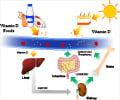
Vitamin D Deficiency - Causes, Symptoms, Diagnosis, Treatment
Vitamin D the sunshine vitamin is essential for strong bones. Vitamin D deficiency is reportedly increasing worldwide and cause bone pain and muscle weakness.
Vitamin D the sunshine vitamin is essential for strong bones. Vitamin D deficiency is reportedly increasing worldwide and cause bone pain and muscle weakness.
Findings are published in the article "The synergistic effects of vitamin D and estradiol deficiency on metabolic syndrome in Chinese postmenopausal women."
Link between Statins and Vitamin D
Statins, the cholesterol-lowering medications, and vitamin D appear to complement each other’s effects.
Statins, the cholesterol-lowering medications, and vitamin D appear to complement each other’s effects.
"The Endocrine Society recommends vitamin D levels of 30 ng/mL for postmenopausal women. Whether adequate levels of vitamin D improve nonskeletal cardiovascular or cognitive benefits remains the subject of debate, and answers await randomized clinical trial data."
Estrogen May Fight against Depression after Heart Attack
People with heart failure or heart attacks are more likely to suffer from depression. Estrogen may help fight depression after a heart attack or heart failure.
People with heart failure or heart attacks are more likely to suffer from depression. Estrogen may help fight depression after a heart attack or heart failure.
 Email
Email