MEDINDIA
 English
 हिन्दी
 Español
 français
 中文
中文
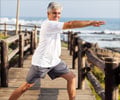
Vigorous physical exercise is associated with noncompaction cardiomyopathy of the heart, causing it to acquire a spongy appearance, reports a new study.


Exercise - Benefits - Planning - Workout-Schedule - Tips to Lose Weight
It is important for us to understand the power of daily exercise. Only then can we motivate ourselves to inculcate the habit of exercise on a daily basis.
It is important for us to understand the power of daily exercise. Only then can we motivate ourselves to inculcate the habit of exercise on a daily basis.
TOP INSIGHT

Vigorous physical exercise is tied to "noncompaction" of the heart, causing it to acquire a spongy appearance.
"It is essential to distinguish this benign adaptation to exercise from noncompaction cardiomyopathy, a condition with a genetic component that can have severe outcomes, including thromboembolism, arrhythmias, heart failure, and sudden cardiac death," stated Dr. Borja Ibáñez.
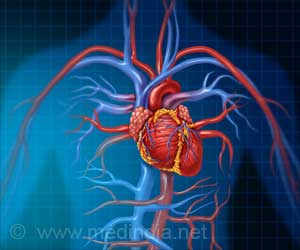
"The walls of the heart in noncompaction cardiomyopathy become thinner, and the usually compact cardiac muscle is replaced by the spongy form, in direct contact with the interior of the ventricles," added Dr. Ibañez.

Exercise and Fitness - Benefits - Classification - Options - Kick Off
Exercise is about revamping your lifestyle, not just weight loss. Exercise to get healthy – that way, you’ll last longer at it and get better results.
Exercise is about revamping your lifestyle, not just weight loss. Exercise to get healthy – that way, you’ll last longer at it and get better results.
Study authorJosé de la Chica explained that "it is crucial to distinguish between the disease and the benign physiological adaptation, both to allow relevant medical intervention to prevent disease progression and to prevent recommending healthy young people to avoid participation in sporting activities needlessly."

Pre and Post Exercise Nutrition
Exercise is a need to eat better and perform better. Nourishing the body with wholesome food will make it grow stronger and fitter. Here’s a complete guide to pre and post-exercise nutrition.
Exercise is a need to eat better and perform better. Nourishing the body with wholesome food will make it grow stronger and fitter. Here’s a complete guide to pre and post-exercise nutrition.
Physical activity was measured objectively using accelerometers, which can allow the researchers to classify a person's physical activity as sedentary, moderate, or vigorous exercise and to register the time spent in each type of activity during the week.

Energy Boosters Before a Workout | Fueling Before a Workout
Eating foods that boost your energy before a workout helps in delaying fatigue. It allows you to push harder for better performance.
Eating foods that boost your energy before a workout helps in delaying fatigue. It allows you to push harder for better performance.
A more unexpected finding was that a third of study participants with a high level of vigorous exercise (both men and women) met the diagnostic criteria for noncompaction cardiomyopathy, even though they were clearly healthy.
The authors finally conclude that cardiac magnetic resonance measures for diagnosing noncompaction cardiomyopathy should not be deciphered in isolation. Rather, imaging results should be placed in the context of other parameters, genetic tests, and the level of exercise. This is crucial even in a population of non-athletes to avoid misdiagnosis of the disease. Misdiagnosis could result in the unnecessary cessation of exercise, with all its associated negative physical and psychological consequences.
Source-Medindia
 Email
Email