MEDINDIA
 English
 हिन्दी
 Español
 français
 中文
中文
People who have followed a vegetarian diet for generations were found to be far more likely to carry DNA, which makes them susceptible to inflammation.
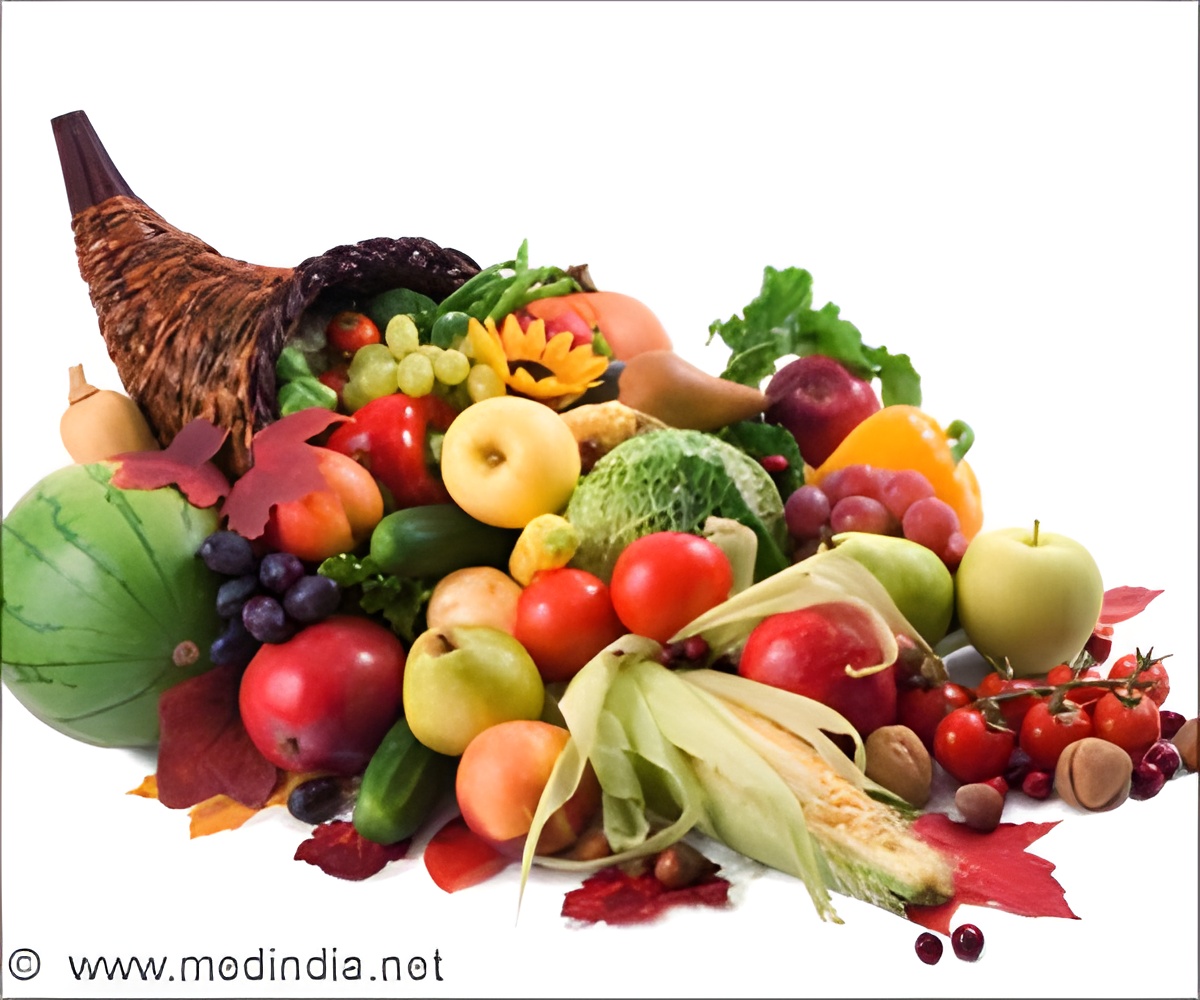

Vegetarian Diet Cuts Death Risk
Vegetarian diets are associated with a reduced risk of death, says report published in JAMA Internal Medicine.
Vegetarian diets are associated with a reduced risk of death, says report published in JAMA Internal Medicine.
TOP INSIGHT

A genetic mutation occurs in long-term vegetarians to absorb essential fatty acids. This boosts the production of arachidonic acid that raises the risk of cancer and inflammatory diseases.
Among the long chain fats, arachidonic acid is a key target of the pharmaceutical industry because it is a central culprit for those at risk of heart disease, colon cancer and many other inflammation-related conditions.
The mutation was found mainly in populations eating vegetarian diets and do not have foods that are rich in polyunsaturated fats such as fatty fish. However, the deletion of the same sequence might have been adaptive in populations which are based on marine diets, such as the Greenlandic Inuit.
Vegetarian Diet, Exercise May Help Reduce Diabetes Risk Among Blacks
A new study has suggested that a vegetarian diet combined with physical activity could help reduce risk of diabetes in the black population.
A new study has suggested that a vegetarian diet combined with physical activity could help reduce risk of diabetes in the black population.
Dr. Tom Brenna, and Dr. Kumar Kothapalli, said, “With little animal food in the diet, the long chain polyunsaturated fatty acids must be made metabolically from plant PUFA precursors. The physiological demand for arachidonic acid, as well as omega-3 EPA and DHA, in vegetarians, is likely to have favored genetics that supports the efficient synthesis of these key metabolites.”

Blood Pressure can be Lowered by Eating Vegetarian Diets
Eating a vegetarian diet is associated with lower blood pressure (BP), and the same diet can also be used to lower the blood pressure, reveals a new study.
Eating a vegetarian diet is associated with lower blood pressure (BP), and the same diet can also be used to lower the blood pressure, reveals a new study.
Dr. Alon Keinan, said, “Several previous studies pointed to recent adaption in this region of the genome. Our analysis points to both previous studies and our results being driven by the same insertion of a small additional piece of DNA, an insertion which has a known function.”
Vegetarian Diet Cuts Heart Disease Risk
A vegetarian diet can reduce the risk of hospitalization or death from heart disease by as much as 32 percent, finds new study.
A vegetarian diet can reduce the risk of hospitalization or death from heart disease by as much as 32 percent, finds new study.
The study was published in the journal Molecular Biology and Evolution.
Source-Medindia
 Email
Email