MEDINDIA
 English
 हिन्दी
 Español
 français
 中文
中文
On his fourth day of interacting with the arm T2 performed the session in this study, whereas the prior three sessions were focused on system development.
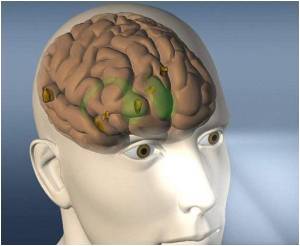
How to Deal with a Stroke - Signs - Symptoms - Risk Factors - Prevention
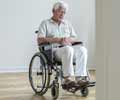
Stroke is a brain attack, which occurs when the blood supply to the brain is interrupted. It affects all age groups; according to the WHO, 15 million people are affected by stroke annually.
Stroke is a brain attack, which occurs when the blood supply to the brain is interrupted. It affects all age groups; according to the WHO, 15 million people are affected by stroke annually.
Over the past two years, VA has been conducting an optimization study of the DEKA prosthetic arm at several sites, with the cooperation of Veterans and active duty service members who have lost an arm. Feedback from the study is helping DEKA engineers to refine the artificial arm's design and function. "Brain-computer interfaces, such as BrainGate, have the potential to provide an unprecedented level of functional control over prosthetic arms of the future," said Joel Kupersmith, MD, VA Chief Research and Development Officer. "This innovation is an example of federal collaboration at its finest."
Story Landis, director of the National Institute of Neurological Disorders and Stroke, which funded the work in part, noted: "This technology was made possible by decades of investment and research into how the brain controls movement. It's been thrilling to see the technology evolve from studies of basic neurophysiology and move into clinical trials, where it is showing significant promise for people with brain injuries and disorders."
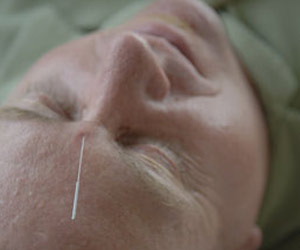
Acupuncture and Acupressure Treatment - All About Needles and Needless Pain
Dr. P.B. Lohiya suggests treatment and cure for long term illnesses through acupuncture and acupressure therapy.
Dr. P.B. Lohiya suggests treatment and cure for long term illnesses through acupuncture and acupressure therapy.

Patients With Facial Paralysis may be Helped by Artificial Muscle
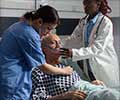
Surgeons from UC Davis Medical Centre have used artificial muscles to restore the ability of patients with facial paralysis to blink, in what is a major advance in this field.
Surgeons from UC Davis Medical Centre have used artificial muscles to restore the ability of patients with facial paralysis to blink, in what is a major advance in this field.
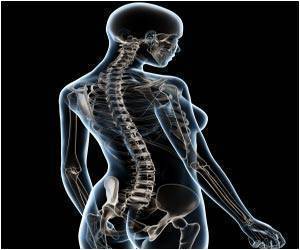
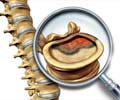
Paralysis Can Be Averted by Monitoring the Spinal Cord During Surgery: Guideline
Proposal to supervise the spinal cord during spinal surgery and certain chest surgeries to help avoid paralysis or loss of muscle function, related to the surgeries.
Proposal to supervise the spinal cord during spinal surgery and certain chest surgeries to help avoid paralysis or loss of muscle function, related to the surgeries.
 Email
Email