MEDINDIA
 English
 हिन्दी
 Español
 français
 中文
中文
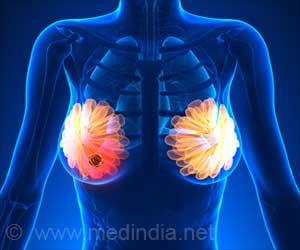
Breast cancer care in US territories lags behind care in states. Older women residing in the U.S territories are less likely to receive recommended or timely care for breast cancer compared with similar women residing in the continental United States.


Breast Cancer - Causes, Risks, Symptoms, Diagnosis, Staging, Treatment, Prevention & Prognosis
Breast cancer is a cancer that affects the breasts or mammary glands. Early detection and lifestyle changes help in controlling breast cancer.
Breast cancer is a cancer that affects the breasts or mammary glands. Early detection and lifestyle changes help in controlling breast cancer.
TOP INSIGHT

According to this research, women who live in the territories of the United States are less likely to receive recommended or timely care for breast cancer compared with similar women residing in the continental United States.
In the period preceding surgery, women in the territories had 24 percent lower odds of receiving diagnostic needle biopsy. Following breast conserving surgery, they were less likely to receive radiation therapy, noted the researchers.
These women also experienced significant delays in receiving timely care. For example, one month after diagnosis, 42 percent of women in the U.S. territories had breast surgery, compared to 63 percent of women in the continental United States. For women in the territories who received breast-conserving surgery, 41 percent also received radiation therapy, compared to 77 percent of those in the continental United States.

Breast Cancer - Prevention and Management with Lifestyle Changes
Lifestyle choices may or may not cause breast cancer but healthy lifestyle changes can open up avenues beyond breast cancer. Good habits will allow one to fight breast cancer and to live with dignity.
Lifestyle choices may or may not cause breast cancer but healthy lifestyle changes can open up avenues beyond breast cancer. Good habits will allow one to fight breast cancer and to live with dignity.
The U.S. territories are home to nearly 5 million people; the majority identify as racial or ethnic minorities. By law, residents of the territories are U.S. citizens (except for those living on American Samoa). However, federal funding for Medicare in the territories is substantially lower than in the continental United States, limiting resources for healthcare services, including breast cancer care, said the researchers.

Breast Cancer during Pregnancy - Staging, Signs, Diagnosis and Treatment
Management of breast cancer during pregnancy or pregnancy associated breast cancer requires special consideration to avoid harm to the fetus.
Management of breast cancer during pregnancy or pregnancy associated breast cancer requires special consideration to avoid harm to the fetus.
Source-Eurekalert

Screening for Breast Cancer with Clinical Breast Examination
Clinical breast examination is a simple and inexpensive method of detecting breast cancer especially in women who do not have access to mammography.
Clinical breast examination is a simple and inexpensive method of detecting breast cancer especially in women who do not have access to mammography.
 Email
Email