MEDINDIA
 English
 हिन्दी
 Español
 français
 中文
中文
ELF4 is a key regulator in immune function, tissue regeneration, and cancer progression, showing potential for targeted therapies and cancer prognosis.
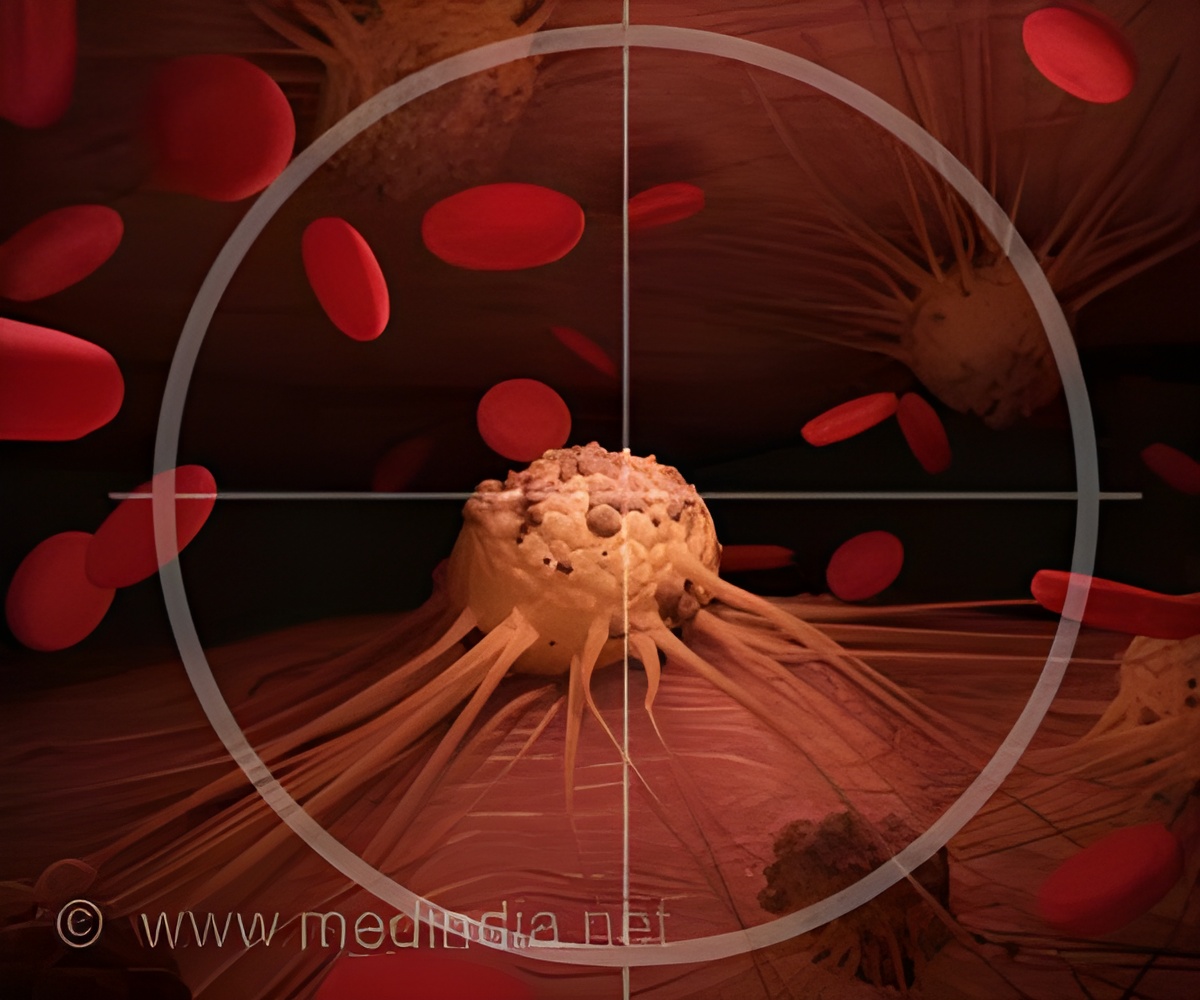
Transcription factor ELF4 in physiology and diseases: Molecular roles and clinical
Go to source). This protein helps control cell differentiation, immune system function, and cancer progression. This newly published review highlights its molecular complexity and clinical significance.

Lifetime Risk Calculator for Cancers
What are your chances for developing some common cancers in your lifetime - find out now.
What are your chances for developing some common cancers in your lifetime - find out now.
TOP INSIGHT

ELF4: A key protein in immunity and cancer, with potential in #tumor suppression and targeted therapies. #cancer #ELF4 #medindia
ELF4 Role in Immune Function and Tissue Regeneration
ELF4 is highly expressed in various tissues, including hematopoietic cells, the placenta, and the gastrointestinal tract. Its function is regulated by post-translational modifications and intricate signaling pathways to control the physiological processes. ELF4 plays an important role in osteogenic, adipogenic, and neuronal differentiation for tissue development and regeneration.In the immune system, ELF4 is a crucial transcriptional regulator. It provides immune responses by activating cytokines such as IL-2 and GM-CSF, enhancing T-cell function and innate immunity. However, ELF4 dysregulation can lead to immune-related disorders, including autoimmune diseases and inflammatory conditions. Its function in immune cell differentiation and tumor microenvironment interactions makes it a promising target for immunotherapy strategies.
ELF4 in Cancer
In oncology, ELF4 displays a context-dependent role. It can act as a tumor suppressor by promoting DNA damage repair and regulating cell cycle checkpoints, thereby preventing uncontrolled proliferation. However, in certain malignancies, such as
Waste Disposal Protein That is Key to Cancer Tumour Suppression Identified
A waste disposal protein, which may be the key to cancer tumour suppression in a process known as autophagy, has been identified
A waste disposal protein, which may be the key to cancer tumour suppression in a process known as autophagy, has been identified
Despite significant advancements, many aspects of ELF4 function remain unresolved. Further research is required to find its regulatory mechanisms and develop therapeutic interventions with unique properties.

Not All Fats are Bad - Brown Fat can Help You Kill Cancer
Brown-fat-mediated tumor suppression by cold-altered global metabolism
Brown-fat-mediated tumor suppression by cold-altered global metabolism
- Transcription factor ELF4 in physiology and diseases: Molecular roles and clinical - (https://www.sciencedirect.com/science/article/pii/S2352304224001910?via%3Dihubimplications)
Source-Medindia
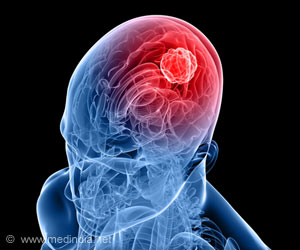
New Approach Holds Potential to Stop Growth of Brain Cancer Cells
Researchers at Princess Margaret Cancer Centre showed that chemically inhibiting the enzyme PRMT5 can suppress the growth of glioblastoma cells.
Researchers at Princess Margaret Cancer Centre showed that chemically inhibiting the enzyme PRMT5 can suppress the growth of glioblastoma cells.
 Email
Email