MEDINDIA
 English
 हिन्दी
 Español
 français
 中文
中文
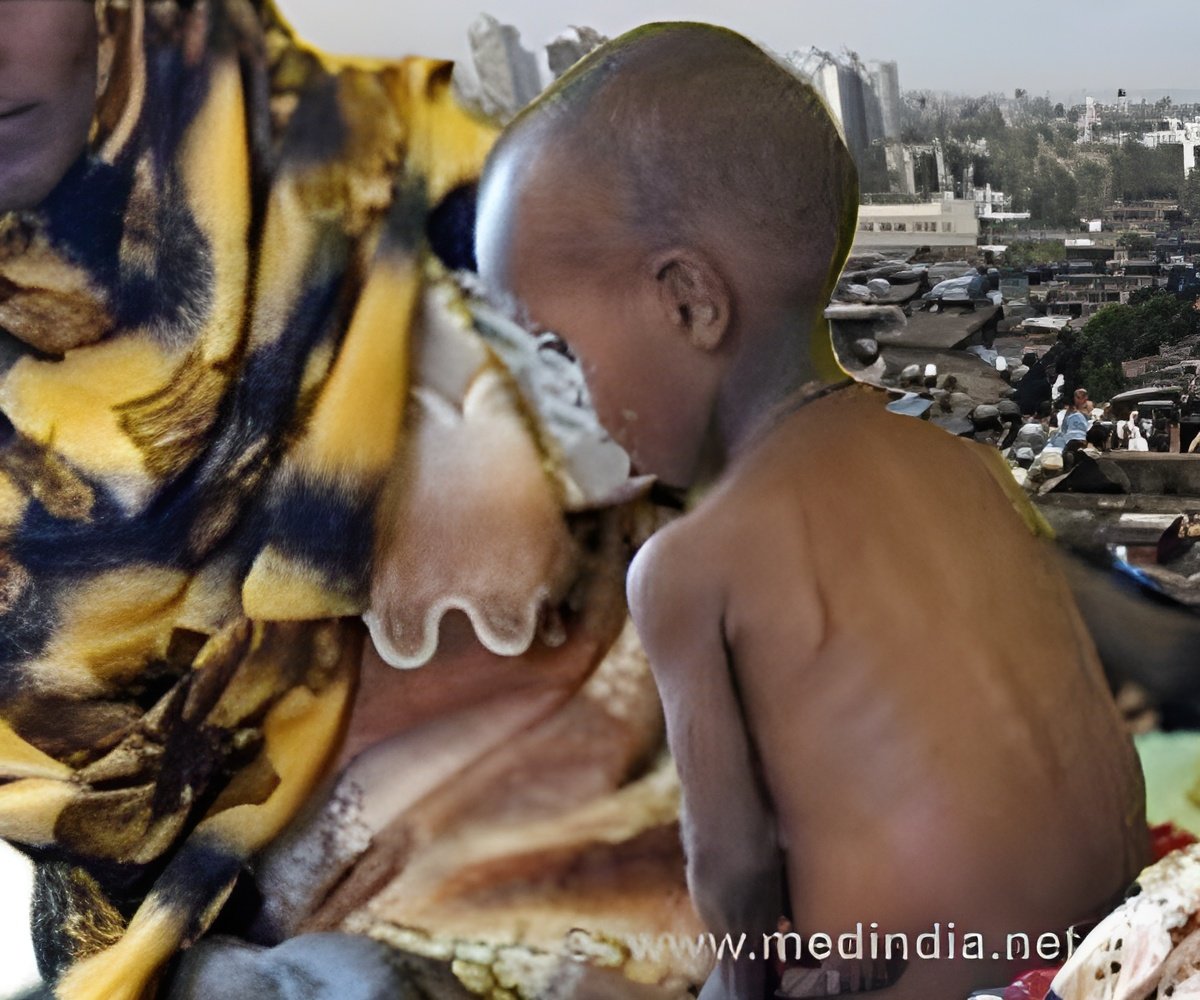
Poorly-maintained community toilets can serve as a major source of coronavirus infection. Strict adherence to hygiene and sanitation practices are required to contain the virus.
TOP INSIGHT

Patients living in densely populated areas should report symptoms like fever, chills, dry cough, running nose etc. immediately to the nearest ASHA/Anganwadi/ frontline workers.
Read More..
The Centre has emphasized on having a face cover for everyone in the community -- including children older than three years -- as people with no symptoms can infect others.
"Those living in close proximity with others should distance themselves as far as possible, ventilate the room with a fan and open window. Always use face covers when in close proximity," said the guidelines.
The handbook also emphasised that fruits and vegetables should be thoroughly washed, and milk bags and other packaged food items should also be washed with soap water before use.
The document identified common use surfaces such as handles, knobs, doors etc. as a major source of disease spread in a community. "It is recommended that foot operated hand washing stations are installed at all public areas to enable residents to frequently wash their hands... hand washing stations will control the spread of the disease while reducing the amount of water used. To eliminate use of soap, chlorine can be added to the water," said the handbook citing two designs for affordable and self-assembled hand washing stations.

Coronavirus
Coronaviruses infect animals, humans, and birds. Human coronaviruses, such as SARS, MERS, and 2019-nCoV cause respiratory distress and even death. The S protein is the infectious agent of the virus.
Coronaviruses infect animals, humans, and birds. Human coronaviruses, such as SARS, MERS, and 2019-nCoV cause respiratory distress and even death. The S protein is the infectious agent of the virus.
--IANS
Source-IANS
 Email
Email