MEDINDIA
 English
 हिन्दी
 Español
 français
 中文
中文
It’s that time of year when families jet off to all parts of the country to share some holiday cheer, but try to take care of health at the same time.


Enjoy the Holidays but Don't Forget Your Dietary Fiber
In a Western country, an average person's fiber intake has drastically reduced over the past few decades.
In a Western country, an average person's fiber intake has drastically reduced over the past few decades.
TOP INSIGHT

Advice might differ depending on you personal medical history, the destination you are travelling to, and your travel schedule. The best advice is get vaccinated for all vaccine-preventable illnesses.
“As much as we try to control our environment, there are risks we cannot avoid,” she said. “There will be people who get sick despite their best intentions. But we can all certainly do our part to reduce our risk.”
The main culprits are respiratory viruses that cause the common cold or bronchitis. These include adenovirus, Respiratory Syncytial Virus (RSV), parainfluenza, and influenza. People with underlying lung disease, who have weakened immune systems, and infants or the elderly are particularly vulnerable to serious consequences of these viruses, Vijayan said.

Simple Tips That Will Help Find a Balance in Life After Holidays
Make a New Year's resolution to try something new in 2017. Take up a new hobby, learn a new language or join a class that you have been meaning to for a while.
Make a New Year's resolution to try something new in 2017. Take up a new hobby, learn a new language or join a class that you have been meaning to for a while.
There are measures for reducing your risk of getting sick, Vijayan says, including:

Coca-Cola's 'Happy Holidays' Truck Tour Should be Banned
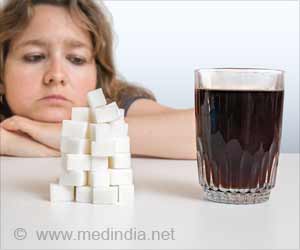
Many public health departments have launched campaigns about sugary drinks to try to help their communities reduce their consumption.
Many public health departments have launched campaigns about sugary drinks to try to help their communities reduce their consumption.
In less-developed countries, avoid any unpeeled raw fruits or vegetables and only consume cooked food if possible. Avoid tap water and ice cubes. Only drink bottled or treated water.

Holiday Weight Gain can be Reduced With Healthy Lifestyle
For the first time, MRI technology has been used to assess the storage of body fat while following a healthy lifestyle like regular physical activity and a balanced diet.
For the first time, MRI technology has been used to assess the storage of body fat while following a healthy lifestyle like regular physical activity and a balanced diet.
Be sure you are immune to measles, mumps and rubella, given the recent outbreaks of these illnesses all over the world, including the United States and Europe.
Source-Newswise
 Email
Email