MEDINDIA
 English
 हिन्दी
 Español
 français
 中文
中文
Using prolonged exposure therapy to treat patients with post-traumatic stress disorder and comorbid alcohol dependence does not increase drinking or cravings, Penn Medicine psychiatrists report.


Post Traumatic Stress Disorder (PTSD) - Causes, Symptoms, Risk Factors, Complications, Dignosis, Treatment
Post Traumatic Stress Disorder (PTSD), is a mental condition triggered by a traumatic event. PTSD treatment includes pyschotherapy, behavior therapy and medications.
Post Traumatic Stress Disorder (PTSD), is a mental condition triggered by a traumatic event. PTSD treatment includes pyschotherapy, behavior therapy and medications.
Prolonged exposure therapy is thought to reduce drinking via improvement of PTSD symptoms that can lead to self-medication with alcohol. Today, 65 percent of patients with PTSD are also battling substance abuse.
For the eight-year study (2001 to 2009), 165 patients with PTSD and alcohol dependence were divided into four groups: prolonged exposure therapy plus naltrexone; prolonged exposure therapy plus placebo pill; supportive counseling plus naltrexone; and supportive counseling plus placebo. Prolonged exposure therapy was composed of 12-weekly 90-minute sessions followed by six bi-weekly sessions. (All patients received supportive counseling).

Drug Detox – Alcohol, Opioid, Nicotine Detoxification
Drug detoxification (or drug detox) is a process that helps drug addicts to give up drugs with less or no withdrawal symptoms.
Drug detoxification (or drug detox) is a process that helps drug addicts to give up drugs with less or no withdrawal symptoms.
In post treatment (a six-month follow up), PTSD patients with an alcohol dependence treated with prolonged exposure therapy and naltrexone had a lower rate of relapse (5.4 percent) compared to those on a placebo (13.3 percent) and received supportive counseling.
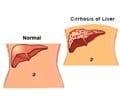
Alcoholic Liver Disease - Causes Symptoms Diagnosis Treatment FAQs
Encyclopedia section of medindia gives general information about Alcoholic Liver Disease.
Encyclopedia section of medindia gives general information about Alcoholic Liver Disease.
All patients in the trial also had a reduction in PTSD symptoms, but the main effect of prolonged exposure therapy at post treatment was not significant.

Alcohol Abuse - Alcohol Addiction - Treatment � Rehab among Woman
Social drinking amongst women has become a fad. Stop it before it finishes you.
Social drinking amongst women has become a fad. Stop it before it finishes you.
"Importantly, our findings indicated that prolonged exposure therapy was not associated with increased drinking or alcohol craving," they write. "This finding contradicts the common view that trauma-focused therapy is contraindicated for individuals with alcohol dependence and PTSD because it may exacerbate PTSD symptoms and thereby lead to increased alcohol use."
This is the first clinical trial to investigate the effects of an evidence-based medication (naltrexone) and an evidence-based therapy (prolonged exposure therapy) on PTSD patients with comorbid dependence on alcohol.
Other Penn Medicine authors in the study include David A. Yusko, Carmen P. Mclean, Charles O'Brien, David Oslin and Patricia Imms, and researchers from the University of Suffolk, Montefiore Medical Center, Uniformed Services University, Institute of Addiction Medicine, and Temple University.
This research was supported with a grant from the National Institute on Alcohol Abuse and Alcoholism (RO1AA012428).
Source-Newswise
 Email
Email