MEDINDIA
 English
 हिन्दी
 Español
 français
 中文
中文
Extensive use of smartphones by parents can damage toddler’s development and have far-reaching consequences.


Effect of Smartphone Bans in the Workplace
The benefits of the smartphone ban in the workplace depend on the type of work with less effect on executing more complex tasks.
The benefits of the smartphone ban in the workplace depend on the type of work with less effect on executing more complex tasks.
TOP INSIGHT

Mothers when using smartphones talk four times less with their children. So, the consequences of inadequate mother–child interaction can be far-reaching.
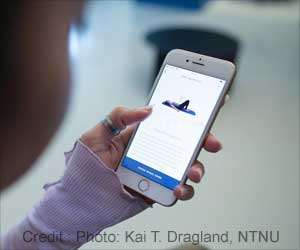
“Our goal was to simulate situations in real life where the mother has to take care of her child, while at the same time devoting some of her attention to her smartphone,” Dr. Katy Borodkin explains.
“The mothers were unaware of the purpose of the experiment, so they behaved naturally by splitting their interest between the toddlers and the smartphone and magazines. We videotaped all the interactions between the mothers and the toddlers and later scanned the recordings frame by frame in an attempt to quantify the mother–child interaction.”

Around 20 percent Smartphone Users Are Dependent
More than 20 per cent of South Korean smartphone users are at risk of being overly dependent on the devices, a survey has showed.
More than 20 per cent of South Korean smartphone users are at risk of being overly dependent on the devices, a survey has showed.
According to previous research, this is an important predictor of a child’s language development. It has been found in the past that reduced linguistic input leads to reduced vocabulary in a child, even as an adult.

Study Says 1 in 2 South Asians Concerned About the Damage Smartphones Causes to Wellbeing
56% of South Asians are really concerned about the impact of Internet and smartphone use on their health and well-being, reveals a new study.
56% of South Asians are really concerned about the impact of Internet and smartphone use on their health and well-being, reveals a new study.
For example, when the child says “look, a truck,” there is no comparison between a response such as “yes, that’s great” and a response such as “correct, this is a red truck, like the one we saw yesterday.” This measure is the basis for almost every aspect of child development: linguistic, social, emotional, and cognitive. “We found that the three components of mother–child interaction were reduced by a factor of two to four relative to uninterrupted free play, both when the mother was reading printed magazines and browsing on her smartphone,” Dr. Borodkin says.
How Harmful is Smartphone Gaming?
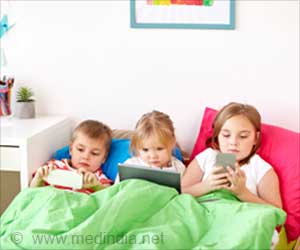
People experiencing intense boredom play smartphone games to escape or alleviate these feelings of boredom. Playing too long can lead to addiction and increase the depression.
People experiencing intense boredom play smartphone games to escape or alleviate these feelings of boredom. Playing too long can lead to addiction and increase the depression.
Equally interesting is the fact that no difference was found between browsing a smartphone and reading magazines.
“We did not find that one media distracted more than the other. However, it is clear that we use smartphones much more than any other media, so they pose a significant developmental threat. It should be noted that we currently have no research evidence suggesting an actual effect on child developmental related to the parental use of smartphones, as this is a relatively new phenomenon. However, our findings indicate an adverse impact on the foundation of child development. The consequences of inadequate mother–child interaction can be far-reaching.”
To conclude, Dr. Borodkin adds: “In our current research we focused on the mothers, but we believe that our findings characterize communication interferences between fathers and their toddlers as well, since the smartphone usage patterns are similar between men and women, thus allowing us to estimate with high probability that the research findings are applicable to fathers and to mothers.”
Source-Eurekalert
 Email
Email