MEDINDIA
 English
 हिन्दी
 Español
 français
 中文
中文
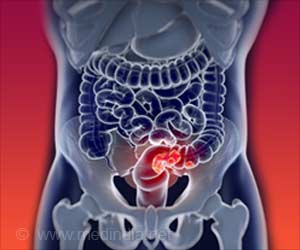
A novel anti-cancer agent, Thailanstatin A, which was originally isolated from a bacterial species collected in Thailand has been synthesized by scientists.

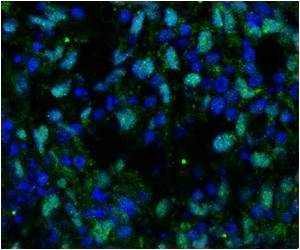
Researchers Identify Unique Monoclonal Antibody That can Help Anti-Cancer Agents Target Protein Inside Cancer Cell
NEW YORK, MARCH 13, 2013 – Researchers have discovered a unique monoclonal antibody that can effectively reach inside a cancer cell, a key goal for these important anticancer agents,
NEW YORK, MARCH 13, 2013 – Researchers have discovered a unique monoclonal antibody that can effectively reach inside a cancer cell, a key goal for these important anticancer agents,
TOP INSIGHT

A novel anti-cancer agent, Thailanstatin A, which was originally isolated from a bacterial species collected in Thailand has been synthesized by Rice University scientists.
The researchers explained that the spliceosome, a complex of proteins and ribonucleoproteins that regulate DNA splicing, is more active and displays higher mutation rates in cancer cells than in healthy cells, which makes it a valid target for investigation.
"This cellular machinery edits mRNA as it emerges from the transcription of DNA through site-specific removal of introns (noncoding regions of DNA) and splicing the remaining exon (coding) sequences prior to translation," Nicolaou said. "Thailanstatin A interferes with this mechanism."

Yale Researchers Synthesized Long-Awaited Anti-Cancer Agent
For the first time, Yale University scientists have synthesized a chemical compound, leading to the development of a new class of molecules that may target and destroy cancer stem cells.
For the first time, Yale University scientists have synthesized a chemical compound, leading to the development of a new class of molecules that may target and destroy cancer stem cells.
The program can take two directions, he said, "One directed toward high-potency compounds that could be used as payloads for antibody drug conjugates and the other toward selective agents that can kill cancer cells with minimal damage to healthy cells."
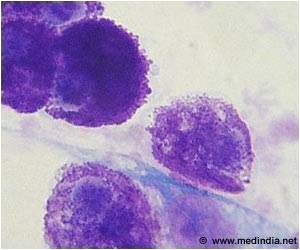
Hope of New Tailor-Made Anti-Cancer Agents Triggered by New Discovery
A new chemical compound that blocks a protein that has been linked to poor responses to treatment in cancer patients has been customized by scientists.
A new chemical compound that blocks a protein that has been linked to poor responses to treatment in cancer patients has been customized by scientists.
"We're excited about this new molecule and its analogs because of their unique biological properties and the prospects of working collaboratively with industrial and academic partners to advance them toward the clinic," Nicolaou said.

Immunosuppressives Could Become Anti-Cancer Agents
Immunosuppressives seem to hold exciting promise in cancer treatment. One particular antibiotic could become an anti-cancer agent too, it is hoped.
Immunosuppressives seem to hold exciting promise in cancer treatment. One particular antibiotic could become an anti-cancer agent too, it is hoped.
 Email
Email