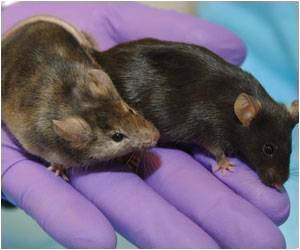
A new 3D protein modeling suggests why some animals are more susceptible to coronavirus infection than others.


Coronavirus
Coronaviruses infect animals, humans, and birds. Human coronaviruses, such as SARS, MERS, and 2019-nCoV cause respiratory distress and even death. The S protein is the infectious agent of the virus.
Coronaviruses infect animals, humans, and birds. Human coronaviruses, such as SARS, MERS, and 2019-nCoV cause respiratory distress and even death. The S protein is the infectious agent of the virus.
‘Certain animals' ACE2 "locks" fit the viral "key" better, and that these animals, including humans, are susceptible to COVID-19 infection.’





Previous research suggests that the current pandemic began when the virus that causes Covid-19, SARS-CoV-2, jumped from bats or pangolins to humans. Certain other animals, such as cattle and cats, appear to be susceptible to Covid-19, while others, such as pigs and chickens, are not. One zoo even reported infections in tigers. However, it was unclear why some animals are immune and others are not. To address this question, Rodrigues and colleagues looked for clues in the first step of infection, when SARS-CoV-2's "spike" protein binds to an "ACE2" receptor protein on the surface of an animal cell. They used computers to simulate the proteins' 3D structures and investigate how the spike protein interacts with different animals' ACE2 receptors--similar to checking which locks fit a certain key.
Despite being approximations, the simulations pinpointed certain structural features unique to the ACE2 receptors of these susceptible species. The analysis suggest that other species are immune because their ACE2 receptors lack these features, leading to weaker interactions with spike proteins.
COVID-19 can Impact Young Children's Hearts, Says Study
A case revealed that a 2-month-old infant diagnosed with coronavirus experienced reversible myocardial injury and heart failure.
A case revealed that a 2-month-old infant diagnosed with coronavirus experienced reversible myocardial injury and heart failure.
"Thanks to open-access data, preprints, and freely available academic software, we went from wondering if tigers could catch Covid-19 to having 3D models of protein structures offering a possible explanation as to why that is the case in just a few weeks," Rodrigues says.
Advertisement
COVID-19 Poses Greater Risk For Autoimmune Diseases
People with rare autoimmune rheumatic diseases (RAIRDs) are at a greater risk of death at a younger age during the COVID-19 pandemic.
People with rare autoimmune rheumatic diseases (RAIRDs) are at a greater risk of death at a younger age during the COVID-19 pandemic.
Source-Eurekalert
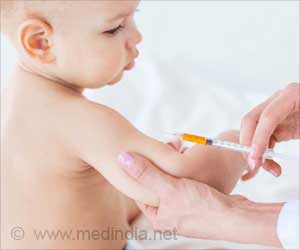
BCG Vaccine Prevents COVID-19
The connection of BCG vaccine with decreased and less severe course COVID-19 is proven to attenuate the disease.
The connection of BCG vaccine with decreased and less severe course COVID-19 is proven to attenuate the disease.