MEDINDIA
 English
 हिन्दी
 Español
 français
 中文
中文
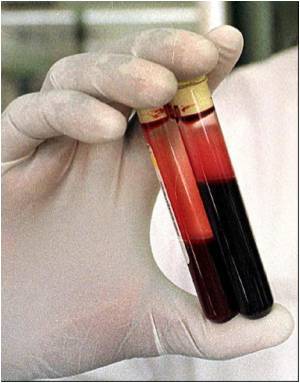
A study conducted by researchers has shed light on the process behind blood clot formation.
von Willebrand Disease (vWD)
von Willebrand's Disease (vWD) is an autosomal dominant inherited bleeding disorder that occurs from birth and affects both sexes.
von Willebrand's Disease (vWD) is an autosomal dominant inherited bleeding disorder that occurs from birth and affects both sexes.
"In this study, we've shown that cell-surface receptor P2X7, which was known to promote inflammation when stimulated, also plays a major role in the clot-forming process by activating tissue factor."
"This suggests that clot-preventing drugs targeting the P2X7 pathway might not have unacceptable side effects," said Ruf.

Quiz on Heart Attack
The risk factors that work behind the scene before a heart attack are familiar to many. But do you realize the extent to which your lifestyle choices are putting your life at risk? Can you identify a heart attack when it occurs? Take our quiz and find out.
The risk factors that work behind the scene before a heart attack are familiar to many. But do you realize the extent to which your lifestyle choices are putting your life at risk? Can you identify a heart attack when it occurs? Take our quiz and find out.
The study was recently published online by the Journal of Clinical Investigation.
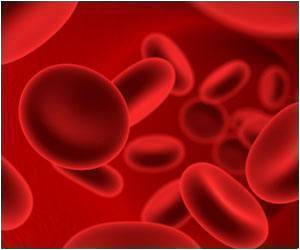
Novel Technique Lights Up Hidden Blood Clots
Near-infrared fluorescence (NIRF) technique uses light energy to collect information about cells and tissues.
Near-infrared fluorescence (NIRF) technique uses light energy to collect information about cells and tissues.
Tall and Obese Males Have High Risk of Blood Clots
A new report reveals that people who are tall and obese are at an increased risk of suffering from blood clots.
A new report reveals that people who are tall and obese are at an increased risk of suffering from blood clots.
 Email
Email