MEDINDIA
 English
 हिन्दी
 Español
 français
 中文
中文
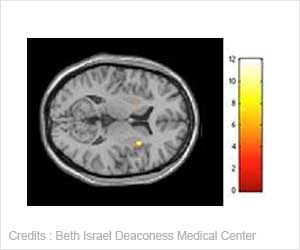
A recent study suggests that exercising control (by making choices) may be adaptive because it activates the brain regions associated with rewards.
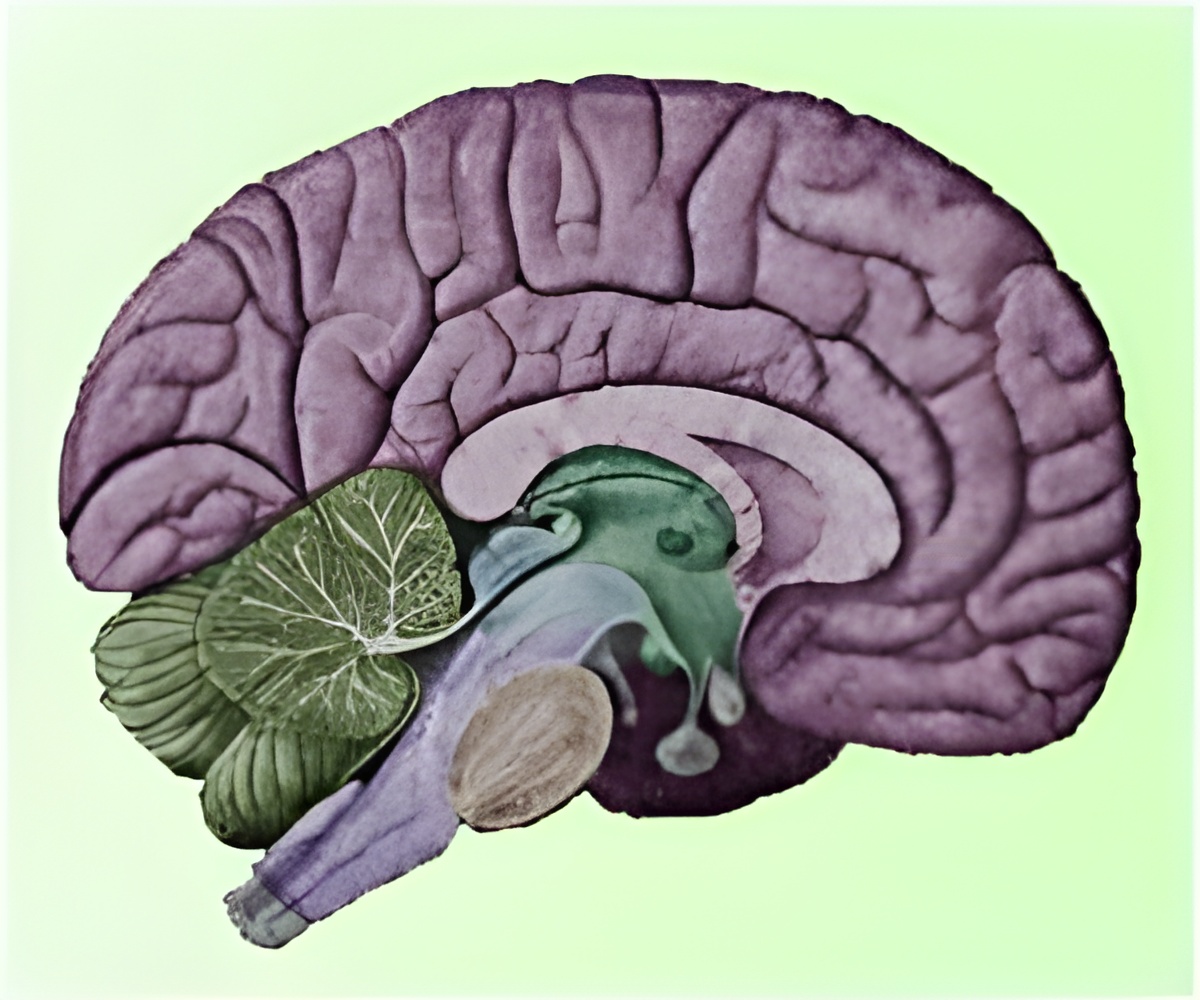
Top 10 Amazing Brain Facts
The brain is the most amazing and complex organ in this universe and has billions of nerve cells called as neurons. Medindia brings to you the top 10 amazing brain facts.
The brain is the most amazing and complex organ in this universe and has billions of nerve cells called as neurons. Medindia brings to you the top 10 amazing brain facts.
According to Leotti, the study demonstrated that the opportunity for a sense of control relayed by the choice cues (compared to no choice cues) recruits reward related brain circuitry.
"It makes sense that we would evolve to find choice rewarding, since the perception of control is so adaptive. If we didn't feel that we were capable of effectively acting on our environment to achieve our desired goals, there would be little incentive to face even the slightest challenge," said Leotti.
Quiz on Brain
The human brain is exquisitely intrinsic and is the seat of all emotions. If you are curious about what makes you bad, sad, silly or glad this quiz on the brain will satiate you.
The human brain is exquisitely intrinsic and is the seat of all emotions. If you are curious about what makes you bad, sad, silly or glad this quiz on the brain will satiate you.
Source-ANI

Brilliant Human Brain
The most amazing and complex organ in the entire universe, the human brain continues to remain an enigma.
The most amazing and complex organ in the entire universe, the human brain continues to remain an enigma.

Exercise Controls Calorie Intake by Making You "Feel Full"
Brazilian researchers have discovered that exercise not only helps you shed kilos by burning calories but also makes you feel full by triggering neurons in the brain.
Brazilian researchers have discovered that exercise not only helps you shed kilos by burning calories but also makes you feel full by triggering neurons in the brain.
 Email
Email