MEDINDIA
 English
 हिन्दी
 Español
 français
 中文
中文
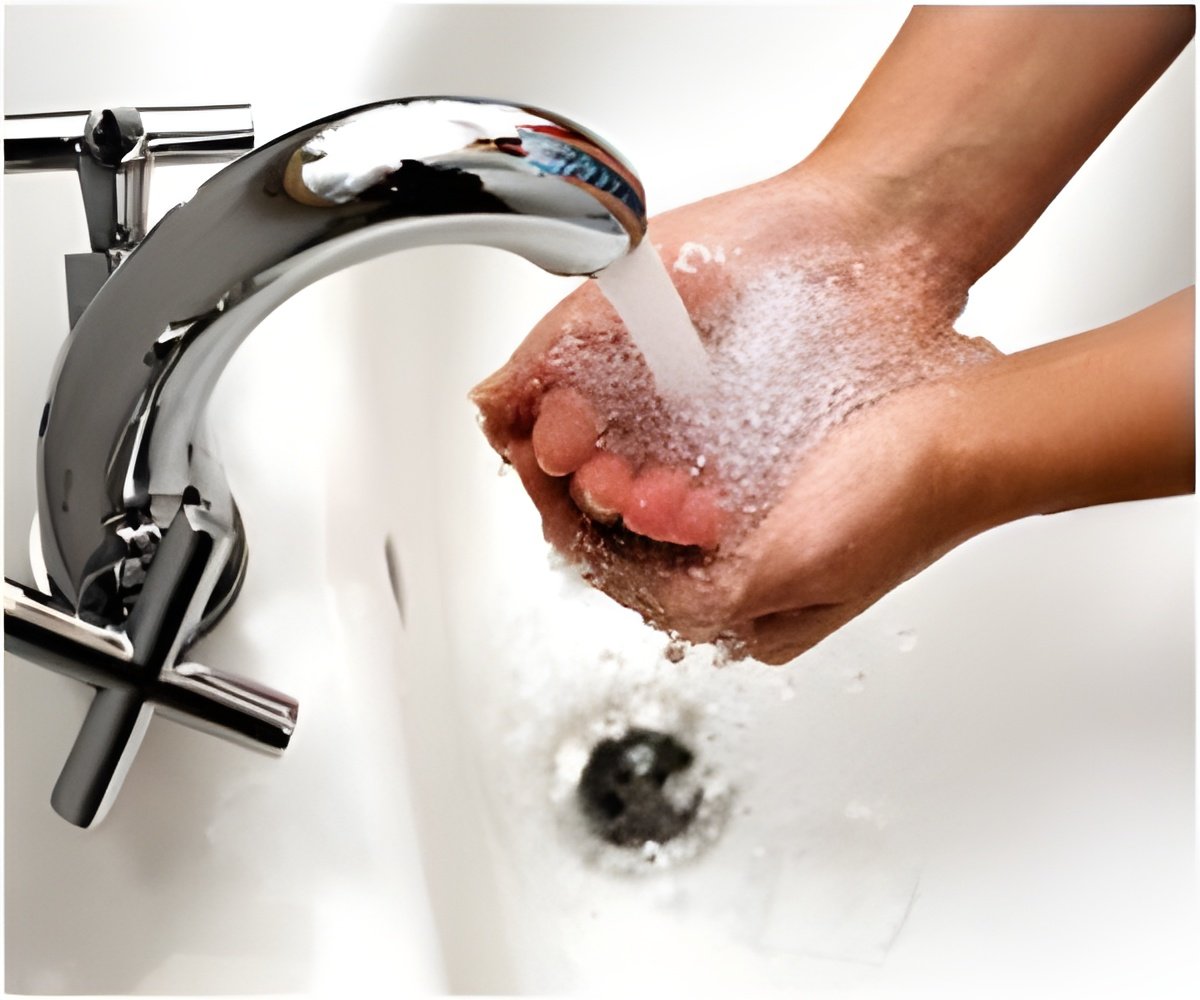
Hospitalized patients wash their hands infrequently, finds study led by McMaster University researcher Dr. Jocelyn Srigley.
Wearing Gloves After Hand Washing Leads to Fewer Infections Among Extremely Premature Babies
Neonatal intensive care unit (NICU) medical staff wearing gloves after washing their hands transmitted fewer infections as they handled extremely premature babies.
Neonatal intensive care unit (NICU) medical staff wearing gloves after washing their hands transmitted fewer infections as they handled extremely premature babies.
Much is known about the importance of health care worker hand hygiene in preventing infections in hospital, but there has been little emphasis on the hand hygiene behaviour of patients as a way to reduce the spread of infection.
Srigley and her team looked at the hand hygiene of 279 adult patients in three multi-organ transplant units of a Canadian acute care teaching hospital over an eight-month period. The researchers used new electronic hand hygiene monitoring technology involving sensors on all soap and sanitizer dispensers, to assess this behaviour. The same system was used by the team in its recent study that discovered fewer health care workers wash their hands when not being watched.

Specialized Messages Spur Hand Washing in Men
Good hygiene messages in washrooms were found to increase the likelihood of male hand washing, states study published in the journal Human Communication Research.
Good hygiene messages in washrooms were found to increase the likelihood of male hand washing, states study published in the journal Human Communication Research.
Srigley said that with the current lack of focus on patient hand hygiene, this study's results are not surprising. Furthermore, it is already known that health care worker hand hygiene is far from ideal despite intensive efforts to improve it through education, promotional materials and feedback.
Global Hand Washing Day Underlines the Importance of Washing Hands Thoroughly to Prevent Diseases
Global Hand Washing Day is a worldwide endeavor to create awareness about the importance of washing hands using a soap or sanitizer before meals and after using the toilet,
Global Hand Washing Day is a worldwide endeavor to create awareness about the importance of washing hands using a soap or sanitizer before meals and after using the toilet,
"We can't expect patients to know when to wash their hands if we don't inform them, so it's not surprising that they wash their hands infrequently. In particular for washing hands when entering and exiting their room, it's not something that I would expect patients to think of doing unless they were educated and reminded to do that."
Improve Hand Washing With Glowing Gel
A study has found that using a glowing gel that shows kids how well they wash their hands by highlighting bacteria they missed while washing could significantly improve hand hygiene.
A study has found that using a glowing gel that shows kids how well they wash their hands by highlighting bacteria they missed while washing could significantly improve hand hygiene.
Source-Eurekalert
 Email
Email