MEDINDIA
 English
 हिन्दी
 Español
 français
 中文
中文
Cognitive impairment following a traumatic brain injury (TBI) is common, often adversely affecting the quality of life of 1.7 million Americans every year.

First Research Summit to Focus on Female Concussion and Traumatic Brain Injury
The International Summit on Female Concussion and Traumatic Brain Injury will be held Saturday, February 27, 2016, at Georgetown University.
The International Summit on Female Concussion and Traumatic Brain Injury will be held Saturday, February 27, 2016, at Georgetown University.
TOP INSIGHT

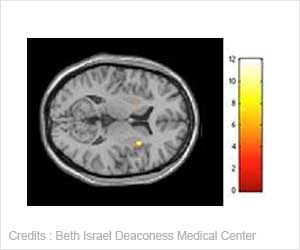
Cooperation between the default mode network, dorsal attention and the frontoparietal control networks is key to controlling internal trains of thought and achieving tasks in changing environments.
For the study, researchers analyzed MRI scans of 40 TBI individuals with those of 17 healthy individuals matched for gender, age and years of education. Participants were ages 19 to 45. While all individuals in the TBI group were at least six months post-injury at the time of the study, the average length of time since injury was eight years with no history of any significant, clinically-diagnosed neurological or psychiatric disorders prior to their TBI.
"Much research has focused on separating out individual brain networks," said Daniel Krawczyk, Ph.D., principal investigator, associate professor of cognitive neuroscience and cognitive psychology at the Center for BrainHealth and Debbie and Jim Francis Chair at The University of Texas at Dallas. "This is the first study of its kind to show the intercorrelations among different networks and disruptions among them in individuals with TBI."
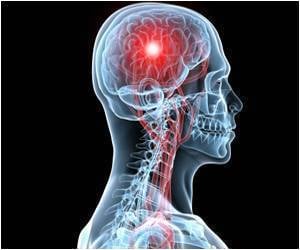
Air Evacuation may Do Further Harm in Patients With Traumatic Brain Injury
Exposure to reduced barometric pressure, as occurs on military planes used for evacuation, worsens neurological function and increases brain cell loss.
Exposure to reduced barometric pressure, as occurs on military planes used for evacuation, worsens neurological function and increases brain cell loss.
Source-Eurekalert
Electronic Implants Monitor Temperature, Pressure After Brain Injury, Then Melt Away
A new class of small, thin electronic sensors can monitor temperature and pressure within the skull - crucial health parameters after a brain injury or surgery.
A new class of small, thin electronic sensors can monitor temperature and pressure within the skull - crucial health parameters after a brain injury or surgery.
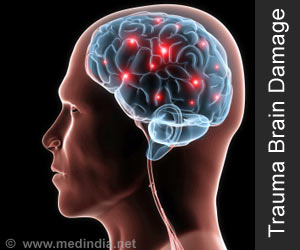
Symptoms and Quality of Life After Traumatic Brain Injury in Military Personnel
New research shows four distinct patterns of symptoms after mild traumatic brain injury (TBI) in military service members.
New research shows four distinct patterns of symptoms after mild traumatic brain injury (TBI) in military service members.
 Email
Email