MEDINDIA
 English
 हिन्दी
 Español
 français
 中文
中文
High-risk medical devices often undergo modifications, which are approved by the USFDA through various kinds of premarket approval (PMA) supplements.
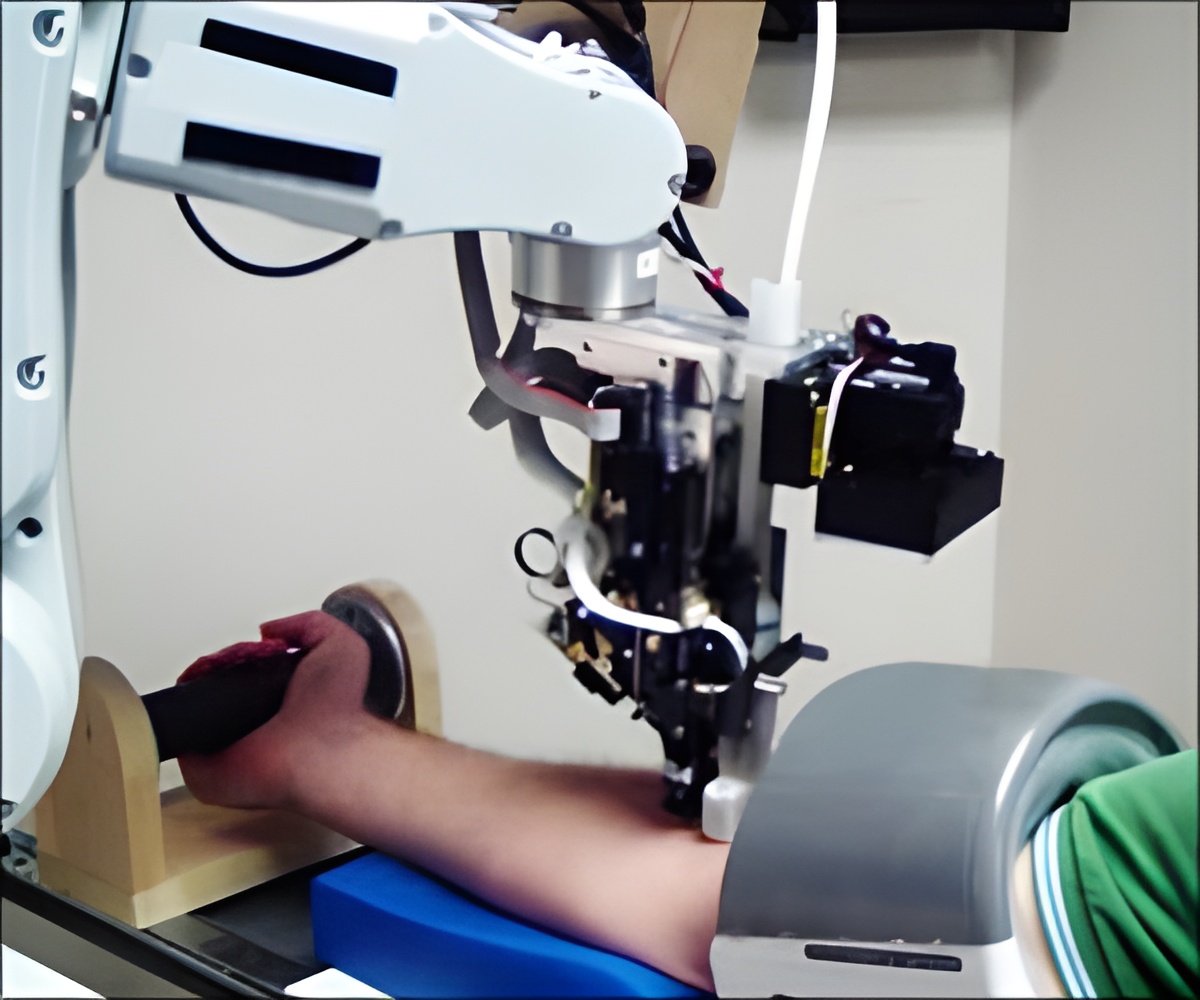

Notified Medical Devices as Drugs Should Carry MRP on the Packs
Drugs price regulator National Pharmaceutical Pricing Authority (NPPA) on Friday said that medical devices which are notified as drugs must carry maximum retail price (MRP) on the packs.
Drugs price regulator National Pharmaceutical Pricing Authority (NPPA) on Friday said that medical devices which are notified as drugs must carry maximum retail price (MRP) on the packs.
TOP INSIGHT

The strength of evidence of clinical studies used in FDA-approved panel-track supplements between 2006 and 2015 were examined.
The approval of 78 panel-track supplements were supported by 83 clinical studies, with 71 supplements (91 percent) supported by a single study. Of the 83 studies, 45 percent were randomized clinical trials and 30 percent were blinded. The median number of patients per study was 185 and the median follow-up duration was 180 days.
Of the primary end points, 121 of 150 (81 percent) were surrogate end points, and 38 percent were compared with controls. Age was not reported in 40 percent of the studies, and 30 percent did not report sex for all enrolled patients.
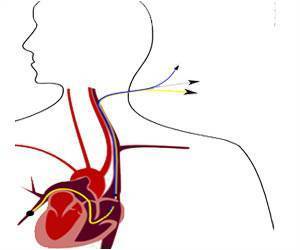
Pryor Medical Devices� New ER-REBOA Catheter Receives FDA Approval
REBOA is a minimally invasive technique used by the trauma, critical care and emergency medicine community to temporarily occlude large vessels using a balloon.
REBOA is a minimally invasive technique used by the trauma, critical care and emergency medicine community to temporarily occlude large vessels using a balloon.
The study notes some limitations, including that because the focus was premarket clinical data, the analyses did not include preclinical data supporting panel-track supplements or postmarket studies initiated without FDA requirements.

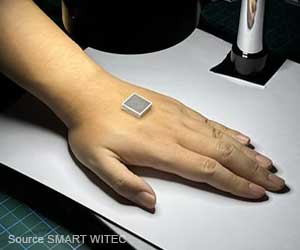
New Approach May Boost Biomedical Devices' Effectiveness
Modern electronic biomedical devices are enabling a wide range of sophisticated health interventions and now, a new research's approach can help boost their lifetime and effectiveness.
Modern electronic biomedical devices are enabling a wide range of sophisticated health interventions and now, a new research's approach can help boost their lifetime and effectiveness.
Source-Eurekalert

Manufacturers of Medical Devices to Meet Risk Proportionate Regulatory Requirements
According to the health ministry, the Notified Bodies will be accredited by the National Accreditation Board for Certification Bodies (NABCB).
According to the health ministry, the Notified Bodies will be accredited by the National Accreditation Board for Certification Bodies (NABCB).
 Email
Email