MEDINDIA
 English
 हिन्दी
 Español
 français
 中文
中文
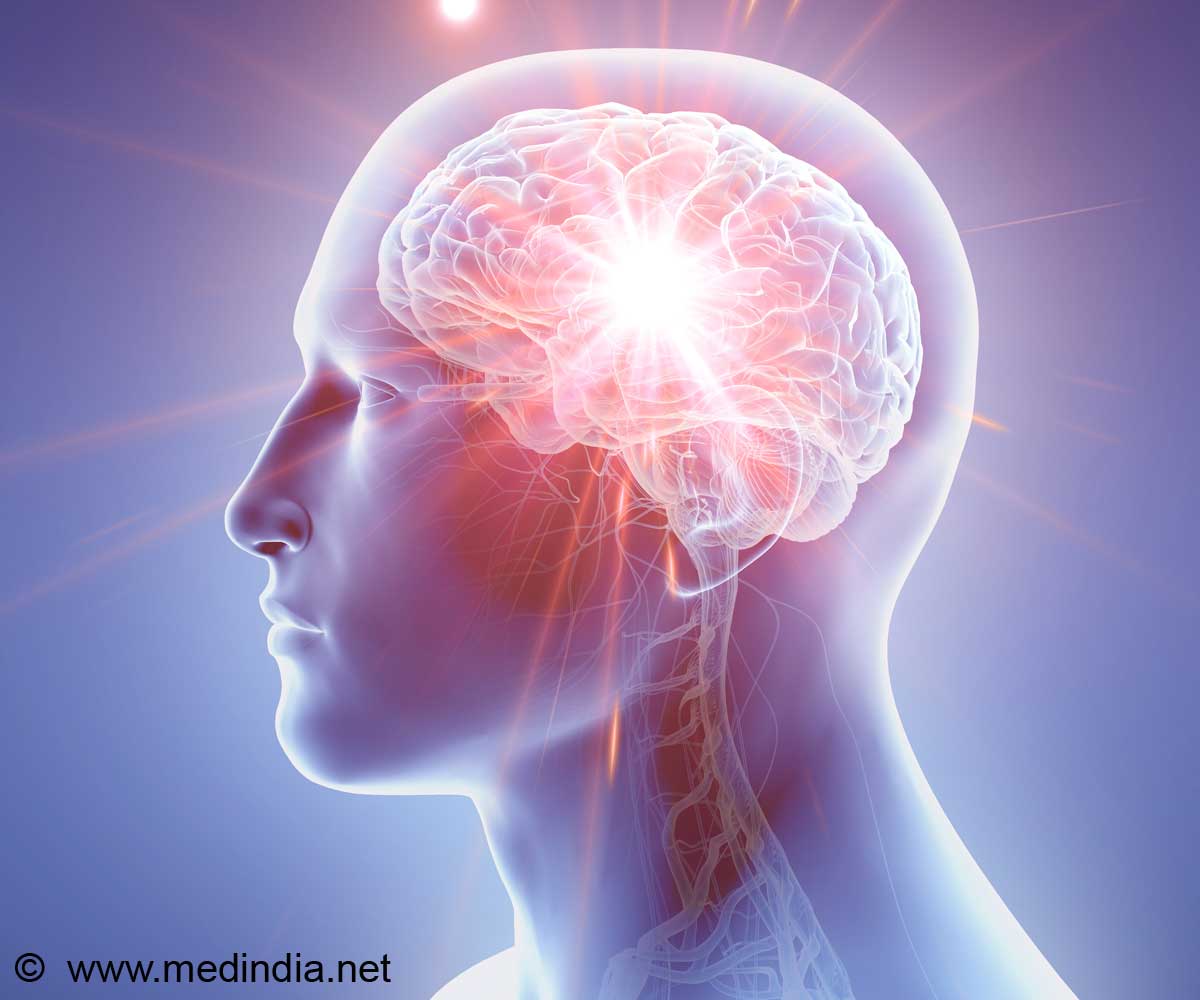
New research published in the American Heart Association journal Stroke says that non-invasive brain stimulation may help stroke survivors recover speech and language function.
Stroke – Early Warning Signs - Risk Factor - Rehab - Treatment
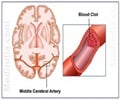
Stroke can cause permanent disability and it is important to recognize its early warning signs to stop its progress. Early warning signs of stroke include sudden weakness of facial muscles.
Stroke can cause permanent disability and it is important to recognize its early warning signs to stop its progress. Early warning signs of stroke include sudden weakness of facial muscles.
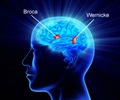
The intensity for stimulation was lower intensity so that participants still had the same sensation on the skin but no effective electrical currents were induced in the brain tissue.Patients received 20 minutes of TMS or sham stimulation followed by 45 minutes of speech and language therapy for 10 days. The TMS groups' improvements were on average three times greater than the non-TMS group, researchers said. They used German language aphasia tests, which are similar to those in the United States, to measure language performance of the patients."TMS had the biggest impact on improvement in anomia, the inability to name objects, which is one of the most debilitating aphasia symptoms," Thiel said.Researchers, in essence, shut down the working part of the brain so that the stroke-affected side could relearn language.
"This is similar to physical rehabilitation where the unaffected limb is immobilized with a splint so that the patients must use the affected limb during the therapy session," Thiel said. "We believe brain stimulation should be most effective early, within about five weeks after stroke, because genes controlling the recovery process are active during this time window," he said.Thiel said the result of this study opens the door to larger, multi-center trials. The NORTHSTAR study has been funded by the Canadian Institutes of Health Research and will be launched at four Canadian sites and one German site later in 2013.
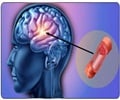
How to Deal with a Stroke - Signs - Symptoms - Risk Factors - Prevention
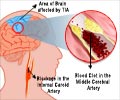
Stroke is a brain attack, which occurs when the blood supply to the brain is interrupted. It affects all age groups; according to the WHO, 15 million people are affected by stroke annually.
Stroke is a brain attack, which occurs when the blood supply to the brain is interrupted. It affects all age groups; according to the WHO, 15 million people are affected by stroke annually.
Source-Eurekalert

Stress and the Gender Divide-Mars and Venus-Biology-Different Strokes
Stress has become entwined in the current lifestyle of a young working couple and has resulted in the rise in incidence of hypertension, diabetes and psychosomatic illnesses.
Stress has become entwined in the current lifestyle of a young working couple and has resulted in the rise in incidence of hypertension, diabetes and psychosomatic illnesses.
 Email
Email