MEDINDIA
 English
 हिन्दी
 Español
 français
 中文
中文
A study using rat models suggests that growing up in a stressful environment can prepare rats for a stressful, high-predation environment in the future.


Believe It! Washing Dishes Could Help You Calm and Reduce Stress
People who focused on the smell of soap, warmth of water, feel of the dishes, reported a decrease in nervousness by 27% and an increase in mental inspiration by 25%.
People who focused on the smell of soap, warmth of water, feel of the dishes, reported a decrease in nervousness by 27% and an increase in mental inspiration by 25%.
They turned to rats to investigate the effects of maltreatment during adolescence because it is unethical to manipulate stress in humans and rats have a short lifespan, allowing them to study long-term effects more efficiently.
For the study, Lauren Chaby from Pennsylvania State University exposed adolescent rats to a range of unpredictable stressors, including smaller or tilted cages, social isolation or crowding, and predator scents or vocalizations.
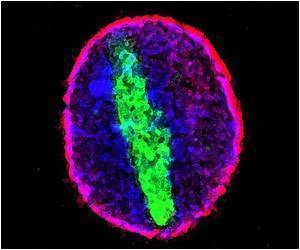
Endoplasmic Reticulum Stress May Play a Significant Role in Type-2 Diabetes
When the endoplasmic reticulum undergoes disruptions or stress patients experience poor glycemic control, dyslipidemia, insulin resistance and oxidative stress.
When the endoplasmic reticulum undergoes disruptions or stress patients experience poor glycemic control, dyslipidemia, insulin resistance and oxidative stress.
"We wanted to test them in conditions that were consistent with their rearing conditions to see if that impacted their ability to solve tasks," Chaby said.

Stress Causes Infants to Resort to Habits, Rather Than Try Out New Things
If infants are repeatedly exposed to stress and therefore don't try out alternative behaviors, this may have a negative impact on their knowledge acquisition.
If infants are repeatedly exposed to stress and therefore don't try out alternative behaviors, this may have a negative impact on their knowledge acquisition.
Adult rats then manipulated a variety of novel objects to obtain food rewards.

Childhood Psychological Stress Increases Heart Disease Risk
Psychological distress contributes to excess risk of cardiovascular and metabolic diseases and that effects may be initiated relatively early in life.
Psychological distress contributes to excess risk of cardiovascular and metabolic diseases and that effects may be initiated relatively early in life.
These statistically significant results suggest that growing up in a stressful environment can prepare rats for a stressful, high-predation environment in the future.
Chaby hopes that studies like this can help direct how we study adolescent stress in humans.
The results were published in the journal Animal Behavior.
Source-IANS
 Email
Email