MEDINDIA
 English
 हिन्दी
 Español
 français
 中文
中文
Infusing a special molecule miR-133a along with mesenchymal stem cells produced microRNA’s which survived and healed scarred tissue in the heart.
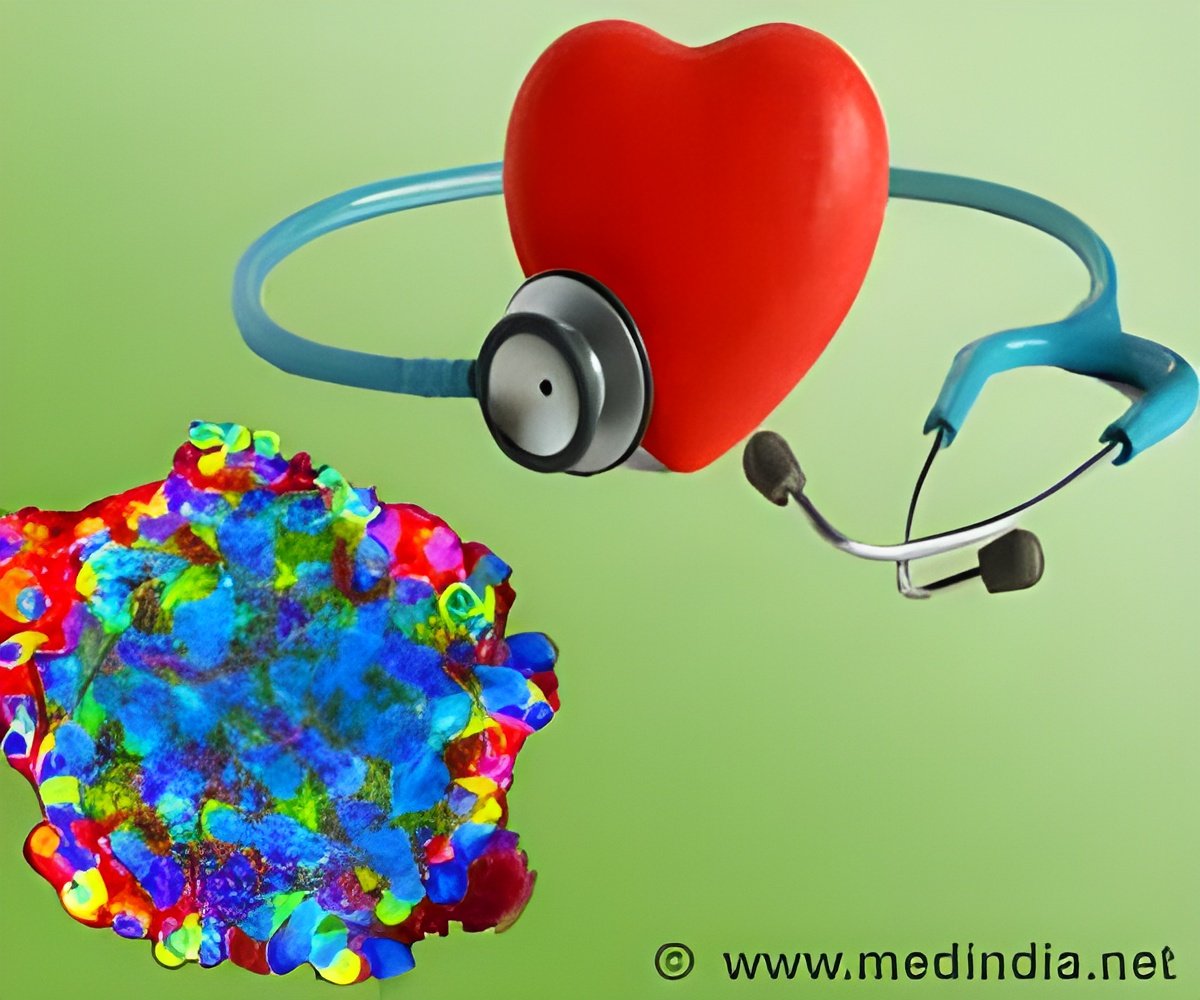

The team used a specialty molecule that was able to induce mesenchymal stem cells to produce their own miR-133a. They tested these stem cells within rat hearts that suffered a myocardial infarction, showing that the cells made to produce the regulating microRNA survived in considerably larger quantities compared to untreated stem cells.
Overall, bioengineering of stem cells through miRNAs manipulation could potentially improve the therapeutic outcome of patients undergoing stem cell transplantation for MI.

Use of Stem Cells in Personalized Medicine
Stem cell therapy, a leading topic of interest among the budding scientists. These cells play a role in the development of personalized medicines for millions of cancer and heart patients.
Stem cell therapy, a leading topic of interest among the budding scientists. These cells play a role in the development of personalized medicines for millions of cancer and heart patients.

Comparison of Outcomes of Peripheral and Bone Marrow Stem Cells Transplantation
Bone marrow transplant was first done successfully in 1968. The surgical procedure is required for treating those suffering from leukemia, aplastic anemia, Hodgkin’s disease.
Bone marrow transplant was first done successfully in 1968. The surgical procedure is required for treating those suffering from leukemia, aplastic anemia, Hodgkin’s disease.
Unrestricted Somatic Stem Cells Better Than Mesenchymal Stem Cells in Repairing Heart Attack Damage
Unrestricted somatic stem cells derived from umbilical cord blood are better in repairing heart attack damage compared to mesenchymal stem cells derived from bone marrow.
Unrestricted somatic stem cells derived from umbilical cord blood are better in repairing heart attack damage compared to mesenchymal stem cells derived from bone marrow.
 Email
Email