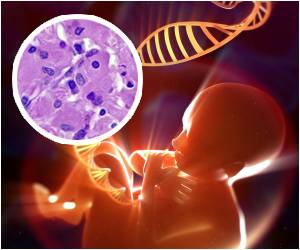
Mutations in a number of human genes, especially NDE1 has been implicated in causing the relatively rare occurrence of microcephaly.
Zika Fever - Causes, Symptoms, Diagnosis, Treatment and Prevention
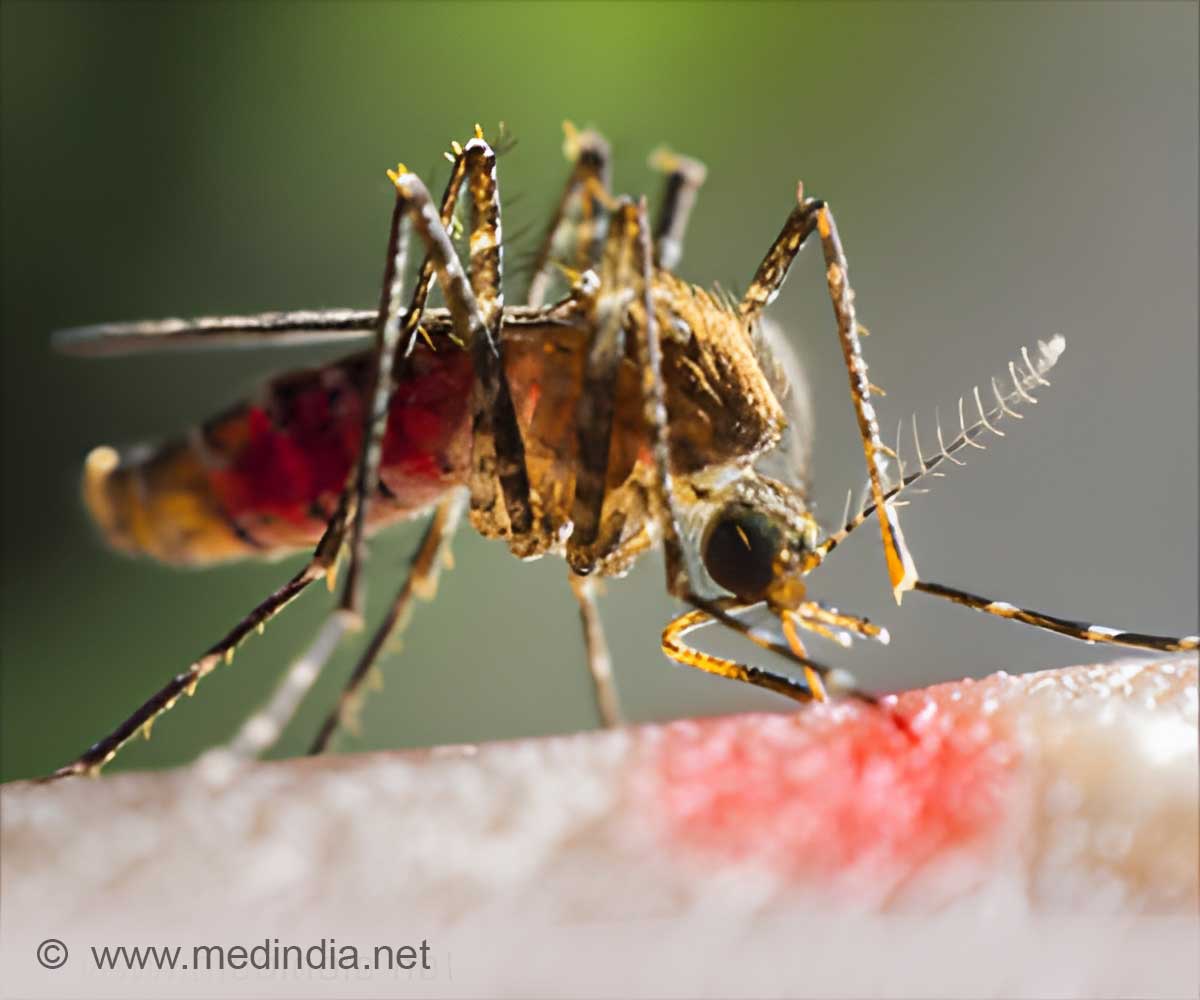
Zika virus is transmitted to humans by infected mosquitoes which causes mild fever with maculopapular rash. No treatment or vaccine is currently available.
Zika virus is transmitted to humans by infected mosquitoes which causes mild fever with maculopapular rash. No treatment or vaccine is currently available.
‘NDE1 defects can stop stem cells before division even begins at three distinct arrest points. The net result is a complete failure of these cells to divide, explaining the severity of the NDE1-associated microcephaly.’





Mutations in a number of human genes have been implicated in causing the relatively rare occurrence of this disease. Mutations in one such gene - NDE1 (referred to as "nood-E") - cause a particularly severe form of microcephaly. The Columbia researchers -- David Doobin, an MD/PhD student, Richard Vallee, PhD, professor of pathology and cell biology, and others in Dr. Vallee's lab -- reasoned that investigating NDE1's role in microcephaly should provide important clues to the causes of microcephaly in general.
In the study, the researchers found that interfering with NDE1 expression severely inhibited the proliferation of stem cells in the developing rat brain. These stem cells, known as radial glial progenitors (RGPs), undergo rapid repeated divisions over the weeks-to-months-long process of brain development.

First Ever Zika Vaccines Offer Protection for Primates
Three Zika vaccines developed provided complete protection in primates, offering hope for humans.
Three Zika vaccines developed provided complete protection in primates, offering hope for humans.
The new study found that NDE1 defects can stop RGPs before division even begins at three distinct arrest points. The net result is a complete failure of these cells to divide, explaining the severity of the NDE1-associated microcephaly.
Advertisement

Cloning the Zika Virus - A Step Towards the Cure
Cloning of Zika virus is a breakthrough in vaccine research and therapeutics against the disease.
Cloning of Zika virus is a breakthrough in vaccine research and therapeutics against the disease.
Source-Eurekalert

Zika Virus � A New Mosquito-Borne Disease in the West
Zika virus infection represents another arbovirus or mosquito-borne viral disease to affect the Americas. Currently, there is no cure for Zika virus disease.
Zika virus infection represents another arbovirus or mosquito-borne viral disease to affect the Americas. Currently, there is no cure for Zika virus disease.