MEDINDIA
 English
 हिन्दी
 Español
 français
 中文
中文
Diagnosing and treating every patient in the U.S. who has sleep apnea would produce an annual economic savings of $100.1 billion.
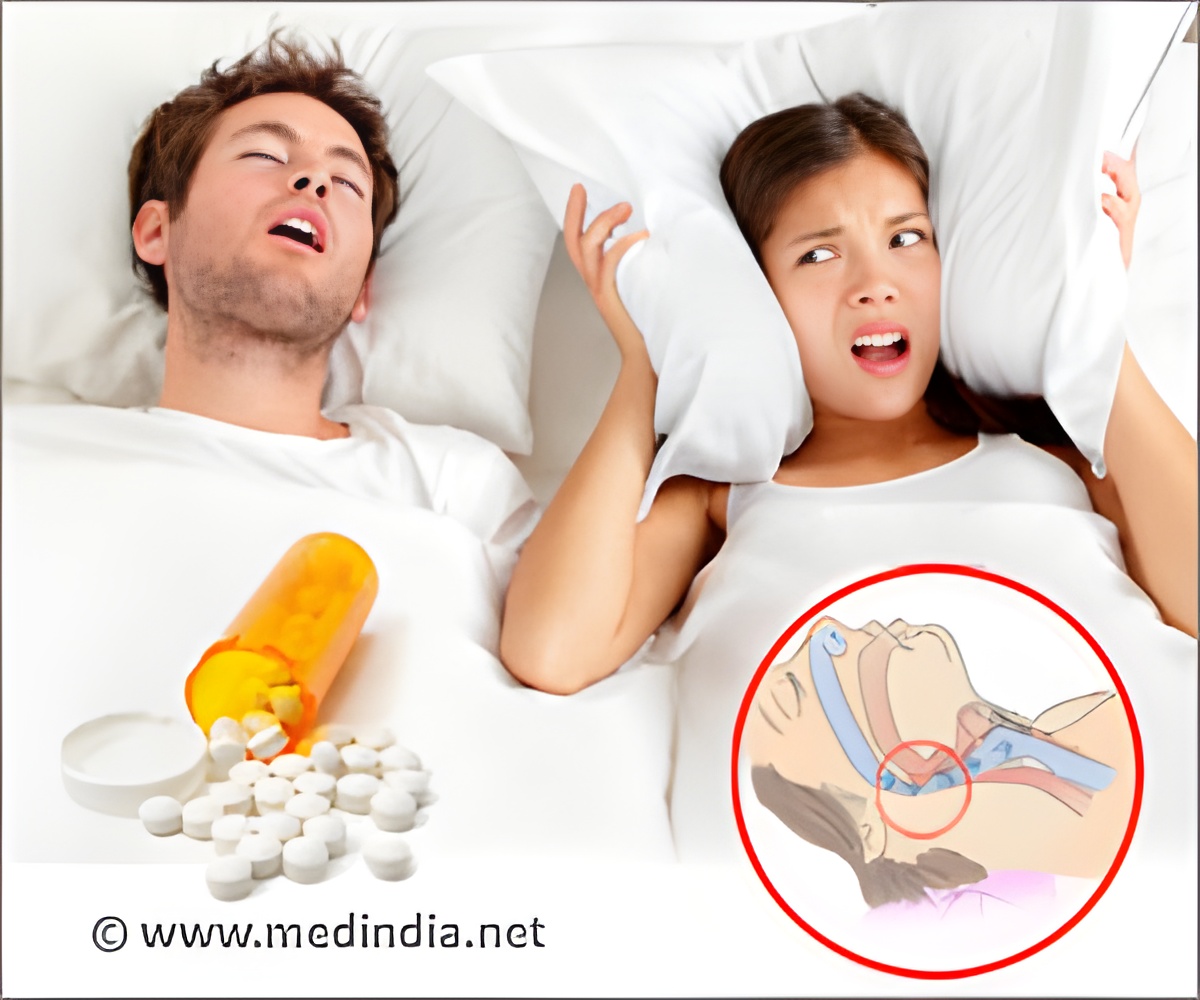

Link Between Sleep Apnea and Glaucoma Identified
People with obstructive sleep apnea syndrome (OSAS) are at an increased risk of developing glaucoma than non-OSAS sufferers, reveals new study.
People with obstructive sleep apnea syndrome (OSAS) are at an increased risk of developing glaucoma than non-OSAS sufferers, reveals new study.
TOP INSIGHT

Obstructive sleep apnea (OSA) is a sleep-related breathing disorder characterized by repetitive episodes of complete or partial upper airway obstruction occurring during sleep.
Frost & Sullivan calculated that the annual economic burden of undiagnosed sleep apnea among U.S. adults is approximately $149.6 billion. The estimated costs include $86.9 billion in lost productivity, $26.2 billion in motor vehicle accidents and $6.5 billion in workplace accidents. Untreated sleep apnea also increases the risk of costly health complications such as hypertension, heart disease, diabetes and depression. The report estimates that undiagnosed sleep apnea also costs $30 billion annually in increased health care utilization and medication costs related to these comorbid health risks.
"The high quality, patient-centered care provided by board-certified sleep medicine physicians can significantly reduce the health and economic burdens of sleep apnea," said AASM President Dr. Ronald Chervin.

Elevated Risk of Perioperative Complications in Patients With Obstructive Sleep Apnea
Patients with obstructive sleep apnea face an elevated risk of perioperative complications; the risk is higher if the diagnosis has not been made before surgery.
Patients with obstructive sleep apnea face an elevated risk of perioperative complications; the risk is higher if the diagnosis has not been made before surgery.
The companion report was based on a survey of 506 patients who are currently being treated for obstructive sleep apnea. Results show a variety of positive impacts on patient health and quality of life when patients are treated for their OSA, including better sleep, greater productivity, and a reported 40 percent decline in workplace absences. Approximately 78 percent of patients reported that sleep apnea treatment was a good investment.
Obstructive Sleep Apnea may Worsen Liver Disease in Adults
Obstructive sleep apnea and low night-time oxygen may also be important triggers in the progression of paediatric NAFLD to a type of fatty liver disease.
Obstructive sleep apnea and low night-time oxygen may also be important triggers in the progression of paediatric NAFLD to a type of fatty liver disease.
In order to prepare these reports, Frost & Sullivan, interviewed key opinion leaders with specialties in economics, sleep medicine, productivity, mental health and accidents. The Frost & Sullivan research team also reviewed more than 100 studies on the impact of sleep apnea and constructed detailed financial models leveraging collected research, results from a survey of 506 patients, and treatment fees pulled from public sources including the Centers for Medicare & Medicaid Services (CMS) fee schedules.
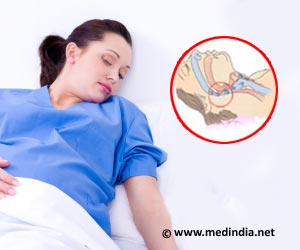
New Implantable Device Eases Symptoms of Obstructive Sleep Apnea
The implantable device called hypoglossal nerve stimulation (HGNS) offers promise for patients with moderate to severe OSA who cannot tolerate CPAP.
The implantable device called hypoglossal nerve stimulation (HGNS) offers promise for patients with moderate to severe OSA who cannot tolerate CPAP.
 Email
Email