MEDINDIA
 English
 हिन्दी
 Español
 français
 中文
中文
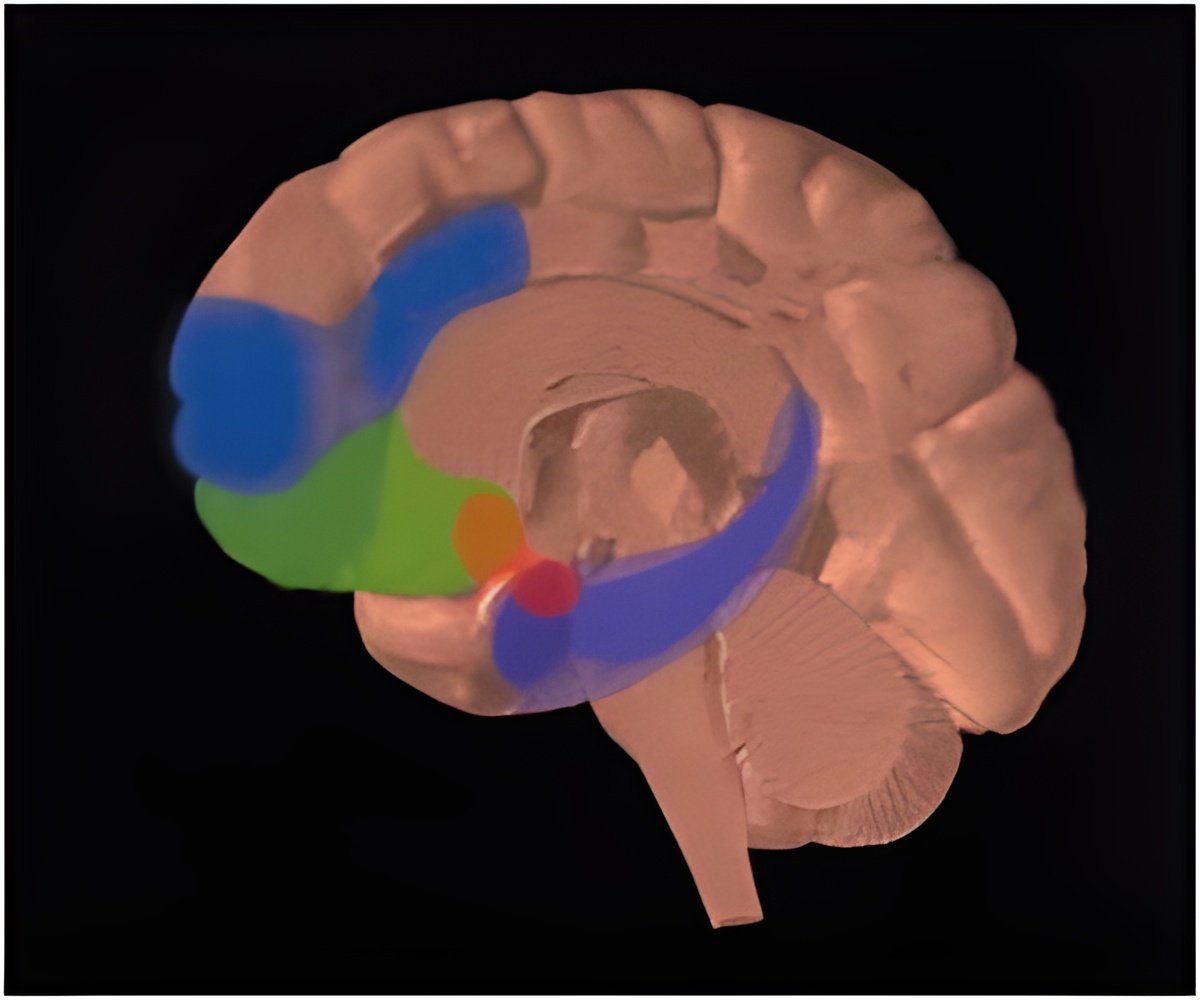
The regions of brain that control language and complex thought processes in humans, thought to be unique to humans, have been found in monkeys in recent researches.

Preterm Infants Learn to Speak Fast If Parents Converse With Them
The rate of the vocabulary growth and IQ score are more strongly related to the number of words the parent says per hour to the child than to parent’s education and socioeconomic status.
The rate of the vocabulary growth and IQ score are more strongly related to the number of words the parent says per hour to the child than to parent’s education and socioeconomic status.
The researchers also noted some key differences between monkeys and humans. For example, ventrolateral frontal cortex circuits in the two species differ in the way that they interact with brain areas involved with hearing.
"This could explain why monkeys perform very poorly in some auditory tasks and might suggest that we humans use auditory information in a different way when making decisions and selecting actions," says Dr. Neubert.

Early Development of Language Skills Help Kids to Cope Better With Anger
Children who develop language skills faster are able to cope with anger better than those kids who have not developed these skills.
Children who develop language skills faster are able to cope with anger better than those kids who have not developed these skills.
"This might relate to humans being particularly proficient in tasks that require strategic planning and decision making as well as 'multi-tasking'", says Dr. Neubert.
Quiz on Brain
The human brain is exquisitely intrinsic and is the seat of all emotions. If you are curious about what makes you bad, sad, silly or glad this quiz on the brain will satiate you.
The human brain is exquisitely intrinsic and is the seat of all emotions. If you are curious about what makes you bad, sad, silly or glad this quiz on the brain will satiate you.

Special School Shows How to Help Hearing Impaired Children
Kids with hearing impairment can be rehabilitated to live normal life with appropriate intervention by trained professionals and cooperative parents. ‘Little Flower Convent for the Deaf’ shows how….
Kids with hearing impairment can be rehabilitated to live normal life with appropriate intervention by trained professionals and cooperative parents. ‘Little Flower Convent for the Deaf’ shows how….
 Email
Email