MEDINDIA
 English
 हिन्दी
 Español
 français
 中文
中文
Does the use of a product influence the user's perception of it, making them more susceptible to the positive aspects and altering perception of the negative aspects?
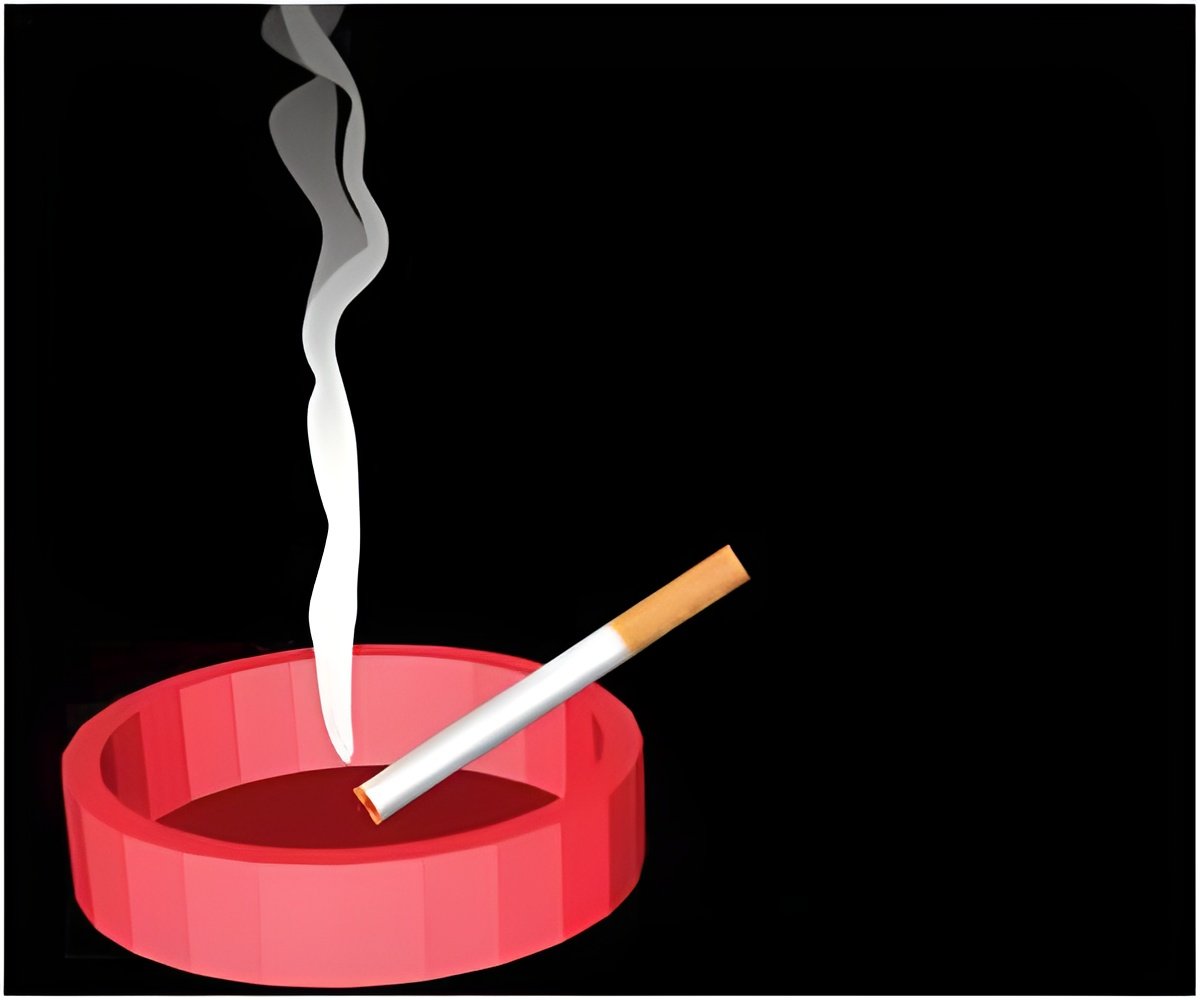

Smoking among Women / Rise in Tobacco Usage in Women
Tobacco use in women is on the rise. The health risks of tobacco are far too many has never done a woman any good psychologically or health-wise.
Tobacco use in women is on the rise. The health risks of tobacco are far too many has never done a woman any good psychologically or health-wise.
Approximately 70% to 95% of smokers who quit their bad habit will, despite their best efforts, start smoking again within one year. "Many factors make it difficult for people to quit. Part of the explanation could certainly be because cigarettes 'trick' the brains of smokers," stated Stéphane Potvin, a co-author of the study and researcher at the Institut universitaire en santé mentale de Montréal and Assistant Professor in the Department of Psychiatry at Université de Montréal. "Specifically, we discovered that the brain regions associated with motivation are more active in smokers when they see pleasurable images associated with cigarettes and less active when smokers are confronted with the negative effects of smoking."
Using neuroimaging techniques, the study researchers compared the emotional reactions of 30 smokers as they looked at aversive smoking-related images (e.g., lung cancer) compared to other aversive images (e.g., an old man on his deathbed) as well as appetitive smoking-related images.

Smoking Risk Calculator
Do you smoke cigarettes daily? Use medindia smoking risk calculator and calculate your reduced Life Span due to Smoking.
Do you smoke cigarettes daily? Use medindia smoking risk calculator and calculate your reduced Life Span due to Smoking.

Why smoking can kill you
Every cigarette you smoke is causing irreversible damage to your body; slowly killing you from the inside. It also endangers those around you, your family and children.
Every cigarette you smoke is causing irreversible damage to your body; slowly killing you from the inside. It also endangers those around you, your family and children.

Quiz on Smoking
Approximately half the smokers die due to smoking -related diseases. But it is not just the smokers who are at the receiving end. The passive smokers too, often pay a heavy price. If you still have not 'kicked the butt’, learn more horrifying facts about smoking by participating in the following quiz.
Approximately half the smokers die due to smoking -related diseases. But it is not just the smokers who are at the receiving end. The passive smokers too, often pay a heavy price. If you still have not 'kicked the butt’, learn more horrifying facts about smoking by participating in the following quiz.
 Email
Email