MEDINDIA
 English
 हिन्दी
 Español
 français
 中文
中文
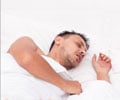
Students and patients with psychiatric problems are more vulnerable to develop sleep paralysis, reveals study.

Narcolepsy - Overview Incidence Causes Symptoms Diagnosis Treatment Prognosis Prevention FAQs
Sleep is the blissful state that rejuvenates our mind and body everyday and any deprivation often leads to a disorder that can affect our health
Sleep is the blissful state that rejuvenates our mind and body everyday and any deprivation often leads to a disorder that can affect our health
But other people enjoy the sensations they feel during sleep paralysis.
"I realized that there were no real sleep paralysis prevalence rates available that were based on large and diverse samples," Sharpless said.
Quiz on Sleep Disorder
The comfort of modern life comes at the cost of restful sleep! "Laugh and the world laughs with you, snore and you sleep alone-Anthony Burgess" Scientifically it is proven that a good night's sleep is imperative for maintaining a balance between the physical, emotional and behavioral well-being of a person.
The comfort of modern life comes at the cost of restful sleep! "Laugh and the world laughs with you, snore and you sleep alone-Anthony Burgess" Scientifically it is proven that a good night's sleep is imperative for maintaining a balance between the physical, emotional and behavioral well-being of a person.
He looked at a total of 35 published studies from the past 50 years to find lifetime sleep paralysis rates. These studies surveyed a total of 36,533 people.
Sleeping Disorders
How many times have you stayed awake in the dead of the night counting sheep? If it is fairly often then you could be suffering from a sleep disorder!
How many times have you stayed awake in the dead of the night counting sheep? If it is fairly often then you could be suffering from a sleep disorder!
When looking at specific groups, 28 percent of students reported experiencing sleep paralysis, while nearly 32 percent of psychiatric patients reported experiencing at least one episode.

Sleep Paralysis Related to REM Sleep
Sleep paralysis is related to REM sleep, particularly to the cycle that occurs at sleep onset.
Sleep paralysis is related to REM sleep, particularly to the cycle that occurs at sleep onset.
The study has been published in Sleep Medicine Reviews.
Source-ANI
 Email
Email