MEDINDIA
 English
 हिन्दी
 Español
 français
 中文
中文
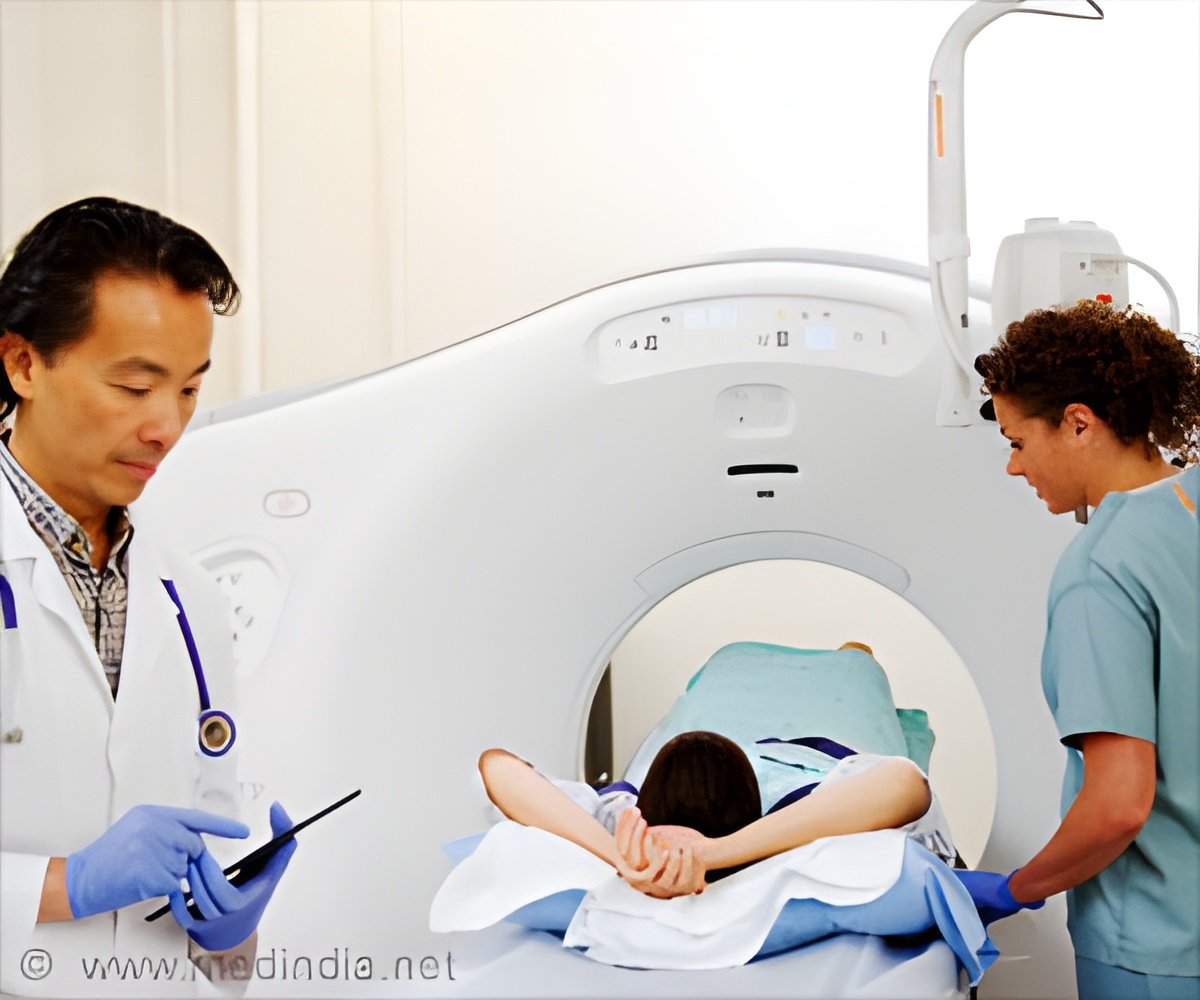
A simple scan (CT scan) can be effective in improving clinical outcomes in stroke patients, says study.
Stroke – Early Warning Signs - Risk Factor - Rehab - Treatment
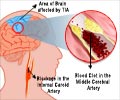
Stroke can cause permanent disability and it is important to recognize its early warning signs to stop its progress. Early warning signs of stroke include sudden weakness of facial muscles.
Stroke can cause permanent disability and it is important to recognize its early warning signs to stop its progress. Early warning signs of stroke include sudden weakness of facial muscles.
TOP INSIGHT

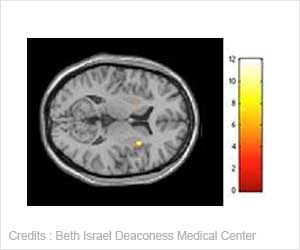
Computed tomography (CT scan) could be sufficient in deciding thrombectomy treatment in stroke.
"The results show that simple imaging, while not perfect, may be good enough. This basic technique is faster, which means patients could potentially be treated more quickly," said Sarraj, associate professor of neurology at McGovern Medical School at UTHealth. "The advanced imaging of CT perfusion isn’t available everywhere, so this could open up the door to identify more people for potential treatment, especially in remote areas."
Sarraj was principal investigator of the study, Optimizing Patient Selection for Endovascular Treatment in Acute Ischemic Stroke (SELECT). The clinical trial enrolled 445 patients who received both simple and advanced imaging at nine academic health centers across the U.S. from January 2016 to February 2018. Senior author was Gregory Albers, M.D., of Stanford University.
How to Deal with a Stroke - Signs - Symptoms - Risk Factors - Prevention
Stroke is a brain attack, which occurs when the blood supply to the brain is interrupted. It affects all age groups; according to the WHO, 15 million people are affected by stroke annually.
Stroke is a brain attack, which occurs when the blood supply to the brain is interrupted. It affects all age groups; according to the WHO, 15 million people are affected by stroke annually.
"If those treated using simple imaging can do as well as those treated by CT perfusion, this is an extremely important breakthrough that warrants further exploration and testing because it could broaden the number of patients having and benefiting from thrombectomy," said Sarraj, who is also director of UTHealth’s vascular neurology fellowship program and an attending physician at Memorial Hermann-Texas Medical Center.
Computed Tomography Scan (CT Scan)
Computed Tomography (CT) scan is a type of medical examination that uses X-rays and computer processing to create sectional images of the body to provide more efficient results than X-rays.
Computed Tomography (CT) scan is a type of medical examination that uses X-rays and computer processing to create sectional images of the body to provide more efficient results than X-rays.
"Our results should not be interpreted that advanced perfusion images are not necessary or should not be acquired at all as they still identified a group of patients that may be treated with thrombectomy when CT alone was not enough. The numbers involved are significant because 17.6 percent of patients could have been excluded from having surgery if the CT or CT perfusion were relied on alone, so there’s a real opportunity here to help more people if both forms of imaging are available," Sarraj said.
About Magnetic Resonance Imaging(MRI)
Encyclopedia section of medindia gives general info about Magnetic Resonance Imaging
Encyclopedia section of medindia gives general info about Magnetic Resonance Imaging
"Although this was the first large cohort study with pre-specified imaging criteria, analyses and objectives to look at imaging type selection, there is room for further refinement to truly test our initial findings and see if they are more affirmative and conclusive," Sarraj said.
Source-Eurekalert
 Email
Email