MEDINDIA
 English
 हिन्दी
 Español
 français
 中文
中文
Those who used tobacco or had a body mass index of 30.0 or higher were at a comparable risk to those with the sickle cell trait.


Hydroxyurea Improves Lung Function in Sickle Cell Disease
Sickle cell disease is the most commonly inherited genetic disorder with a decline in lung function that starts in childhood.
Sickle cell disease is the most commonly inherited genetic disorder with a decline in lung function that starts in childhood.
TOP INSIGHT

No longitudinal studies have formally investigated the relationship between sickle cell trait and exertional rhabdomyolysis in a large population of active, sickle cell-tested individuals.
This study also shed light on other factors that could increase the risk of exertional rhabdomyolysis. Those who used tobacco or had a body mass index of 30.0 or higher were at a comparable risk to those with the sickle cell trait. Recent use of statins or antipsychotics also increased the risk of exertional rhabdomyolysis.
"To our knowledge, no longitudinal studies have formally investigated the relationship between sickle cell trait and exertional rhabdomyolysis in a large population of active, sickle cell-tested individuals, while also looking at other known, major risk factors such as medications," said Dr. Patty Deuster, PhD, study author and director of the Consortium for Health and Military Performance (CHAMP) at USU. "We look forward to extending these findings and exploring whether similar results would be found in a large civilian population."
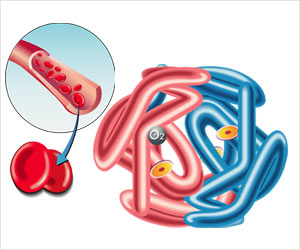
Indian-American Couple to Raise Funds for Sickle Cell Anemia Research
The proceeds of the event will go to benefit Sickle Cell research at organizations like University of California, Los Angeles (UCLA) Medical Center.
The proceeds of the event will go to benefit Sickle Cell research at organizations like University of California, Los Angeles (UCLA) Medical Center.
Source-Newswise
Professor Devotes Life to Education of Sickle Cell Disease
Sickle cell is a disorder of the red blood cells that carry oxygen, normal red blood cells are smooth and round and move through blood vessels with ease.
Sickle cell is a disorder of the red blood cells that carry oxygen, normal red blood cells are smooth and round and move through blood vessels with ease.
Long-Term Opioids may Not be Best Pain Management Option for Sickle Cell Patients
Adults with sickle cell disease who are treated long-term with opioids often fared worse in measures of pain, fatigue and curtailed daily activities.
Adults with sickle cell disease who are treated long-term with opioids often fared worse in measures of pain, fatigue and curtailed daily activities.
 Email
Email