MEDINDIA
 English
 हिन्दी
 Español
 français
 中文
中文
The sequencing of internal bacteria makeup for three major life stages of a butterfly species has now been done by a research team
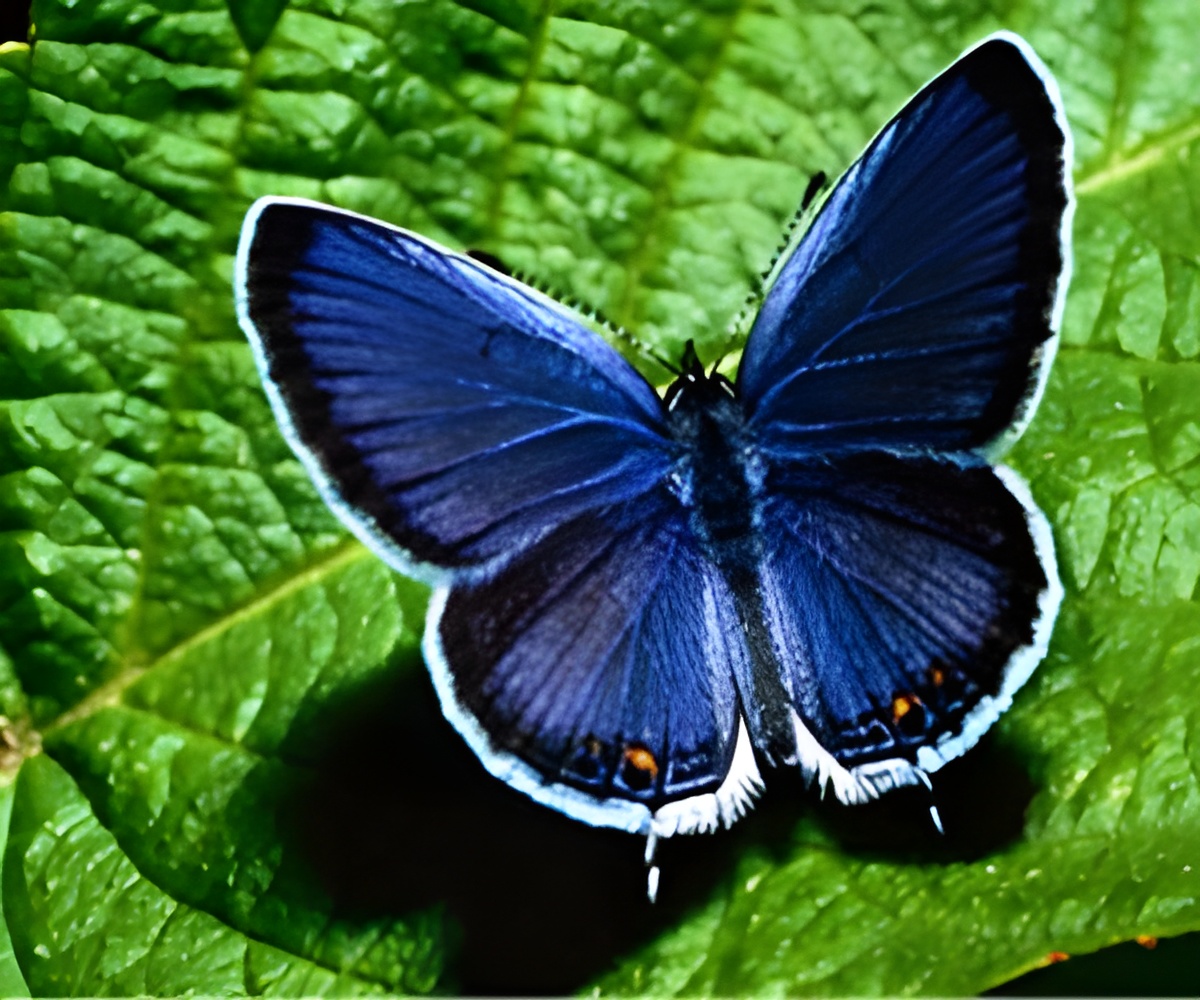

Global Warming Changing a Natural Event, the Early Emergence of the Common Brown Butterfly
The first casual link between climate change and the timing of a natural event, which is namely the emergence of the common brown butterfly, has been established by scientists.
The first casual link between climate change and the timing of a natural event, which is namely the emergence of the common brown butterfly, has been established by scientists.
The results showed the internal bacterial diversity of the red postman was halved when it morphed from the caterpillar to the chrysalis, or pupal stage, then doubled after the pupae turned into active adult butterflies.
The butterflies were collected at a field site in Gamboa, Panama, and data analysis was done at CU-Boulder.
Taiwan: 'A Butterfly Desert'
The pioneer of Taiwan butterfly research, Chen Wei-shou remembers being spell-bound when as a boy of six he first saw a flower that could move . A life-long obsession had begun.
The pioneer of Taiwan butterfly research, Chen Wei-shou remembers being spell-bound when as a boy of six he first saw a flower that could move . A life-long obsession had begun.
But the red postman apparently has found a way to digest and then extract nutrients from pollen grains, likely expanding its lifespan by several months.
Nanotech Medical Diagnostics Uses Butterfly Effect
Minute metallic nano particles shimmering in the light are set to turn into the color-change components of a revolutionary new approach to point-of-care medical diagnostics, states study.
Minute metallic nano particles shimmering in the light are set to turn into the color-change components of a revolutionary new approach to point-of-care medical diagnostics, states study.
The subject has been published online in the journal PLOS ONE.
 Email
Email