MEDINDIA
 English
 हिन्दी
 Español
 français
 中文
中文
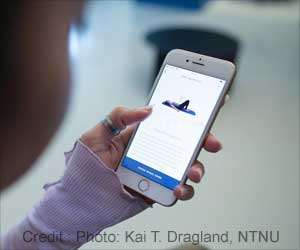
Tinder users report lower levels of satisfaction with their faces and bodies and have a lower level of self-worth than male and female study participants who did not use Tinder.

Anti-aging Efforts may Boost Self Esteem
A team of experts from the University of Alabama have offered valuable advice on slowing skin aging and boosting self esteem
A team of experts from the University of Alabama have offered valuable advice on slowing skin aging and boosting self esteem
TOP INSIGHT

Receiving compliments from other users on dating app Tinder, can boost egos, validate worth, and feed narcissistic tendencies but the act of being scrutinized and evaluated may make individuals more body conscious and lead to feelings of anxiety, depression, and general psychological distress.
The study, Love me Tinder: Body image and Psychosocial Functioning Among Men and Women, which was presented at the annual American Psychological Association conference in Washington D.C., says there were significant differences between those who use Tinder and those who don’t on how they looked at and felt about their body.
Professor Jessica Strübel of the University of North Texas said ‘Tinder users reported having lower levels of satisfaction with their faces and bodies and having lower levels of self-worth than the men and women who did not use Tinder.”

Obesity Gene May Protect Against Depression
Obesity may be a bad thing but researchers have found that the obesity gene can protect a person against depression.
Obesity may be a bad thing but researchers have found that the obesity gene can protect a person against depression.
However, only male Tinder users reported lower levels of self-esteem. One reason for this could be the ratio of user’s gender on it. There are twice as many men as women, according to the study.

Men Turning to Dating Apps for Relationships: Study
One in four men turn to their smartphone to find someone to love, reveals a recently released research into the dating habits of Australians.
One in four men turn to their smartphone to find someone to love, reveals a recently released research into the dating habits of Australians.
She argued the way people select possible dates means persistent users may begin to feel depersonalised and disposable in their social interactions and develop heightened awareness and criticism of their looks and bodies.
Gene Link to Depression Among European Ancestory Found
Depression is considered a mental disorder that most experts believe is caused by a combination of genetic and environmental factors.
Depression is considered a mental disorder that most experts believe is caused by a combination of genetic and environmental factors.
On Tinder, men are being placed in a position that women often find themselves in, especially in the dating scene. Now, men are being evaluated and analyzed whether or not they have the qualities to be someone’s potential match.
Being active on social media, including dating apps, regardless of gender, is linked to body dissatisfaction, body shame, body monitoring, and internalizing societal expectations of beauty. It also lends itself to comparing ourselves physically to others. It can even lead us to question our own self worth.
Tinder users should apply the adage, “it’s not me, it’s you”, when they get a left swipe.
Prof Strübel said that the study represents one of the first to examine the connection between Tinder use and men's and women's psychosocial functioning. The findings suggest that being involved with Tinder is associated with decrements in psychosocial functioning and these negative effects exist equally for male and female users.
Dr Jess Carbino, Tinder's in-house sociologist said “Given the small sample size and unrepresentative nature of the sample, no actual findings can be established from an empirical perspective. Moreover, any serious social scientist would strongly question and doubt the validity of their results.”
Additional research is needed to help psychologists better understand the immediate, and perhaps long-term, effects of individuals' involvement with social media platforms. This might help compare the influences of different types of sites, in relation to each other as well as traditional media, on psychosocial functioning and body image.
However just because users tended to have lower self-esteem, this doesn't necessarily mean that the app is causing it. Those with lower self-esteem are simply drawn more to these types of apps, she suggested.
Going forward, researchers want to look into other aspects of psychological well-being like depression, narcissism and eating disorders.
Source-Medindia
 Email
Email