MEDINDIA
 English
 हिन्दी
 Español
 français
 中文
中文
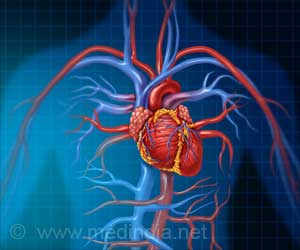
Secondhand smoke exposure and heart rhythm disorder risk: Children exposed to secondhand smoke (passive smoking) are at a higher risk for atrial fibrillation (AFib), reveals a new study.


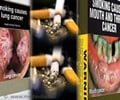
Cigarette Smoking - A Silent Killer-Facts, Passive Smoking & How to Quit
Smoking kills the smoker silently, pushing him towards serious illnesses, which slowly lead to death.
Smoking kills the smoker silently, pushing him towards serious illnesses, which slowly lead to death.
TOP INSIGHT

Children exposed to secondhand smoke (passive smoking) are more likely to develop atrial fibrillation (AFib).
Read More..
Using data from both the original Framingham Heart Study and the Framingham Heart Offspring Studies, the researchers analyzed a total of 5,124 Offspring cohort participants under the age of 18 from 1971 to 2014. Parents were evaluated by a physician every two to four years, and children were evaluated every four to eight years.
Smoking was defined in both studies as participants smoking more than one cigarette daily during the year prior to their study examination. Smoking status was calculated in terms of packs per day, where one pack of cigarettes represented 20 cigarettes and a half pack represented 10 cigarettes. Secondhand smoke exposure was defined as the presence of a parent smoking anything more than zero packs per day.

Dads-to be Should Quit Smoking: Here�s Why
Dads-to-be who smoke are more likely to increase the risk of congenital heart defects in their offspring, reveals a new study.
Dads-to-be who smoke are more likely to increase the risk of congenital heart defects in their offspring, reveals a new study.
Among the Offspring cohort, 14.3 percent of participants developed AFib over a follow-up period of 40.5 years. For each pack per day increase in parental smoking, children had an 18 percent increase in developing AFib.
Passive Smoking
A non smoker who breathes other people's smoke is called passive smoking. It is also called as involuntary or secondhand smoking.
A non smoker who breathes other people's smoke is called passive smoking. It is also called as involuntary or secondhand smoking.
The researchers also found that 17 percent of the children of parents who smoke were more likely themselves to smoke, suggesting another way that parental smoking might predispose children to AFib in the long-term. Previous investigations have also confirmed that a smoking parent increases the likelihood of a child's chance of smoking later in life. Smoking cessation by the parents may lead to a decreased smoking incidence for their children.
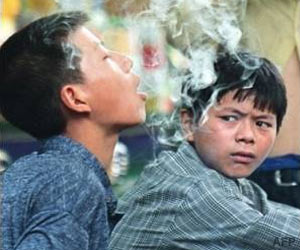
‘Passive Smoking’ or ‘Secondhand Smoke’ Equally Dangerous as Smoking
Many smokers who try to quit smoking are unable to do so because they choose passive smoking as an alternative to avoid direct smoking.
Many smokers who try to quit smoking are unable to do so because they choose passive smoking as an alternative to avoid direct smoking.
The study has several limitations, including a lack of available data for parental smoking status in nearly 45 percent of the Offspring participants, as well as variations in parental smoke exposure among children of separated, divorced, single parents or other smoking family members. The demographic makeup of the Framingham Heart Study is a predominantly white cohort in one geographic area. However, the researchers stressed the importance of continued efforts toward smoking cessation and prevention of smoking initiation.
Source-Eurekalert
 Email
Email