MEDINDIA
 English
 हिन्दी
 Español
 français
 中文
中文
A protein that encourages blood vessel growth especially 'bad' blood vessels has been identified by a team of scientists.


About Brain Tumor
Brain tumors are the abnormal growth of brain cells that may be benign or metastatic. Brain tumors account for about 2.4% of all the tumor diagnosesandare most challenging due to their critically delicate location.
Brain tumors are the abnormal growth of brain cells that may be benign or metastatic. Brain tumors account for about 2.4% of all the tumor diagnosesandare most challenging due to their critically delicate location.
The authors of the study suggest that blocking LRG1's activity is a promising target for future therapy.
Professor John Greenwood, senior author of the research from the UCL Institute of Ophthalmology said: "We have discovered that a secreted protein, LRG1, promotes new blood vessel growth and its inhibition prevents pathological blood vessel growth in ocular disease."
Diabetic Retinopathy - Risk Factors - Symptoms - Treatment - Diagnosis - FAQs
The term ‘diabetic retinopathy’ refers to changes in the retina which often occur in people with diabetes.
The term ‘diabetic retinopathy’ refers to changes in the retina which often occur in people with diabetes.
Angiogenesis is an essential biological process that is required for development, reproduction and the repair of damaged tissues. However angiogenesis also plays a major role in many diseases where new vessel growth can be harmful.

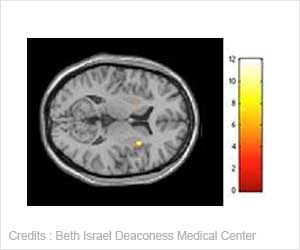
Brain Inflammation Behind �Little House' Character's Blindness
We always thought that Laura Ingalls Wilder's sister Mary, in the Little House on the Prairie Books, lost her sight due to the infamous scarlet fever as mentioned in the book.
We always thought that Laura Ingalls Wilder's sister Mary, in the Little House on the Prairie Books, lost her sight due to the infamous scarlet fever as mentioned in the book.
In previous studies, many signaling molecules have been identified that control angiogenesis, with the secreted protein vascular endothelial growth factor (VEGF) being considered as the master regulator. Therapeutic targeting of VEGF has resulted in improved outcomes in eye diseases with vascular complications and in some cancers but it is clear that additional therapeutic targets need to be identified.
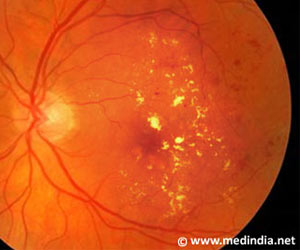
Research Disproves Long-suspected Cause of Blindness from Eye Disease
Lack of very long chain fatty acids in photoreceptor cells caused blindness in children with Stargardt type 3 retinal degeneration, an incurable eye disease.
Lack of very long chain fatty acids in photoreceptor cells caused blindness in children with Stargardt type 3 retinal degeneration, an incurable eye disease.
This study indicates that in the retinal diseases investigated LRG1 production is 'turned on' in blood vessels. This causes a switch in TGF-beta signalling away from a normal vessel maintenance pathway towards a pathway that promotes the growth of new harmful blood vessels.
Professor Stephen Moss, senior author from the UCL Institute of Ophthalmology said: "Genetic studies have revealed that the gene that codes for LRG1 is conserved in vertebrates, and this study confirms that mouse and human blood vessels express LRG1."
"We predict, therefore, that abnormal blood vessel growth is also a conserved process and that the role of LRG1 is equally applicable to human pathological angiogenesis."
He added: "Work is already underway to develop a therapeutic antibody that targets LRG1."
Source-Eurekalert
 Email
Email