MEDINDIA
 English
 हिन्दी
 Español
 français
 中文
中文
Epigenetics show modification of gene expression. New study shows the role of epigenetics and metabolism in cancer development.

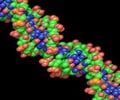
Epigenetics - Molecular Basis of Epigenetics
The molecular basis of epigenetics is a complex phenomenon and involves changes in the switching ‘on’ and ‘off’ of certain genes.
The molecular basis of epigenetics is a complex phenomenon and involves changes in the switching ‘on’ and ‘off’ of certain genes.
TOP INSIGHT

Epigenetics may deliver new therapeutic agents and show fundamental insights of how cancer cells develop.
Epigenetics refers to changes caused by modification of gene expression, rather than alteration of the genetic code itself. It focuses on factors that write and erase such labels and processes that regulate how and when certain genes are turned on and off. In contrast, epigenomics refers to analysis of global epigenetic changes across many genes.
This paper indicates that complementary forces of writers and erasers keep each other in check. If one force overtakes, the system gets out of equilibrium. For the cells this means either unlimited growth, cancer, or death. Researchers argue that once we have a better understanding of epigenetic regulation, scientists can design drugs that counter-regulate these factors.
Recent multiomics data has identified an epigenetic writer, the methyltransferase EZH2, to be hyperactivated in many cancers including melanomas and lymphomas with poor prognosis owing to immune evasion and repression of tumor suppressors, The paper also showed that an epigenetic eraser, a member of the jumonji histone lysine demethylase family, KDM3A, takes on an oncogenic role by activating a network of tumor promoting genes.
A challenge is to identify cancer-specific vulnerabilities in biological pathways that are frequently disrupted under the control of epigenetics. In addition, epigenomic changes also contribute to the ability of tumor cells to escape detection by the human immune system, a concept that cancer immunotherapy tries to leverage.

Novel Epigenetic Test That Helps Diagnose Tumors of Unknown Origin
A newly-developed epigenetic test - called EPICUP - has made it possible to find out what type of primary tumor is responsible for the metastasis in the patient.
A newly-developed epigenetic test - called EPICUP - has made it possible to find out what type of primary tumor is responsible for the metastasis in the patient.
Taken together, precision medicine in combination with cancer systems biology may have the ability to reveal genome- and epigenome-wide alterations and identify molecular pathways suitable for drug targeting:

About Genetic Testing
Genetic testing helps to confirm a genetic condition in an individual and involves q complex laboratory techniques
Genetic testing helps to confirm a genetic condition in an individual and involves q complex laboratory techniques
- Epigenomic master regulators can cause cancer in two ways: too much epigenetic activation can trigger oncogenes; too much epigenetic safeguarding can block tumor suppressor genes. Eventually, both mechanisms promote and progress cancer.
- Epigenomic changes and metabolites, human cellular chemistry, are tightly linked and rely on each other. Metabolites initiate, target, or maintain epigenetics, and vice versa. In addition, there is a strong cooperation of epigenetic factors with the transcriptional complex. Cooperation with metabolites can target, amplify, or mute these coded responses.
"This can become a paradigm for precision targeting in cancer," Filipp said, "where patients with mistuned epigenetics can benefit and epigenetic inhibition can overcome existing therapy resistance in cancer."
Source-Eurekalert
 Email
Email