MEDINDIA
 English
 हिन्दी
 Español
 français
 中文
中文
Researchers can now predict more than 1 million protein interactions, which is a 'big step' moving the goal posts forward in terms of protein interaction networks.
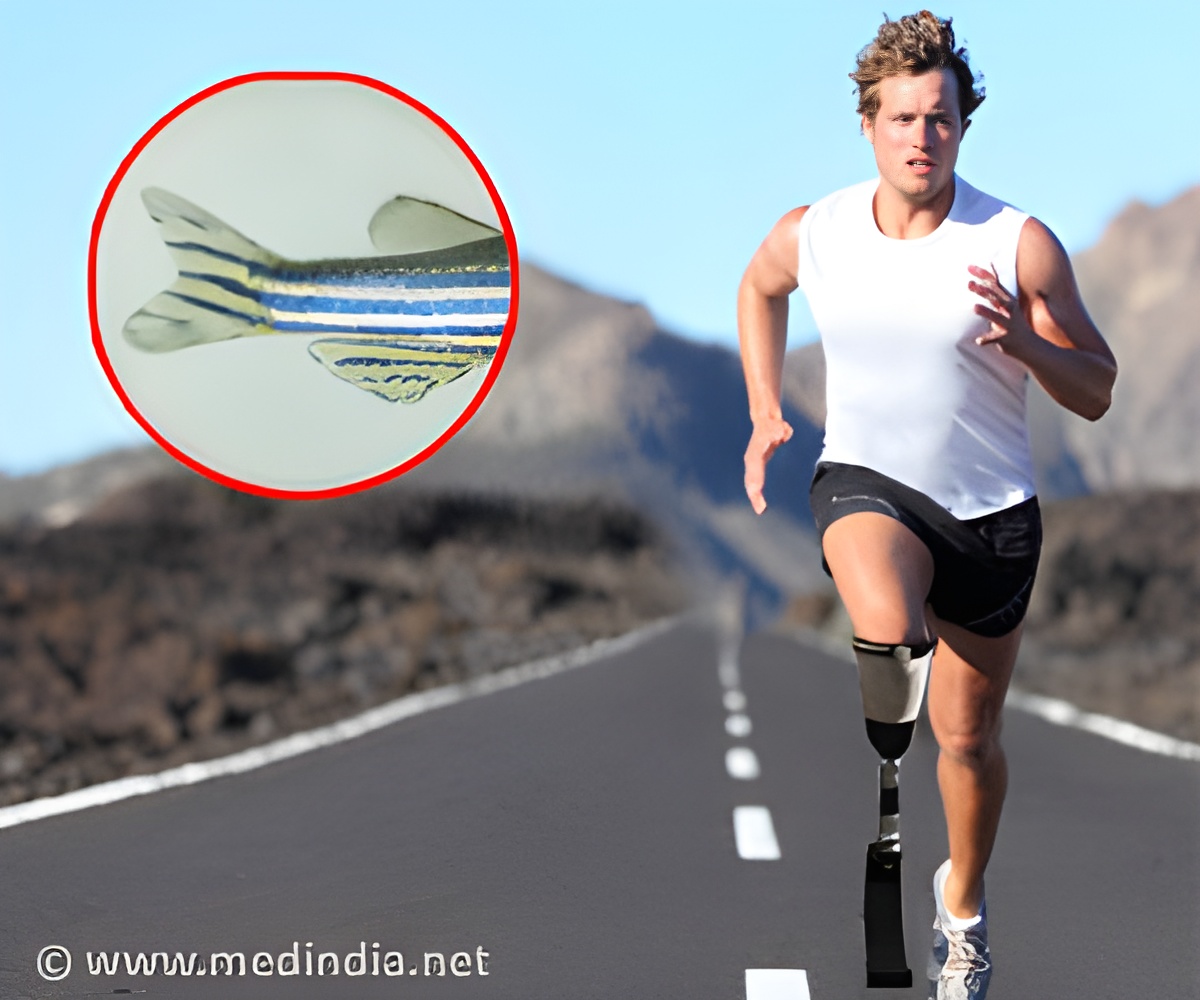
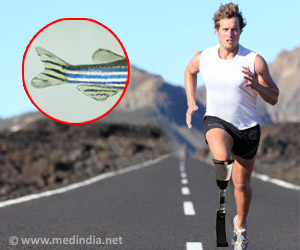
From Fish to Man
Recent discovery sheds new light into the development of hands and feet in humans. Gene called Hoxd13 plays a role.
Recent discovery sheds new light into the development of hands and feet in humans. Gene called Hoxd13 plays a role.
For the study, researchers collected data on the cellular proteins of nine species representing a broad cross-section of the animal kingdom. The species studied included worms, flies, mice, humans, sea urchins, sea anemones, frogs and even slime mold and common baker's yeast.
The researchers said, "We could now predict, with high confidence, more than 1 million protein interactions, which was a 'big step' moving the goal posts forward in terms of protein interaction networks."

Evolution is Unpredictable and Irreversible: University of Pennsylvania Biologists
Using simulations of an evolving protein, experts show that genetic mutations that are accepted by evolution are dependent on mutations that came before.
Using simulations of an evolving protein, experts show that genetic mutations that are accepted by evolution are dependent on mutations that came before.
Source-ANI

Fossil Study Reveals That Human Body Has Gone Through Four Stages of Evolution
The fossils represent the third stage, with tall, wide and robust bodies and an exclusively terrestrial bipedalism, with no evidence of arboreal behaviors.
The fossils represent the third stage, with tall, wide and robust bodies and an exclusively terrestrial bipedalism, with no evidence of arboreal behaviors.
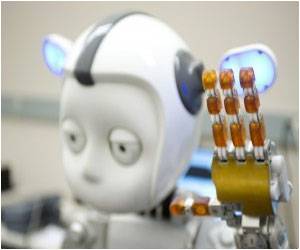
Mass Extinctions can Accelerate Evolution, This Proves to be True in Case of Robots
In computer simulations, the researchers connected neural networks to simulated robotic legs with the goal of evolving a robot that could walk smoothly and stably.
In computer simulations, the researchers connected neural networks to simulated robotic legs with the goal of evolving a robot that could walk smoothly and stably.
 Email
Email