MEDINDIA
 English
 हिन्दी
 Español
 français
 中文
中文
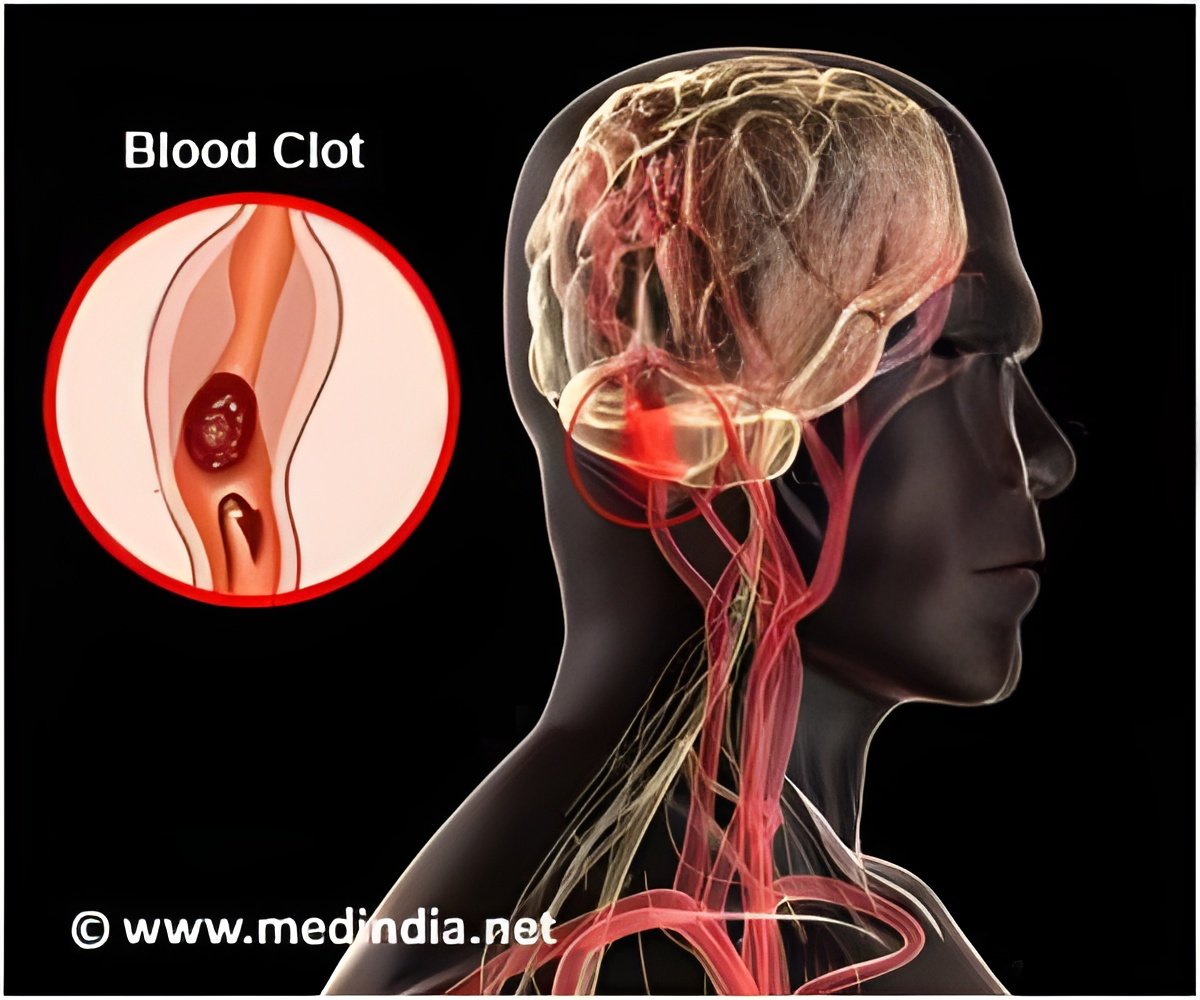
This in-vitro platform permitted quantification and characterization of the pattern and timing of endothelial cell injury with various thrombectomy devices.
Stroke – Early Warning Signs - Risk Factor - Rehab - Treatment
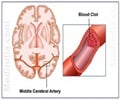
Stroke can cause permanent disability and it is important to recognize its early warning signs to stop its progress. Early warning signs of stroke include sudden weakness of facial muscles.
Stroke can cause permanent disability and it is important to recognize its early warning signs to stop its progress. Early warning signs of stroke include sudden weakness of facial muscles.
The researchers have developed a novel in vitro live-cell platform that allows direct visual characterization of effects and injury patterns to endothelial cells (ECs). Using this they tested various clot-retrieval devices and examined the post-removal effects. Dr. Khalessi said, "We found that the in vitro platform permitted high-resolution quantification and characterization of the pattern and timing of EC injury with various thrombectomy devices and vessel diameters. The devices each displayed different effects." Thereafter, the researchers validated their in vitro findings with in vivo testing.
The findings appear online in Stroke.
How to Deal with a Stroke - Signs - Symptoms - Risk Factors - Prevention
Stroke is a brain attack, which occurs when the blood supply to the brain is interrupted. It affects all age groups; according to the WHO, 15 million people are affected by stroke annually.
Stroke is a brain attack, which occurs when the blood supply to the brain is interrupted. It affects all age groups; according to the WHO, 15 million people are affected by stroke annually.
Low-Dose Aspirin for Primary Prevention of Ischemic Stroke Among Diabetic Patients
Low-dose aspirin therapy was evaluated in a retrospective cohort study to see its effect in the primary prevention of ischemic stroke among patients with diabetes.
Low-dose aspirin therapy was evaluated in a retrospective cohort study to see its effect in the primary prevention of ischemic stroke among patients with diabetes.

Stroke Survivors Need Emotional Support
About 152,000 individuals in England are affected by stroke annually. The repercussions of stroke include both physical disability and emotional stress.
About 152,000 individuals in England are affected by stroke annually. The repercussions of stroke include both physical disability and emotional stress.
 Email
Email