MEDINDIA
 English
 हिन्दी
 Español
 français
 中文
中文
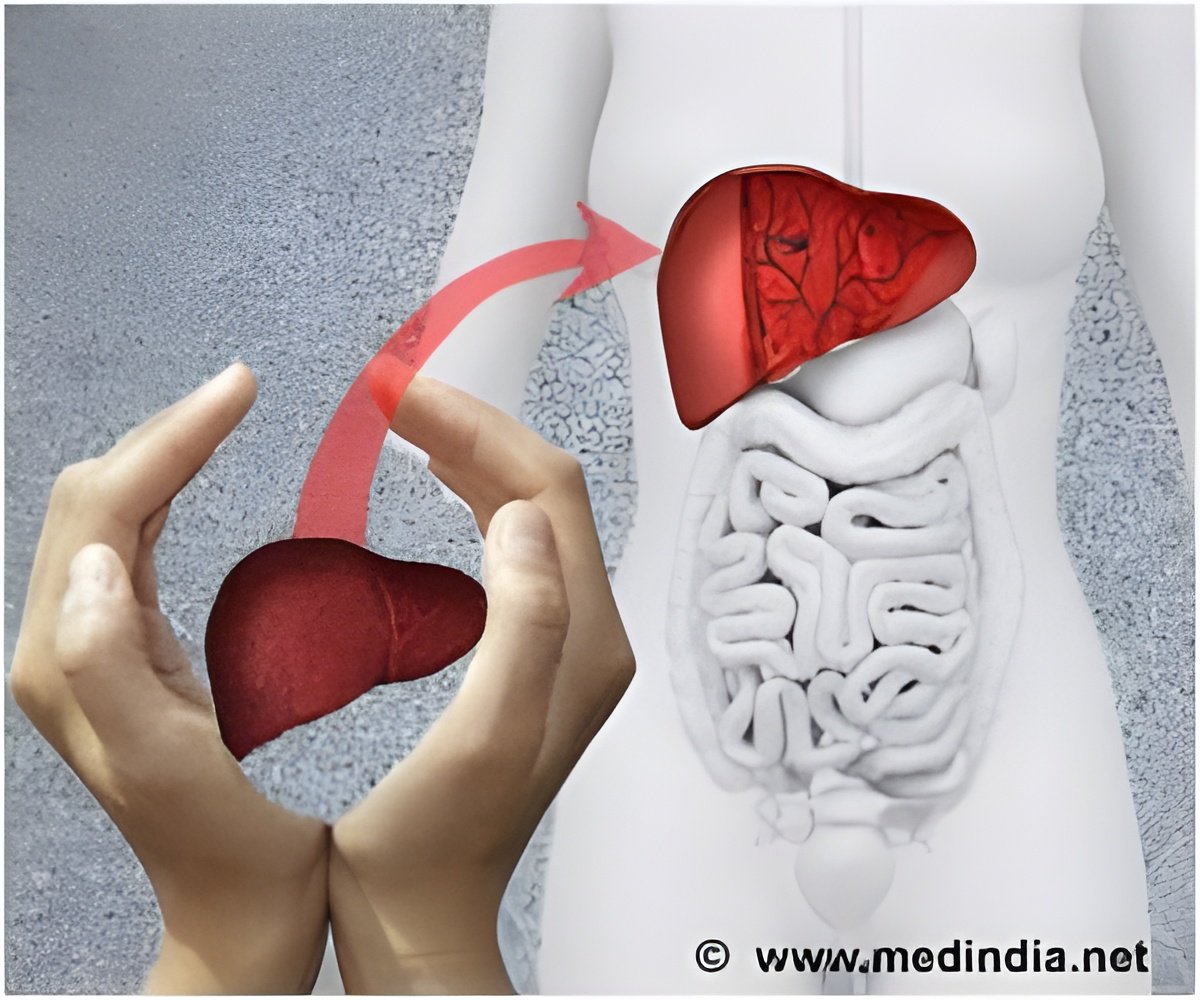
A concerted international effort is needed to confront organ trafficking, the author of new research into the subject has said.
A Second Chance at Life: Tissue and Organ Transplantation
Organ and tissue transplantation can give a second chance at life to thousands of people. Learn more about this interesting procedure.
Organ and tissue transplantation can give a second chance at life to thousands of people. Learn more about this interesting procedure.
"Even in the UK, although the World Health Organization has identified us as a buyer country, we don't know the full extent of it."
The research, published in the journal Transplantation, describes five main reasons why the true extent of organ trafficking is difficult to pinpoint.
Liver Transplantation - Facts, Contraindications, Procedure, Follow up, Complications & Prognosis
Liver transplantation is a surgical option for the treatment of liver failure where the diseased liver is replaced with a healthy one.
Liver transplantation is a surgical option for the treatment of liver failure where the diseased liver is replaced with a healthy one.
• A reluctance by those who give away their organs to talk, because of fear of prosecution.
• No agreement between countries about what penalties should be in place for those who buy organs, and little consistency in enforcing laws.
• The high status of surgeons. Some surgeons perform illegal transplants knowing that they will only be caught if they are reported to regulatory bodies by colleagues.
• The nature of organ trafficking offences means they can span several countries, making tracing organs difficult.
• Insurers play a part in the proliferation of organ trafficking by paying for follow-up treatment to transplant patients.
Bone Marrow Transplantation - Types - Procedure - Indications - Complications
Preferred Term is Hematopoietic stem cell transplantation. In this stem cell from bone marrow are injected into a recipient after treating them with growth factor.
Preferred Term is Hematopoietic stem cell transplantation. In this stem cell from bone marrow are injected into a recipient after treating them with growth factor.
"Countries should follow the example of places like Spain where reporting the recipient of an organ purchased abroad is compulsory if follow-up care is requested."
Dr Manzano added: "If countries do nothing about this problem, the consequences for both donors and recipients can be terrible, as they may have to deal with dreadful health outcomes."
Source-Eurekalert
 Email
Email