MEDINDIA
 English
 हिन्दी
 Español
 français
 中文
中文
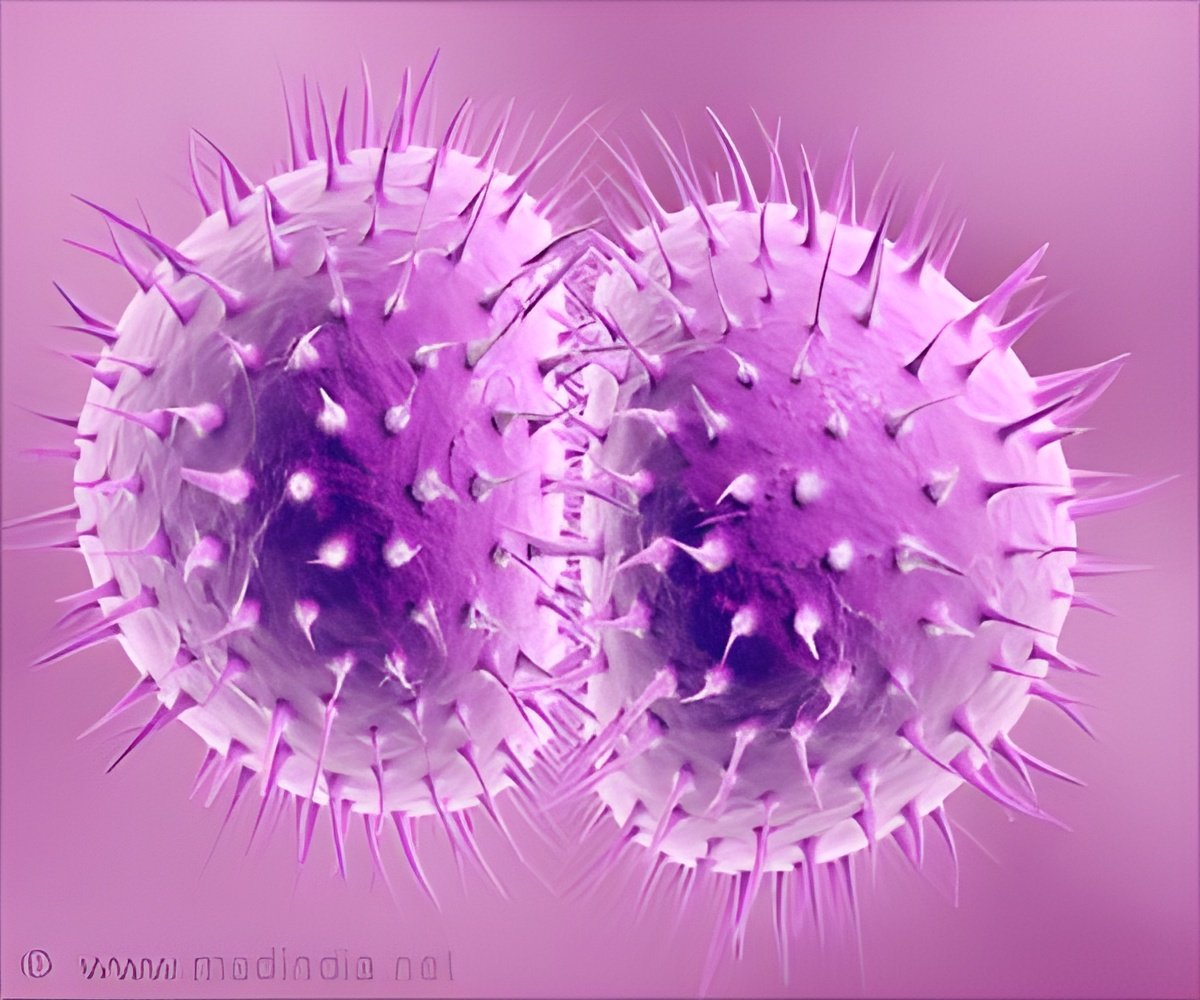
The goal is to develop a commercially useful and effective weapon against bacteria such as methicillin resistant Staphylococcus aureus - better known as MRSA.

Three-Drug Combinations Could Help Counter Antibiotic Resistance
Combinations of three different antibiotics can often overcome bacteria's resistance to antibiotics, revealed a new study.
Combinations of three different antibiotics can often overcome bacteria's resistance to antibiotics, revealed a new study.
TOP INSIGHT

Sam Sanderson, Ph.D., a research associate professor in the UNMC College of Pharmacy, recently secured an R01 grant from the National Institutes of Health to find a workable solution
Dr. Sanderson's research will be based on his previous work with EP67, a small protein, or peptide, he and his collaborators created. The synthetic peptide works by stimulating and enhancing a more robust natural immune response to normal and resistant infections, and potentially other ailments such as cancer.
For the NIH study, Dr. Sanderson and his team will focus specifically on tweaking the molecular structure of EP67 into an even more potent tool against MRSA. Once he has identified potentially effective alternate versions of EP67, they will be tested in animals before compiling larger studies to begin the FDA approval process.
Insight into Antibiotic Resistance and Risks for Infection
More than 29,000 C. difficile-related deaths occur in the United States each year. C. difficile infections are found in hospitals, clinics, nursing homes, etc.
More than 29,000 C. difficile-related deaths occur in the United States each year. C. difficile infections are found in hospitals, clinics, nursing homes, etc.
Dr. Sanderson's startup company, Prommune, already has tested EP67's potential against H1N1, and also is looking at its effectiveness against certain parasitic infections.
Plant Kingdom Provides New Candidates for the Ongoing War on Antibiotic Resistance
Peptides (strings of amino acids) with antibiotic effects on food-spoiling bacteria have been isolated by scientists.
Peptides (strings of amino acids) with antibiotic effects on food-spoiling bacteria have been isolated by scientists.
Earlier this year, Dr. Sanderson teamed with fellow UNMC researcher Joe Vetro, Ph.D., for another R01 grant on a separate project. Funded for $1.75 million, that project will look at EP67-based vaccines against cytomegalovirus or CMV -- a relatively harmless infection in healthy adults, but dangerous to those with a weakened immune system, particularly newborns, infants and the elderly.
Solution for Antibiotic Resistance Could Soon be in the Cards
From 1983 through 2007, the number of new antibiotics approved for use in the US decreased, from 16 at the beginning of that period to only five by its end.
From 1983 through 2007, the number of new antibiotics approved for use in the US decreased, from 16 at the beginning of that period to only five by its end.
 Email
Email