MEDINDIA
 English
 हिन्दी
 Español
 français
 中文
中文
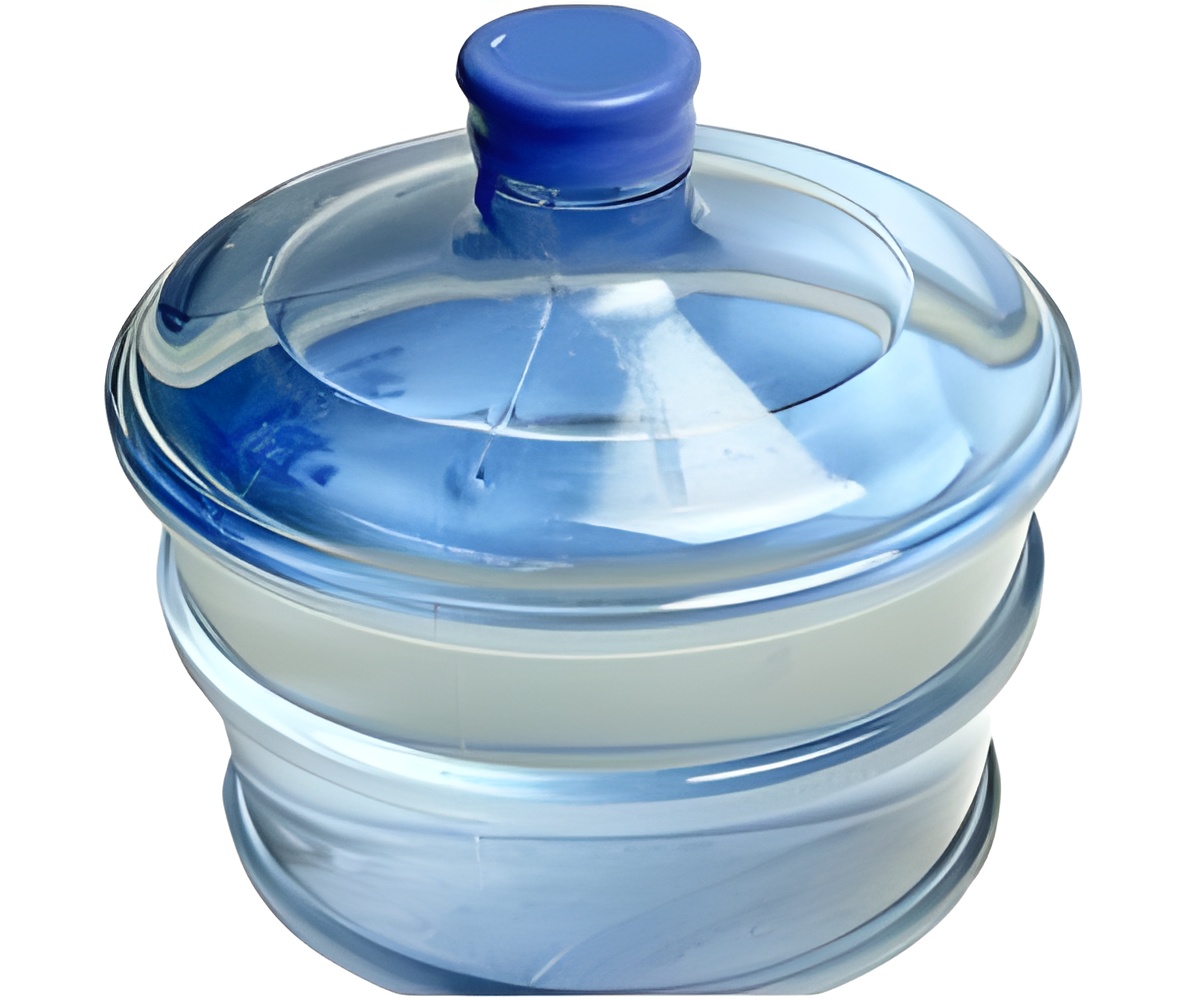
A waste product from making paper could yield a safer, greener alternative to the potentially harmful chemical BPA, which is used in many plastics, researchers have said.

Urine BPA Levels Higher in Individuals Handling Receipts Without Gloves
A new study published in JAMA found that individuals who handled receipts without wearing gloves had an increase in urine BPA levels than those who wore gloves
A new study published in JAMA found that individuals who handled receipts without wearing gloves had an increase in urine BPA levels than those who wore gloves
BPA is the component that gives shatter-proof plastic eyewear and sports equipment their strength.
To find a safer, more environmentally friendly alternative, Reno and her advisor, Richard Wool, Ph.D., who are at the University of Delaware, turned to lignin. They note that papermaking and other wood-pulping processes produce 70 million tons of lignin byproduct each year, 98 percent of which is incinerated to generate small amounts of energy.

Exposure to BPA When in Womb Leads to Defective Testicular Hormone in Boys
Results of a new study suggest that exposure to chemical bisphenol A when in the womb often results in defective testicular hormone in newborn boys with undescended testicles.
Results of a new study suggest that exposure to chemical bisphenol A when in the womb often results in defective testicular hormone in newborn boys with undescended testicles.
And because BGF is made from an existing waste product, Reno believes it will be a viable alternative economically and environmentally. BPA is manufactured from compounds found in oil, a fossil fuel, while BGF's feedstock, lignin, comes from trees, a renewable resource.

Even Low Doses of BPA are Hazardous for Human Health
Low doses of Bisphenol A (BPA) contribute to a large range of health problems such as polycystic ovarian syndrome, behavioural problems, decreased fertility in humans, say researchers.
Low doses of Bisphenol A (BPA) contribute to a large range of health problems such as polycystic ovarian syndrome, behavioural problems, decreased fertility in humans, say researchers.

Greener and Safer Alternative to BPA Developed from Waste Product of Making Paper
Researchers have developed a greener alternative to the potentially harmful chemical BPA by making use of the waste product derived from making paper.
Researchers have developed a greener alternative to the potentially harmful chemical BPA by making use of the waste product derived from making paper.
 Email
Email