MEDINDIA
 English
 हिन्दी
 Español
 français
 中文
中文
Infants with cystic fibrosis who received treatment based on a diagnostic procedure involving obtaining and culturing fluid samples did not have a lower prevalence of lung-damaging infection
Cystic Fibrosis - Symptoms, Causes, Diagnosis, Treatment, Support Groups
Cystic fibrosis is a genetic disease involving the mucus and sweat glands and the medical world has still to find its cure
Cystic fibrosis is a genetic disease involving the mucus and sweat glands and the medical world has still to find its cure
Of 267 infants diagnosed with cystic fibrosis following newborn screening, 170 were enrolled and randomized and 157 completed the study. No statistically significant between-group differences for either of the primary outcomes were detected. P aeruginosa infection diagnosed by BAL culture was detected in 8/79 (10 percent) in the BAL-directed therapy group vs. 9/76 (12 percent) in the standard therapy group. For the outcome of total CF-CT score, data were obtained in 76 children (90 percent) in both study groups. The average total CF-CT scores for the BAL-directed therapy and standard therapy groups were 3.0 percent and 2.8 percent, respectively.
"This study highlights the importance of examining diagnostic and management interventions using appropriately designed randomized controlled trials in a clinical practice setting. BAL-directed therapy provided no clinical, microbiologic, or radiographic advantage and led to an increased risk of predominantly mild adverse events as a direct result of bronchoscopy as well as disadvantages such as the need to fast prior to the procedure, exposure to anesthesia, and potential perioperative anxiety. BAL remains a useful research tool in young, nonexpectorating children with cystic fibrosis. In clinical practice, however, BAL is perhaps best reserved for young children whose conditions are deteriorating despite parenteral [by injection, usually through the veins] antibiotic therapy, when unusual or antibiotic-resistant pathogens, including clonal P aeruginosa strains, are suspected, and to diagnose patients with chronic P aeruginosa infection," the authors conclude.
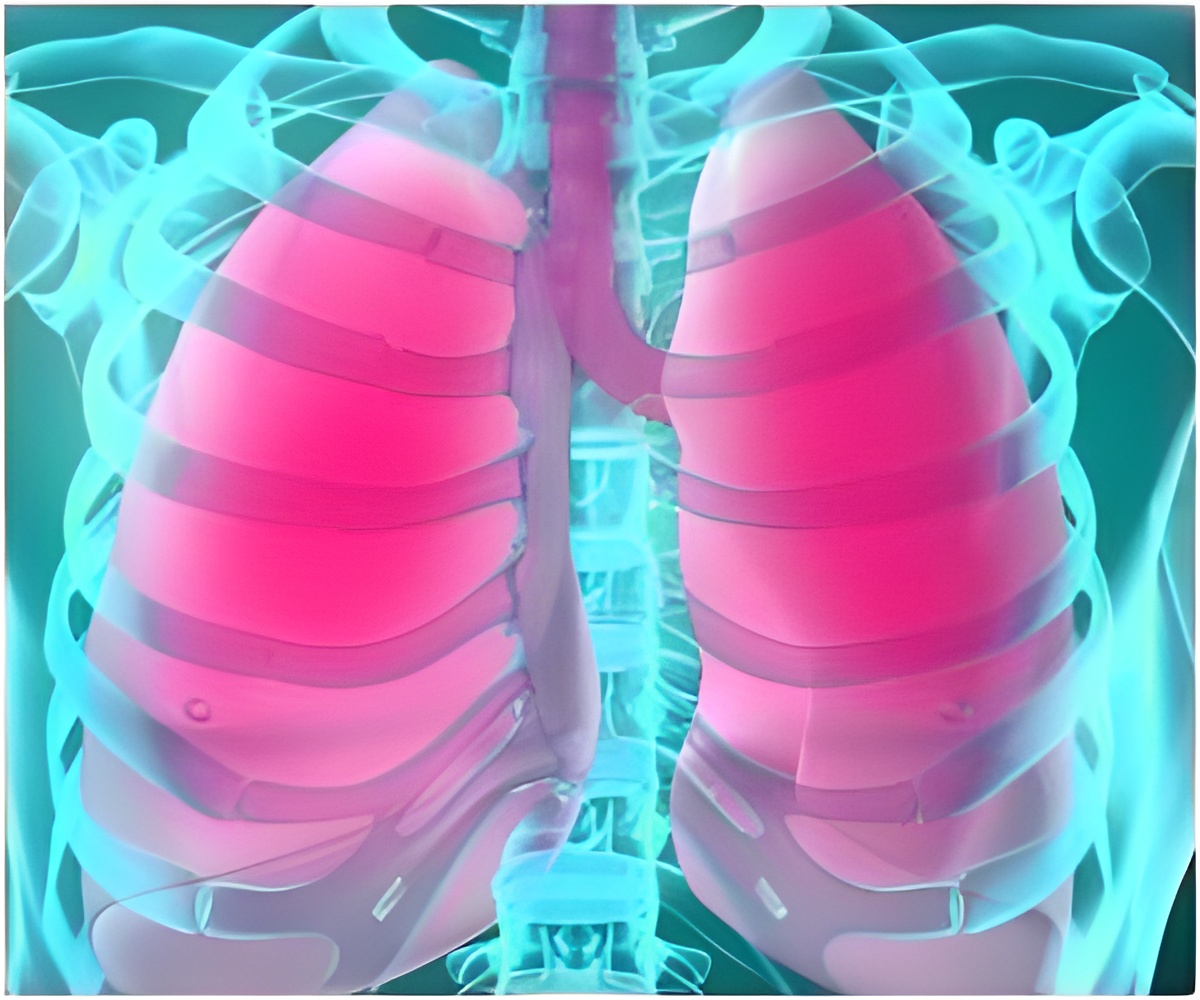
Respiratory Diseases - Diseases of the Human Respiratory System
Respiratory diseases affect any part of the respiratory system. Some of the lung diseases like chronic obstructive pulmonary disease can lead to respiratory failure.
Respiratory diseases affect any part of the respiratory system. Some of the lung diseases like chronic obstructive pulmonary disease can lead to respiratory failure.
Source-Eurekalert

About DNA Fingerprinting
DNA fingerprinting is a technique which helps forensic scientists and legal experts solve crimes, identity thefts, legal suits and terrorism cases.
DNA fingerprinting is a technique which helps forensic scientists and legal experts solve crimes, identity thefts, legal suits and terrorism cases.
 Email
Email