MEDINDIA
 English
 हिन्दी
 Español
 français
 中文
中文
Malnutrition is a huge problem in India. A new study reveals strong geographical clustering among the districts of India, often crossing state borders.
Kwashiorkor | Protein Malnutrition - Causes, Symptoms, Diagnosis, Treatment, Complications and Prevention
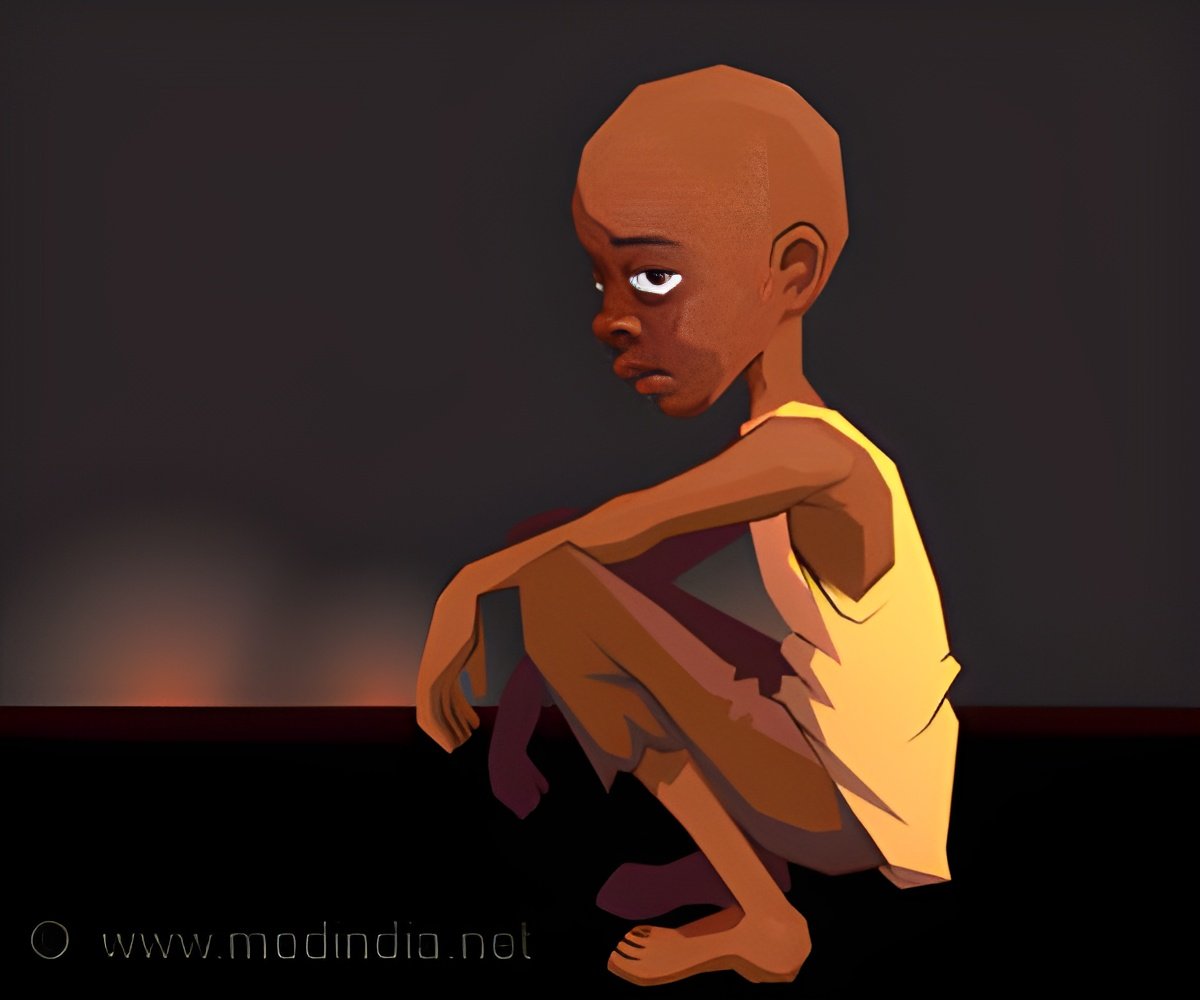
Kwashiorkor is caused by severe protein malnutrition and is characterized by collection of fluid (edema) in the legs and belly. Kwashiorkor can be prevented by consuming a nutritious diet.
Kwashiorkor is caused by severe protein malnutrition and is characterized by collection of fluid (edema) in the legs and belly. Kwashiorkor can be prevented by consuming a nutritious diet.
TOP INSIGHT

Malnutrition is a huge problem in India, with one in five children underweight for their height and approximately two in five children suffering from stunting, which is caused by undernutrition.
"Malnutrition is a humanitarian crisis in India. It poses a huge burden to the affected individuals, communities, as well as society as a whole," says Striessnig. "It also poses an obstacle to development. Children growing up under detrimental living conditions will perform poorly at school and are likely to be less productive later on when they enter the labor force, deteriorating the developmental outlook for the country as a whole."
The study was made possible by new data from the Indian National Family Health Survey, which for the first time included comparable information down to the district level.
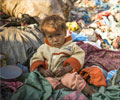
Malnutrition - Causes, Symptoms, Diagnosis, Treatment & Prevention
Malnutrition refers to imbalances in a person’s intake of energy or nutrients and can occur due to an excess consumption of nutrients or a lack of nutrients.
Malnutrition refers to imbalances in a person’s intake of energy or nutrients and can occur due to an excess consumption of nutrients or a lack of nutrients.
To explore the data, the researchers used cluster analysis on a wide range of socio-economic factors. Through this analysis, a pattern of marked spatial clustering among Indian districts emerged. Rather than being evenly spread across states or the nation as a whole, malnutrition is highly concentrated, with districts across most of southern India providing relatively better conditions for growth and improved nutritional status, as compared to districts in the central, particularly rural parts of India along the so-called "tribal belt."
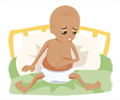
Marasmus | Protein-Energy Malnutrition - Causes, Symptoms, Diagnosis, Treatment and Prevention
Marasmus is a severe potentially life-threatening form of malnutrition caused by a diet deficient in calories and proteins. There is significant wasting of fats, muscles, and tissues of the body leading to a "skin and bones" appearance.
Marasmus is a severe potentially life-threatening form of malnutrition caused by a diet deficient in calories and proteins. There is significant wasting of fats, muscles, and tissues of the body leading to a "skin and bones" appearance.
The new study also finds that childhood malnutrition was correlated with lower levels of maternal education and access to mass media, as well as, unsurprisingly, household poverty and whether the mother was also underweight.

Malnutrition to Obesity - The Big Leap
Obesity is the root cause of problems like diabetes, heart disease, stroke, arthritis and gall bladder disease. A serious look at our strategies is needed to tackle this fast growing epidemic.
Obesity is the root cause of problems like diabetes, heart disease, stroke, arthritis and gall bladder disease. A serious look at our strategies is needed to tackle this fast growing epidemic.
The study could help Indian decision-makers to create more strategic investments to more effectively address the problem at the lower administrative level. "The representatives of political parties should pay more attention to this so that it could help in enriching the sustainable development goals for India," says Bora.
Bora adds, "Policy interventions are often guided towards the state level. But states in India are gigantic, and by looking at states, one might miss substantial sub-state heterogeneity in the living conditions of children growing up, particularly between urban and rural areas."
Source-Eurekalert
 Email
Email