MEDINDIA
 English
 हिन्दी
 Español
 français
 中文
中文
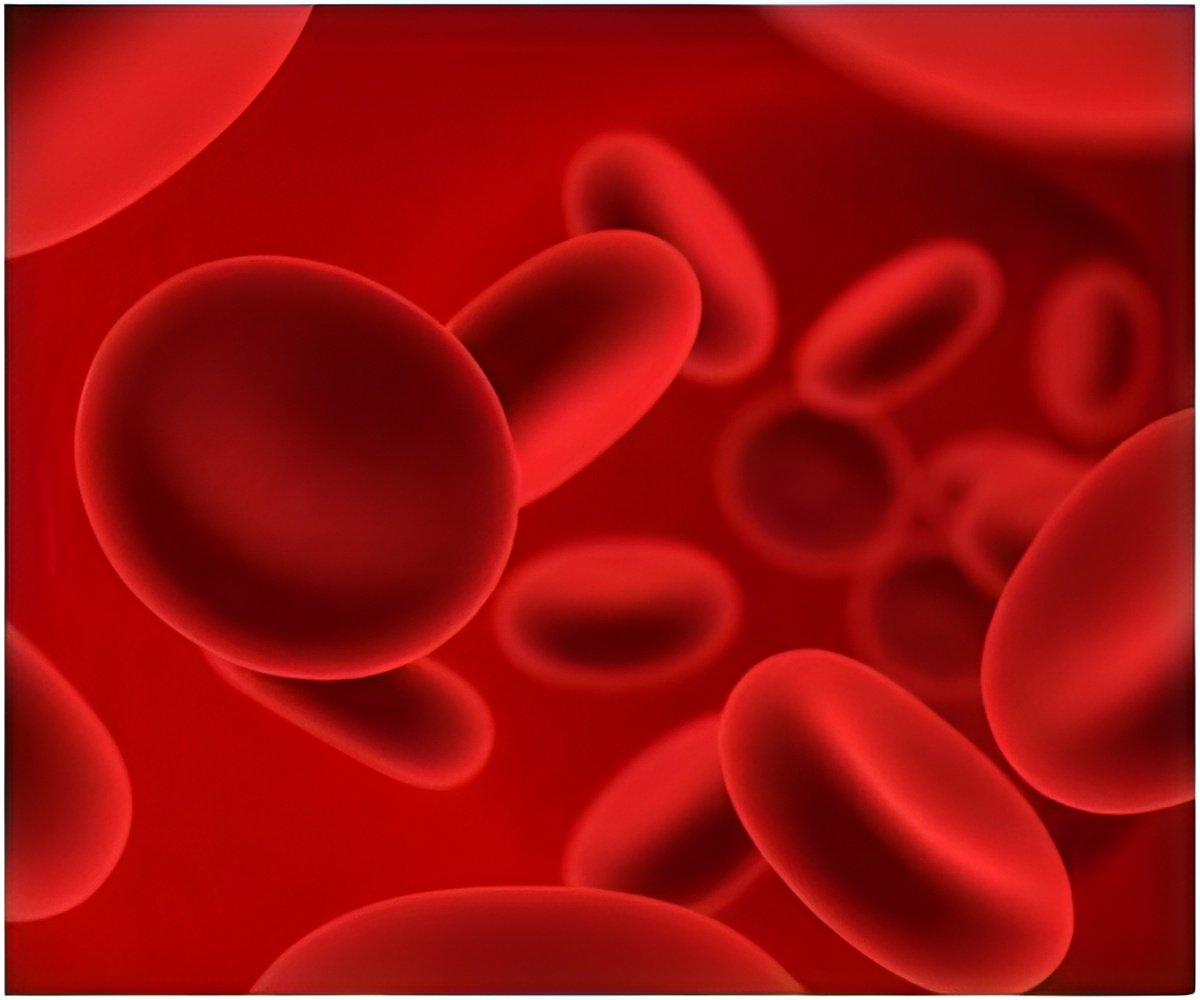
A new geometry that red blood cells assume, when compressed during clot formation has been discovered by University of Pennsylvania scientists.
Leriche Syndrome - Symptoms - Diagnosis - Treatment - FAQs
A patient with Leriche syndrome suffers from claudication symptoms, impotence and decreased pulses in the lower limbs.
A patient with Leriche syndrome suffers from claudication symptoms, impotence and decreased pulses in the lower limbs.
The team also saw the same morphology of compacted clots after initiating clotting with various activators and also with clots formed from human blood reconstituted with its cellular and plasma components and from mouse blood. Such close-packed arrays of polyhedral erythrocytes, or polyhedrocytes as the researchers dubbed them, were also observed in human arterial thrombi taken from patients who had heart attacks. This shape is likely taken on by the red blood cells when contracted or pushed together when the platelets compress a clot so as to decrease volume, surface energy, or bending energy, surmise the authors. Cines notes that these findings might have clinical implications. Physicians need to inject thrombolytic agents such as tPA to rapidly break up thrombi, clots that obstruct blood flow, for example in coronary arteries to treat a heart attack, or in the arteries to the brain to treat a stroke. It is well known that with time thrombi develop resistance to being broken up, which is one reason why early intervention is so important. The nearly impermeable barrier formed by red blood cells within the contracted clots that was observed in the Blood study may help to explain why. Clot contraction could be a target of intervention to prevent the formation of the closely packed array of polyhedrocytes.
Source-Eurekalert

More Effective Anti-Clotting Drugs For Patients With Acute Chest Pain
Currently, medications and artery-clearing procedures are being used for people suffering from coronary syndrome such as heart attack
Currently, medications and artery-clearing procedures are being used for people suffering from coronary syndrome such as heart attack
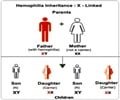
Bleeding Disorders - Symptoms - Causes - Types - Diagnosis - Treatment - FAQs
Bleeding disorder is an acquired or an inherited condition, which is characterized by excessive bleeding in the persons affected by the problem.
Bleeding disorder is an acquired or an inherited condition, which is characterized by excessive bleeding in the persons affected by the problem.

Tick's Spit Leads to Blood Clotting
There really is such a thing as tick spit. That is, the saliva of a tick and there's something about it that might help fight heart disease and stroke.
There really is such a thing as tick spit. That is, the saliva of a tick and there's something about it that might help fight heart disease and stroke.
 Email
Email