MEDINDIA
 English
 हिन्दी
 Español
 français
 中文
中文
Radial pulse wave information reflected changes during menopause that were not evident in systolic or diastolic blood pressure measurements.

Dealing with Menopause Symptoms Through Lifestyle Changes
You can deal with menopause symptoms such as hot flashes, weight gain and forgetfulness by making simple lifestyle changes.
You can deal with menopause symptoms such as hot flashes, weight gain and forgetfulness by making simple lifestyle changes.
TOP INSIGHT

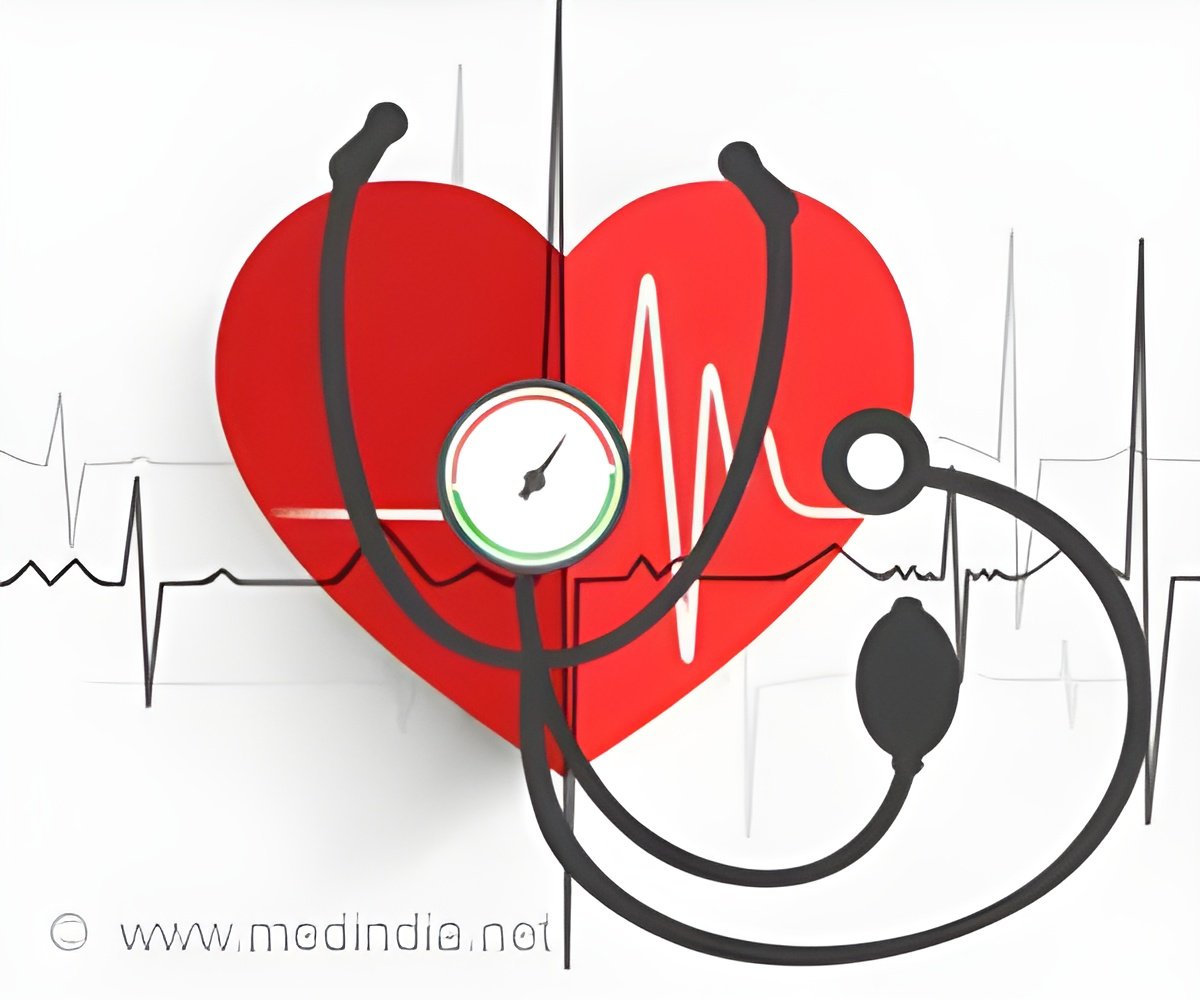
Menopause does not change blood pressure but can increase one's cardiovascular disease risk, as seen in changes in harmonic components of the radial pulse.
They studied 327 premenopausal and postmenopausal women with no history of heart disease, tracking the women's systolic and diastolic blood pressure measurements, as well as 12-second continuous radial pulse data.
"Through mathematical models, we converted the pressure wave of the radial pulse into frequency waves. Each frequency wave was assigned a corresponding harmonic amplitude classification from C1 to C5 which provides different information than pulse rate or blood pressure," said Chi-Wei Chang, Ph.D., the study lead author and director of research and development at the Mii-Ann Medical Research Center in Taipei, Taiwan.

Quiz on Menopause
Menopause is inevitable in a woman’s life and it would be apt to be well prepared for it. Learn more about menopause and the best ways of managing it by going through this quiz.
Menopause is inevitable in a woman’s life and it would be apt to be well prepared for it. Learn more about menopause and the best ways of managing it by going through this quiz.
The researchers found radial pulse wave information reflected changes during menopause that were not evident in systolic or diastolic blood pressure measurements. Specifically, the first and third harmonics -- C1 and C3 -- were impacted. C1 is related to heart attack and heart failure, according to Chang.
Blood Pressure Calculator
Blood pressure readings – what do the numbers mean? Use Medindia’s blood pressure calculator to check whether you blood pressure is at healthy level.
Blood pressure readings – what do the numbers mean? Use Medindia’s blood pressure calculator to check whether you blood pressure is at healthy level.
BMI is the largest factor affecting a woman's blood pressure and risk for hypertension.

Additionally, according to this study, the C1 and C3 harmonics in radial pulse waves may shed light on hormonal changes during menopause that indicate the progression of atherosclerosis, but more work is needed to know for sure, Chang said. This information can be useful in better understanding a woman's cardiovascular disease risk.
"Healthcare providers can measure a menopausal woman's radial pulse to see if the patient's C1 harmonic is affected. If it is, they can monitor a patient's situation more closely and take action to prevent cardiovascular disease from becoming more severe," Chang said.
One of the limitations of the study is this increase in the amplitude of the first and third harmonics of the radial pulse wave only suggests that menopause increases the risk of heart disease by exacerbating atherosclerosis. More research is needed to demonstrate how and why that occurs, Chang said.
Source-Eurekalert
 Email
Email