MEDINDIA
 English
 हिन्दी
 Español
 français
 中文
中文
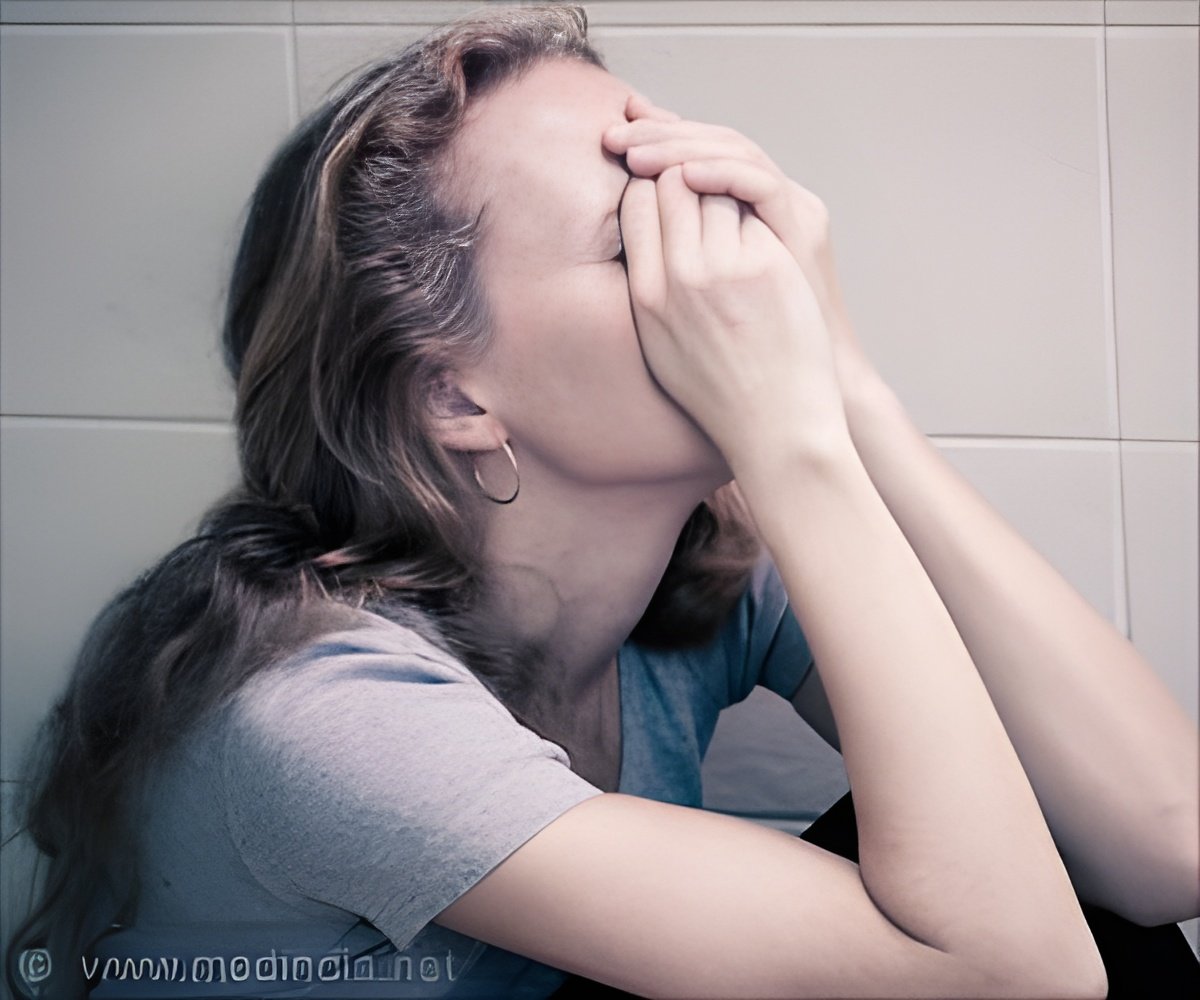
Patients with PTSD exhibit two types of behavior. While some people may remain on high alert to stress and re-live their past traumatic events, others may exhibit a dissociation behavior by avoiding stress and associated memories.

Post Traumatic Stress Disorder (PTSD) - Causes, Symptoms, Risk Factors, Complications, Dignosis, Treatment
Post Traumatic Stress Disorder (PTSD), is a mental condition triggered by a traumatic event. PTSD treatment includes pyschotherapy, behavior therapy and medications.
Post Traumatic Stress Disorder (PTSD), is a mental condition triggered by a traumatic event. PTSD treatment includes pyschotherapy, behavior therapy and medications.
TOP INSIGHT

The new "Reciprocal Inhibition Model" paves the way for novel individual-specific clinical treatments for PTSD. This model may be of particular use where the people have physically-recovered following a trauma, yet are still mentally traumatized.
Read More..
In movies, patients with PTSD are commonly portrayed as people who remain on high alert for threat and who often mentally re-live past traumatic events (similar to the symptoms reported by Stuart, above). While this is often true, paradoxically some patients with PTSD do their best to avoid threat and its associated memories, resulting in a dissociation from reality and a numbing of their emotions (similar to the symptoms reported by Anabelle, above).
In line with these two clusters of symptoms, current clinical diagnostic criteria divide patients into two PTSD subtypes. However, the newly proposed "Reciprocal Inhibition Model" submits that differences between patients with PTSD may not be this black and white, but instead span the whole range of grey in between. It further proposes something not taken into account under current diagnostic criteria- that differences likely occur within individual patients so that each individual does not always consistently experience the same symptoms, but can switch between different states with different symptoms. Indeed, when the two recovered COVID-19 patients described above were further questioned, Stuart confides that he does sometimes find himself "zoning out" and Anabelle admits that she does sometimes find herself replaying her "darkest times with corona", indicating that these patients do sometimes switch between different subsets of symptoms.

Hobbies that Help You Deal with Stress
Stress is a part of everyone's routine life, but too much stress can take a toll on your body and mind. Choosing a hobby may help you relax and improve your mental health.
Stress is a part of everyone's routine life, but too much stress can take a toll on your body and mind. Choosing a hobby may help you relax and improve your mental health.
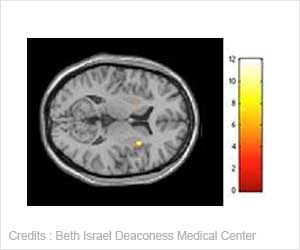
The newly proposed model is called the "Reciprocal Inhibition Model" of PTSD, because, in this model, reciprocal inhibition between two distinct regions of the brain- the amygdala and the ventrolateral prefrontal cortex- is proposed to be what causes individual patients to switch between different states with different symptoms.
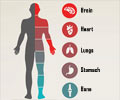
How Does The Body React To Stress
Physical symptoms of stress on the body are varied, ranging from hormonal changes to changes in the nervous system, manifesting as the flight-fight-freeze response.
Physical symptoms of stress on the body are varied, ranging from hormonal changes to changes in the nervous system, manifesting as the flight-fight-freeze response.
Recovered COVID-19 patients, who display these kind of symptoms (such as Stuart, reported above), may be overly spending time in this state. On the other hand, when participants are in a ventrolateral prefrontal cortex dominant state, their attention will be biased away threat causing them to experience relatively more avoidance-related symptoms, such as a dissociation from reality and emotional numbing.

How to Handle Depression and Stress while Going Through a Divorce?
Divorce or breakup can be stressful and cause anxiety, depression and panic. Simple ways can help you deal with depression triggered by loss of marriage.
Divorce or breakup can be stressful and cause anxiety, depression and panic. Simple ways can help you deal with depression triggered by loss of marriage.
In the paper which proposes the Reciprocal Inhibition Model of PTSD, experimental evidence is provided that supports the idea that attention alternates- even within the same individual patient- so that sometimes it is biased towards and sometimes it is biased away from threat. Furthermore, experimental and meta-analysis evidence is provided that supports the predicted relationship between attention and symptoms, and the predicted relationship between amygdala activity and symptoms. Other aspects of this model still need to be tested directly, but are well supported by existing literature.
If individual patients do alternate between states, as predicted in this model, then this has big implications for individual-tailored clinical treatments of PTSD. This is because different clinical treatments for PTSD have been shown to be more or less effective dependent on the amygdala reactivity of the patient (e.g. exposure therapy is less effective when amygdala reactivity is high). Until now, clinicians may have selected treatments for an individual patient with PTSD based on their diagnosed subtype (e.g. amygdala reactivity is thought to be exaggerated in the non-dissociative subtype, so people with this subtype might be less likely to be prescribed exposure therapy). However, if the predictions of the Reciprocal Inhibition Model are true, then this means that different treatments might be more or less effective for the same individual patient with PTSD depending on the state that they are currently in. This may also apply to patients experiencing emotional distress after COVID-19. Quick measurement of the patient's current state (symptoms could be used as a proxy) might inform clinicians of the most appropriate treatment for an individual patient during any given therapy session.
The Reciprocal Inhibition Model of PTSD includes novel proposals about the neural mechanisms that underlie PTSD. Elucidation of such mechanisms is vital if, for the treatment of PTSD, one wishes to use methods such as neurofeedback (where certain regions of the brain, or the way that certain regions of the brain work together, are "retrained") or transcranial magnetic stimulation (where, essentially, magnets are used to induce or decrease activity in targeted regions of the brain). Cutting-edge research shows many benefits from these kinds of treatments, so further studies to confirm the neural mechanistic proposals of this model are imperative.
Source-Eurekalert
 Email
Email