MEDINDIA
 English
 हिन्दी
 Español
 français
 中文
中文
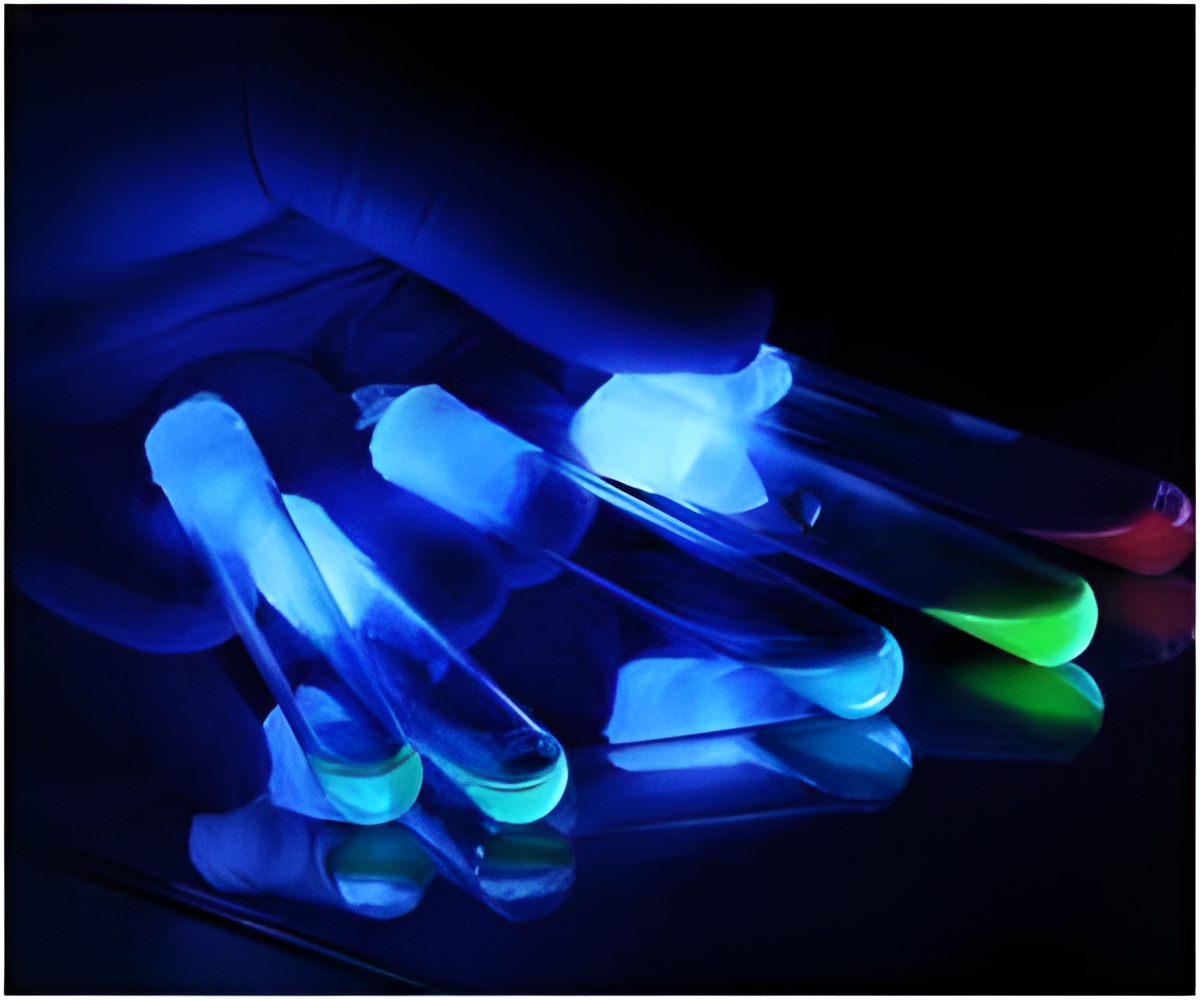
TRV1 protein is found to be critical for controlling body temperature in response to stress hormones like adrenaline.
How Does The Body React To Stress
Physical symptoms of stress on the body are varied, ranging from hormonal changes to changes in the nervous system, manifesting as the flight-fight-freeze response.
Physical symptoms of stress on the body are varied, ranging from hormonal changes to changes in the nervous system, manifesting as the flight-fight-freeze response.
"It sheds a new molecular light on the 'switch' that controls a good part of the body's preparation for "fight or flight" response, first described by Harvard's Walter B. Cannon almost a century ago", said Gerald Weissmann, M.D., Editor-in-Chief of The FASEB Journal.
Source-Eurekalert

Adrenaline may Not Increase Patient's Survival After Cardiac Arrest
New research suggests that giving patients adrenaline after they suffer a cardiac arrest outside of a hospital does not increase their prospects of long-term survival.
New research suggests that giving patients adrenaline after they suffer a cardiac arrest outside of a hospital does not increase their prospects of long-term survival.

Adrenaline Junkies Take the High Diving Plunge In Bosnia
It appears men would go to any extent to experience the adrenaline rush. A daring cliff diving competition draws the Balkan's most daring divers to a deep Bosnian swimming hole every August.
It appears men would go to any extent to experience the adrenaline rush. A daring cliff diving competition draws the Balkan's most daring divers to a deep Bosnian swimming hole every August.
 Email
Email